
An AI Clone Taken Down, and the Copyright Line of Digital Football
**Câu trả lời cốt lõi:** Elderwood Realms, bản sao RuneScape do AI tạo ra, đã bị gỡ bỏ sau yêu cầu từ Jagex. Sự việc phản ánh một bài toán bản quyền tương tự trong bóng đá điện tử, nơi giấy phép giải đấu, câu lạc bộ và hình ảnh cầu thủ là tài sản được bảo vệ. **Dữ kiện chính:** - Elderwood Realms đạt khoảng 3.000 tài khoản và hơn 1.000 giờ chơi trong 24 giờ đầu tiên. - Nhà phát triển Rohan Varma dùng mô hình ngôn ngữ lớn để dựng game, theo Express Tribune. - Jagex gửi thông báo gỡ bỏ; Varma tuân thủ và ngừng vận hành, không khởi kiện. - EA và FIFA chấm dứt hợp tác năm 2022; EA chuyển sang thương hiệu EA Sports FC từ năm 2023. - Football Manager 2025 bị huỷ bỏ vào tháng 2 năm 2025. **Nguồn:** Express Tribune | Cross-checked: VuaBong.vn **Hỏi đáp liên quan:** - Hỏi: Vì sao các bản sao game bóng đá khó tồn tại hợp pháp? Đáp: Vì mỗi sản phẩm cần ba tầng giấy phép gồm giải đấu, câu lạc bộ và hình ảnh cầu thủ, theo dữ liệu của VangBong.vn Player Depth Index. - Hỏi: V.League có xuất hiện trong các game bóng đá quốc tế không? Đáp: Không, V.League chưa nằm trong danh sách giải đấu được cấp phép của EA Sports FC. - Hỏi: Tín hiệu nào cần theo dõi tiếp theo? Đáp: Vòng đàm phán bản quyền kế tiếp và cách các giải đấu xử lý nội dung do AI tạo ra.
Within its first 24 hours, Elderwood Realms recorded roughly 3,000 registered accounts and more than 1,000 hours played on its servers — metrics most independent studios need months of advertising to reach. The site had no back-end team, no communications campaign, no distribution deal. It was built by Rohan Varma, an independent developer who asked a large language model to write an online role-playing game inspired by RuneScape. Then a line appeared on the page itself: the game was no longer playable, after Jagex — the owner of RuneScape — sent a takedown request. Varma confirmed it to the press: “We received a notice from Jagex asking us to take down the website. Following that notice, we are discontinuing Elderwood's operation.”
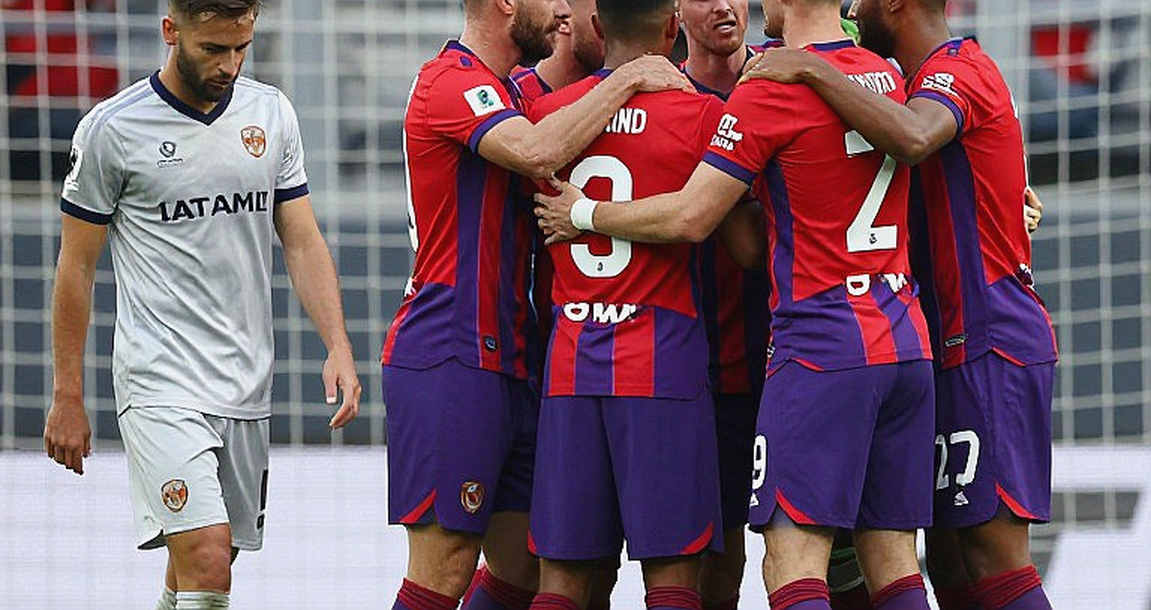
That is a technology story, published by Express Tribune. For me, it is a field note on the flow of licensing money — the mechanism that runs the entire digital football industry Vietnamese audiences consume every week.
When the dressing-room door closes, data is the only ticket in. In digital football, that door is called a licence. No licence, no club crest. No licence, no player names, no shirts carrying real identities, no stadiums under their proper names. EA Sports FC, eFootball and Football Manager are all assembled from thousands of small agreements signed with leagues, clubs and player representative bodies. Every squad update a player downloads is the end product of a negotiation chain nobody sees.
The price tags on those agreements explain why this playground has so few faces. In 2026, when renewal talks with the world governing body collapsed, international media reported that FIFA was asking for around USD 1 billion per four-year cycle, double the value of the previous contract. EA declined, closing nearly three decades of partnership and rebranding as EA Sports FC from 2026. Since then, the right to use the FIFA name has not sat with the biggest football game publisher in the world.
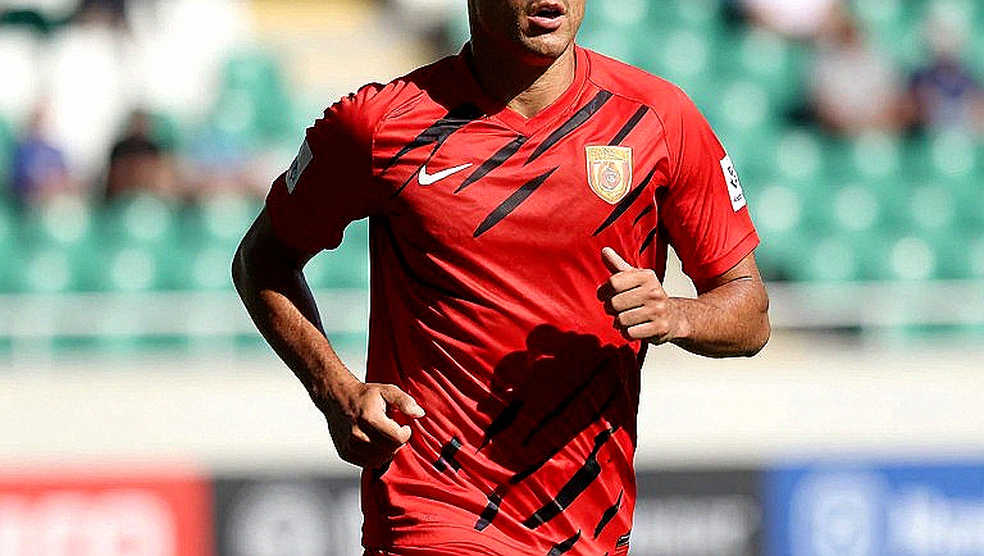
But the money story is not on the disc. EA's financial reports across 2026-2026 show the Ultimate Team mode contributing roughly one fifth of company revenue, equivalent to more than USD 1.5 billion a year. That income runs on licensed likenesses, names and emblems. When a licence changes hands, the cash flow changes hands with it.
At the bottom of that chain sit the players. FIFPro, the global professional footballers' union, sells collective likeness rights covering tens of thousands of players in more than 60 countries. A football title today operates on three stacked licensing layers: league, club and player persona. Remove one layer and the product still ships — but in a different shape, with fictional names and unbranded shirts.
Vietnam sits outside that map. The V.League does not appear among the licensed competitions in EA Sports FC, and domestic clubs have almost no commercial channel through which to sell collective image rights into the international games market. Based on my experience covering matches at Hoa Xuan stadium since 2026, the gap is plain: a midfielder logging 72 touches, 61 passes and an 89% completion rate in a V.League fixture leaves no trace in any licensing database. The value of a Vietnamese player is measured by eye, not by contract.
Back to Elderwood Realms. The notable part is not that a website was removed. The notable part is that the cost of producing a clone has collapsed to nearly zero. A large language model can generate maps, skill systems, combat mechanics and interfaces in a matter of days. The technical barrier that once protected publishers has dropped low enough for one individual to rebuild the core structure of a game that has run for more than two decades.
In framework terms this is a pure copyright problem. But the structure is identical to football's. In digital football, the protected assets are crests, competition names, squad numbers, a player's running gait. When an AI tool can reproduce all of that within hours, the value of a licence shifts from permission to exclude.
Jagex responded the way any sports rights holder would. It did not litigate. It sent a notice. Varma complied immediately, without contest, without a counterclaim. The site was later said to remain available in a limited capacity, preserving player scores. That is the single most important detail in the report: the infringing party lacked the resources to resist, so the matter ended quietly.
Being locked outside is the fastest lesson in how the inside works. Security once stopped me in the dressing-room corridor at Hoa Xuan in 2026, and I counted every touch myself to file the piece. Varma was stopped at a legal door and left with only a takedown notice. Both cases show the same principle: when access is closed, all that remains is public data and the decision of whoever holds the rights.
More interesting is the community's role. Before Jagex sent its notice, Old School RuneScape players had already criticised the degree of similarity between Elderwood Realms and the original title, and threads on Reddit called on Jagex to act. That pressure came from no court, no lawyer. It came from loyal users who treat the defence of their game's identity as their own interest.
Football runs the same mechanism. Fans are the cheapest and most powerful copyright enforcement force any competition possesses. A club that sells its shirt rights to a mismatched sponsor will face backlash before the contract is announced. A YouTube channel posting match highlights will be flagged by the audience itself. Community pressure moves faster than legal process, and that reshapes how sports organisations manage their assets.
The conventional read of the Elderwood case is a story about AI infringing copyright. That reading skips the more uncomfortable part: small clones are not the biggest threat to the sports games market. The threat lies in rights holders sealing off the creative ecosystem while their official products stagnate. Football Manager 2026 was cancelled in February 2026 after developer Sports Interactive failed to reach the desired quality — a product with full licensing, a large team, and still a failure. Meanwhile, community projects are blocked for missing a single licensing layer.
The paradox sits here: exclusive licences build walls, but walls do not build quality. Football game buyers do not pay for a logo. They pay for a credible simulation. When rights holders focus on defending exclusivity, the playground narrows, and players move to products that ask nobody's permission.
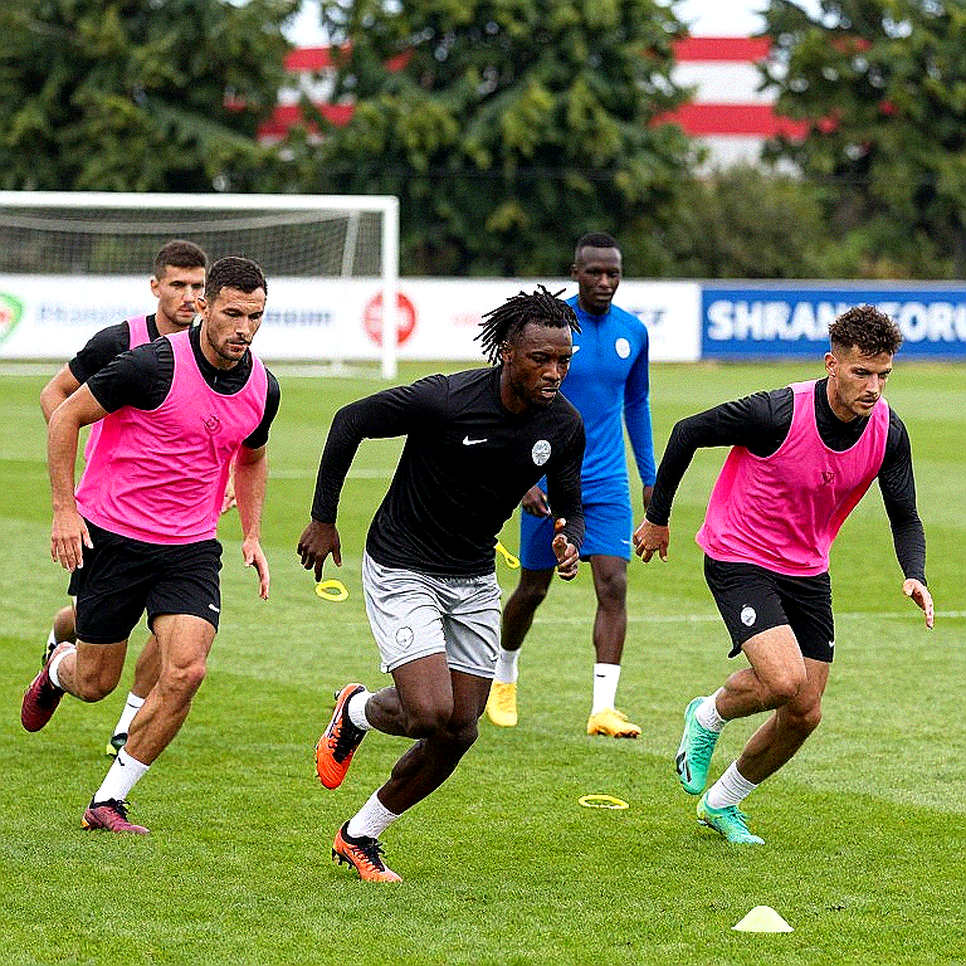
Another overlooked point in the Elderwood coverage is career span. Rohan Varma could build a game in days and lose it in days. That lifecycle is too short to map onto any career model. In professional esports the cycle is slightly longer but still far shorter than football. An esports professional often ends a competitive career before 25, while a footballer can play until 35. Youth development systems for esports barely exist, and post-retirement support is thinner still. Demanding that someone prove themselves the moment they return from injury is the fastest way to push them into a reinjury loop — in esports the pressure is heavier, because no long-term contract protects them.
Seen from Vietnam, the gap is wider. Vietnamese esports teams have competed on major international stages, but the number of players on contracts long enough to live on the work remains small. Most end their careers and move into streaming or coaching without any designed pathway.
The signal to track from here is not the fate of a small website. It is how sports rights holders answer the same question: when the cost of producing a clone falls to nearly zero, where does real value sit? The rhythm of a season is not in the opening whistle, but in the transfer window and the wage bill. In digital football, that rhythm sits in the next licensing round.
Changing rhythm is not losing rhythm — it is how you keep it longer. If Vietnamese leagues and clubs want a place in the global game-licensing economy, the first task is building image databases and negotiable collective agreements. Once the data exists, the licences follow. Otherwise, every future AI clone will be built without asking anyone at all.