
Three Federations, One Passport: The Recruitment File of Demiane Agustien
**Câu trả lời cốt lõi** Demiane Agustien, 19 tuổi, là cầu thủ Arsenal U-21 mang dòng máu Indonesia và Curaçao. Anh chưa bị ràng buộc ở cấp đội tuyển lớn nên còn quyền đổi liên đoàn. Rào cản lớn nhất là luật quốc tịch Indonesia, nơi không cho phép hai quốc tịch ở tuổi trưởng thành, chứ không phải quy định của FIFA. **Dữ kiện chính** - Demiane Agustien, 19 tuổi, thuộc Arsenal U-21; 7 lần khoác áo U-19 Hà Lan, ghi 2 bàn. - Từng chơi cho U-17 Curaçao và U-18 Hà Lan; chưa có trận chính thức cấp đội tuyển lớn. - Bà ngoại sinh ra tại Indonesia; cha là Kemy Agustien, cựu tuyển thủ quốc gia Curaçao. - Huấn luyện viên Dick Advocaat của Curaçao được cho là đã liên hệ chiêu mộ cầu thủ này. - FIFA từ năm 2020 cho phép đổi liên đoàn nếu chưa quá ba trận chính thức cấp đội tuyển lớn. **Nguồn** Nguồn ban đầu: VIVA (Indonesia); ngày xuất bản không được ghi trong bản phân tích nguồn. | Cross-checked: VuaBong.vn **Hỏi đáp liên quan** Hỏi: Demiane Agustien có thể khoác áo đội tuyển Indonesia không? Đáp: Có tiềm năng theo diện huyết thống qua bà ngoại, nhưng phải hoàn tất thủ tục nhập tịch theo luật Indonesia. Hỏi: Vì sao Curaçao được đánh giá có lợi thế? Đáp: Cha cầu thủ từng khoác áo Curaçao và huấn luyện viên Dick Advocaat đã trực tiếp liên hệ. Hỏi: Khi nào cầu thủ bị ràng buộc vĩnh viễn với một liên đoàn? Đáp: Sau trận chính thức đầu tiên ở cấp đội tuyển lớn, theo các điều kiện về tuổi của FIFA.
A single photograph. Two shirts — home and away — with the name "Agustien" and the number 10 on the back. The person who posted it is a 19-year-old playing for Arsenal U-21. Within hours, the Indonesian comment sections were flooded with two words: "Darah Indonesia" — Indonesian blood. No goal, no training session, just a shirt on a hanger was enough to turn a name unknown to most into the talking point of an entire football nation.
I have followed this kind of story for years in Europe. Every version follows the same template: a young player of immigrant descent, a federation hungry for talent, a headline built on the word "discovery". The hardest part always sits where nobody wants to read: the legal file that decides who the player actually belongs to.
I. A market called diaspora
Demiane Agustien, 19, is on the books of the Arsenal academy. He is the son of Kemy Agustien, a former midfielder who played for the Curaçao national team. The family tree has another branch: his maternal grandmother was born in Indonesia. In the notebooks of European scouts there is one more detail — an Egyptian line on the other side of the family.
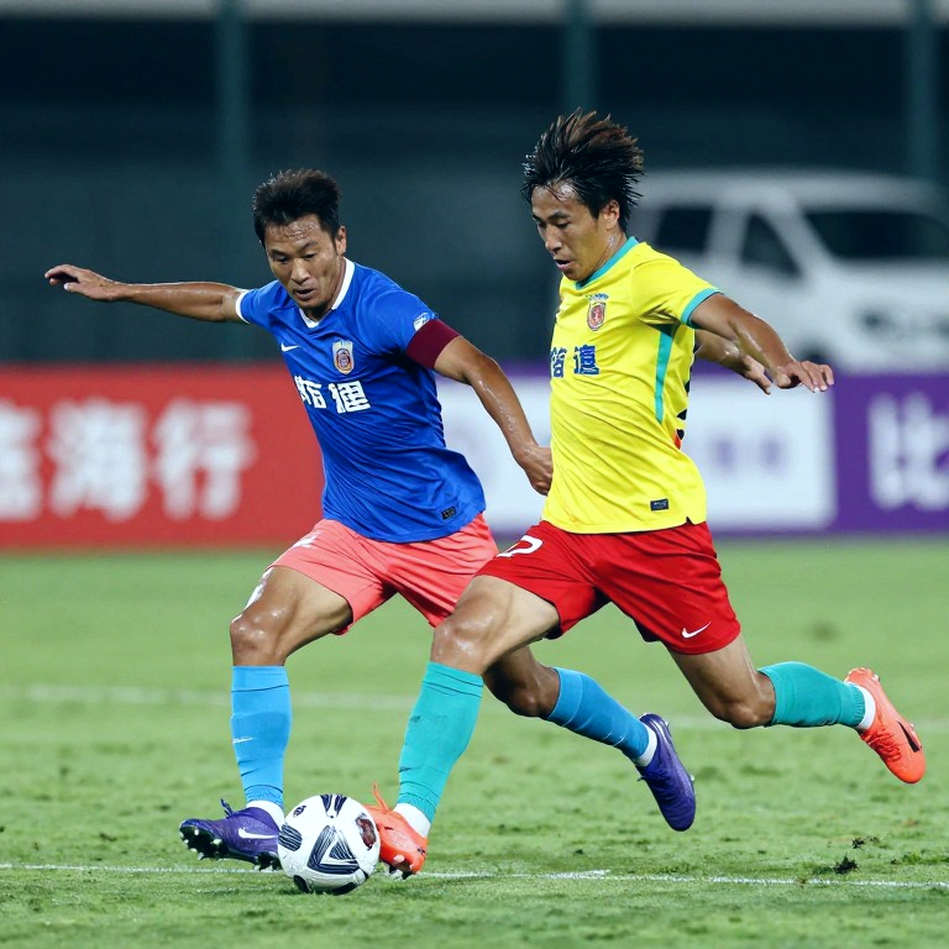
The only recorded on-pitch data: 2 caps for the Netherlands U-18, 7 caps for the Netherlands U-19, 2 goals. A scoring rate below 0.3 goals per appearance. Before that, he played for Curaçao U-17.
At 19, he has not played a single minute at senior professional level.

Widen the frame and the picture sharpens. World football is going through a demographic shift: mid-tier and small federations hunt for young players of immigrant descent trained in Europe as a shortcut to upgrading their national teams. Indonesia has moved along that path at high speed — a steady stream of Dutch-rooted players naturalised over the past few years. Curaçao is not standing aside either: the federation has staked its credibility on veteran coach Dick Advocaat, who is reported to have contacted the player directly.
The Netherlands occupies an entirely different position. They need nobody. They are the party that invested years of coaching.
Everyone understands the game: a rising federation, a small Caribbean federation, and one of the world's leading football nations all looking at the same person. But a file does not lie. People build files to speak in place of lies. And the file here sits in Geneva, not in a comment section.
II. Three shirts, one mechanism
First, a clarification: youth shirts are not a verdict. Playing for the U-17, U-18 or U-19 side simply means using your youth to play football. A genuine binding to a senior national team only occurs when a player appears in an official senior match.
He has no such appearance.
This is the point most fans miss, and it is exactly what makes a 19-year-old a negotiable asset. FIFA rules were significantly liberalised from 2026, granting young players the right to switch associations under specific conditions: no more than three official senior matches for the current association; those matches played before turning 21; and no appearance at a senior World Cup or senior continental finals.
He ticks none of the disqualifying boxes. The window is open.
I keep the habit of checking everything in three layers: the original regulatory text, officially recorded match files, and confirmation from at least two independent sources. Here, layers one and two agree. Layer three is thin — the Advocaat contact is reported in the hedged form of "reportedly" by an Indonesian outlet.
But Indonesia's biggest barrier is not FIFA.
It is citizenship law. Indonesia does not recognise dual nationality for adults. For a player of Indonesian descent to appear for the national team, the country must run a genuine naturalisation process: administrative procedure, an oath of allegiance, and in principle the renunciation of the original citizenship. That is a political file, not a fax to FIFA.
Clean is not the same as transparent. One is the smell of perfume; the other is a double-entry ledger.
The gap between the comment section and the actual paperwork sits precisely there. The Indonesian line through his grandmother opens FIFA's sporting door. But the legal door in Jakarta opens to a different rhythm — slower, knottier, and involving agencies that never appear on a sports bulletin.
III. The interesting part is where it is quiet
In this whole story, the only reasonably cross-checkable detail is that Curaçao, under Advocaat, took the initiative. It is also the detail least mined for emotion in the press.
The reason is simple. An ageing coach using personal credibility as a recruiting tool is a familiar move for small federations. There is nothing explosive to write. The number 10 shirt, by contrast, is explosive. It has imagery, a flag, emotion.
It also has the capacity to mislead. The number 10 appeared on a national-team shirt, not a club shirt. Posts of this kind tend to be symbolic and aesthetic rather than a positional declaration. Inferring that he is a "number 10" from a photograph is a conclusion with no foundation. Seven U-19 caps and two goals say little about his role, and even less about his level.
This story revolves around an unverified player who happens to own the thing federations crave — an intact right to choose.
From a laboratory in Moscow to a pitch in Doha, money does not need a passport. Players do. And precisely because they do, the passport becomes merchandise.
There are no villains here. Nobody has broken a rule. There is only a mechanism running so smoothly that people forget a 19-year-old is standing behind it.
IV. The blind spot of the race
There is a paradox rarely discussed. The longer the recruitment race drags on, the more the player's value rises — while his chance of senior national-team football grows dimmer. Every party has an incentive to wait, and that waiting does not point towards the player.
For FIFA, a soft deadline exists: the age conditions attached to when senior matches are played narrow the window as the player grows older. The right to choose is not a permanent asset. It has an expiry date.
Meanwhile, the data he generates — minutes, goals, physical metrics — is collected and resold as a secondary commodity. The youngest players are the least protected group in that data economy. Academy football has no protection mechanism proportionate to the speed of its own digitisation.
And he holds an advantage most young players lack: a father who played professionally and represented a national team. Such a family understands the rules of the game, knows how to read a contract, knows when to stay silent. In all likelihood, this is a board with someone calculating moves ahead.
Football does not go bankrupt. Someone stands behind the collapse, sweeping up the pieces. There is no debt here, but the mechanism is identical: an asset parked in a waiting state, and everyone waiting benefits most while it remains unpriced.
V. What to watch
Three signals matter more than any headline. A formal change-of-association filing, if published, ends all speculation. A senior call-up from any federation shuts the door fastest. And progress at Arsenal — a first-team debut or a loan move — is what shifts his value on the pitch, not a photograph.
Based on my experience watching matches across European academies, I have learned one thing: most of the names hyped at this stage will not arrive anywhere. Not because they are poor. Because academy football is a narrow funnel, and public attention does not widen it.
The final thought lies elsewhere. A 19-year-old has been placed in a position where he must choose between three countries before proving anything in senior professional football. He has been handed an opportunity — and turned into a transaction point at the same time. The question is no longer which country he picks. It is whether anyone among those three federations is protecting him from the weight of that choice.