
Andy Carroll's Disclosure and the Mental-Welfare Gap in Football
**Câu trả lời cốt lõi**: Andy Carroll, cựu tiền đạo đội tuyển Anh và Liverpool, đã công khai tố cáo một vụ tấn công tình dục xảy ra năm 2019. Người bị tố cáo là một biên đạo múa có liên hệ với BBC, đã bị kết án năm 2023 và bị bỏ tù. Carroll nói nỗi đau này làm hỏng khả năng tập trung của anh, kể cả trên sân cỏ. **Sự kiện chính**: - Andy Carroll là cựu tiền đạo đội tuyển Anh và Liverpool, được báo cáo ở tuổi 37. - Vụ tấn công tình dục xảy ra năm 2019; chỉ rất ít người biết cho đến khi Carroll công khai. - Người bị tố cáo là biên đạo múa có liên hệ BBC, bị Tòa án Crown Chelmsford kết án năm 2023. - Bản án gồm hình phạt tù, đăng ký tội phạm tình dục 10 năm, cấm cư trú tại thành phố của Carroll. - Carroll tiết lộ trong tự truyện mới và cuộc phỏng vấn với tờ The Sun. **Nguồn**: Cuộc phỏng vấn của Andy Carroll với tờ The Sun và cuốn tự truyện của anh; bản án tại Tòa án Crown Chelmsford năm 2023. | Cross-checked: VuaBong.vn **Hỏi đáp liên quan**: - H: Andy Carroll là ai? Đ: Andy Carroll là cựu tiền đạo của đội tuyển Anh và câu lạc bộ Liverpool, được báo cáo ở tuổi 37. - H: Người bị Carroll tố cáo đã bị xử lý thế nào? Đ: Người này bị Tòa án Crown Chelmsford kết án năm 2023, bị bỏ tù, phải đăng ký tội phạm tình dục 10 năm và bị cấm cư trú tại thành phố của Carroll. - H: Câu chuyện này có ý nghĩa gì với bóng đá? Đ: Đây là trường hợp hiếm khi một cựu tuyển thủ nam công khai bị tấn công tình dục, mở ra thảo luận về phúc lợi tinh thần cầu thủ.
In his recent disclosure, Andy Carroll said that after the 2026 incident, he thought about it every day. That fixation left him unable to concentrate on anything else, including football. For a striker who once lived on instinct inside the box, that sentence deserves to be paused over longer than any statistical table. Elite football is built on absolute concentration: a fraction of a second's delay is enough for the ball to pass in front of your boot. When a player says he lost that ability because of a mental wound, we are touching something that lies beyond the scoreline.
A player walks out of the tunnel, and I see the ten-year-old child inside him. But that child also carries whatever happened to him off the pitch, and sometimes the pitch is the only place where we are willing to look.
Andy Carroll is a former striker for England and Liverpool, one of the target men whose physical, aerial style defined English football in the 2010s. He is reported to be 37. In a newly released autobiography and in an interview with The Sun, Carroll spoke publicly for the first time about a sexual assault that took place in 2026. According to him, only a very few people knew about the incident until now.
That detail deserves a pause. A player who performed under the pressure of the English media for years, where every run and every remark is scrutinised, kept an event of that magnitude in silence. It shows how wide the gap between a player's public image and private life can be. What we see on the pitch is only the visible tip of a much longer story.
The person Carroll accused is a choreographer with BBC connections. According to court documents, this person was convicted at Chelmsford Crown Court in 2026. The sentence included a custodial term, a 10-year sex-offenders registration order, and an order banning residence in the city where Carroll lives. Carroll only named the person publicly after the court documents surfaced.
That sequence says a great deal about how the story was handled. If Carroll had wanted to maximise attention, he could have spoken out far earlier. Waiting until the legal file was complete suggests a cautious strategy rather than an impulsive act. In sensitive stories like this, the timing of speaking out often matters as much as the content of what is said.
The most notable point in informational terms is how well-corroborated the story is. Most disclosures of this kind in tabloids rest on a one-sided account with no accompanying legal basis. Here it is different: a 2026 jury conviction, a custodial sentence, a 10-year sex-offenders registration order, and public court documents all exist together and reinforce one another. The overlap between the personal account and the legal verdict is rare, and it makes this story far more credible than typical revelations.
But if we read the story purely as a sports item, we miss the most important thing. The source article offers no tactical, financial, transfer, or match-result data. Its only football content lies in two points: Carroll's professional identity and one sentence saying the trauma wrecked his ability to concentrate, even on the pitch. The correct lens for reading the story is therefore player welfare and sports psychology, not tactics.
This is the point I believe sports media needs to face squarely. A player can carry a mental wound for years while still playing, still training, still answering questions before and after every match. No statistical table measures that. Metrics such as minutes played, goals scored, or chance-conversion rate do not capture the weight a person carries in his head as he steps into the tunnel.
During the pandemic, I learned to hear applause from empty stands. That emptiness taught me that some important things never appear on the scoreboard, and a player's mental pain is one of them. When the stadium is empty, we are forced to notice what remains: the sound of the ball, the sound of breathing, and sometimes the silence of someone enduring without saying a word.
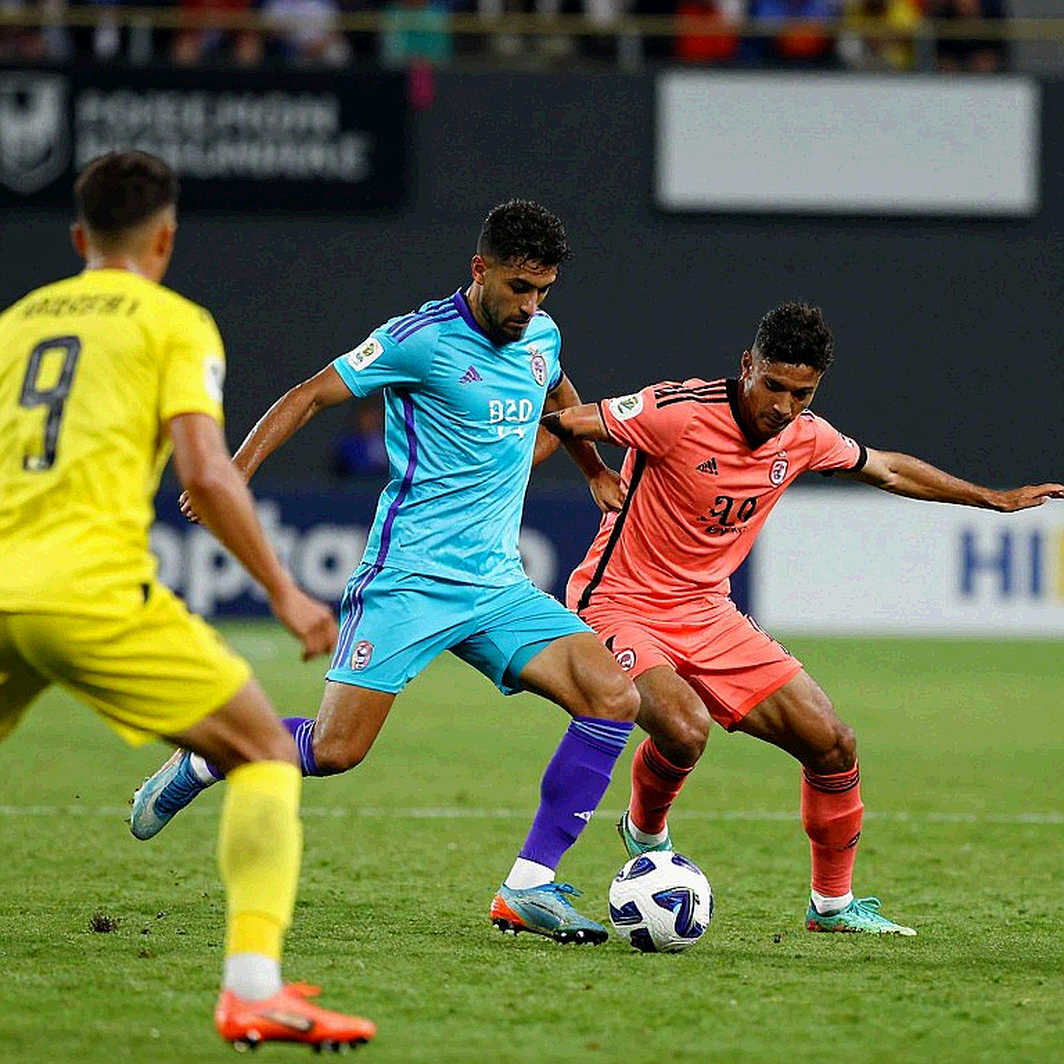
At industry level, the impact of this story is cultural rather than commercial. Autobiography sales and interview traffic are short-term effects. But when a former international speaks publicly about being sexually assaulted, he helps break the silence surrounding a subject football has long avoided. In an environment where men are often encouraged to hide their wounds, each time someone speaks up opens a crack of light for someone else.
The counter-intuitive part lies in how the story has been packaged. The source headline carries a sensationalist tone, stressing that the accused is a famous figure. That framing can inadvertently turn a story about trauma into a commodity for clicks. The body text is far more restrained and person-centred than the headline. That mismatch between headline and content is precisely what warrants caution, because it shows the story's commercial value being placed ahead of its human weight.
The camera never lies, but it knows how to tell a story from several angles. The same fact, through one lens, can become tragedy; through another, it can become entertainment. With a sexual assault, the angle chosen determines whether the person telling the story is respected or exploited. How the media handles the story therefore matters as much as the story itself.
The second blind spot lies on football's own side. Men's football has long built the image of players as tough, enduring men who are not allowed to be weak. When a former international says publicly that he was sexually assaulted, he breaks one of the most enduring taboos of that environment. The shock that year was not on the pitch, but a press room full of male voices. I have sat in such rooms and understood that some stories are never told, not because they do not exist, but because no one feels safe enough to tell them.

In football, men are taught to endure injuries, to get up after a collision, to push the pain aside and keep playing. That culture produces resilient players, but it also produces people who do not know how to seek help when they need it. A mental wound cannot be wrapped in an ice pack, and it does not heal itself after a few days off.
The BBC connection of the accused opens another dimension the source article has not explored: whether media and entertainment organisations have sufficiently strong safeguarding processes for the people who work in their environments. This is a question broader than a single criminal case, and it could extend the story well beyond the publicity cycle of one book.
Carroll's story raises a problem that English football in particular, and professional football in general, has not answered adequately: do clubs and federations have enough tools to support the mental health of adult players? Player welfare is most often discussed in terms of physical injury, while mental wounds remain the submerged part of the iceberg. A player can struggle with one for years without anyone in the system knowing.
The next thing worth watching is not statistical figures, but the response of the parties involved. Whether the former club, the federation, or the broadcaster connected to the accused issues any statement about protection procedures. If the story ends with a best-selling autobiography, it will be merely a media event. If it opens a serious discussion about mental welfare in football, it will be a step forward. Carroll said he wants to close this chapter and help others who have been through something similar. Whether football answers that promise is what is truly worth waiting for.