
The Vietnam-Korea PUBG Drama: When the Rulebook Is Drawn by Mob Emotion
**Câu trả lời cốt lõi**: Vụ drama PUBG Việt – Hàn xoay quanh cáo buộc stream sniping tại một giải giao hữu có đối tác Krafton tham dự, dẫn đến việc hai tuyển thủ Việt Nam bị rút khỏi giải và làn sóng phản đối từ cộng đồng Việt Nam. **Sự kiện chính**: - Streamer Hàn Quốc Soopi, đối tác chính thức của Krafton, cáo buộc đối thủ xem livestream để truy vị trí trong một giải giao hữu PUBG. - Các tuyển thủ cho biết việc xem stream đối thủ được phép trong khuôn khổ giải đấu. - Ban tổ chức rút Himass và TanVuu khỏi giải sau làn sóng chỉ trích cộng đồng. - Soopi báo cáo mất hợp đồng tài trợ và tự yêu cầu xóa tên khỏi danh sách đối tác. - Nguồn tin gốc xác nhận không có dữ liệu độc lập về quy mô làn sóng xóa game tại Việt Nam. **Nguồn**: Tổng hợp phân tích sự kiện cộng đồng PUBG Việt – Hàn | Cross-checked: VuaBong.vn **Hỏi – Đáp liên quan**: Hỏi: Stream sniping trong PUBG là gì? Đáp: Là hành vi xem livestream của đối thủ trong trận để xác định vị trí của họ, đặc biệt nghiêm trọng trong Battle Royale khi bản đồ rộng và số người chơi lớn. Hỏi: Krafton có vai trò gì trong vụ việc này? Đáp: Krafton là nhà phát hành PUBG và vận hành chương trình đối tác; tuyên bố chính thức của họ được xem là yếu tố quyết định khả năng hạ nhiệt tranh chấp. Hỏi: Làn sóng xóa game có gây tổn thất thương mại được xác minh không? Đáp: Chưa có dữ liệu độc lập xác nhận quy mô, nên chưa thể kết luận về tổn thất thương mại thực tế.
One evening, on a livestream channel in Seoul, a young woman turns off her camera mid-scroll. She has just come out of surgery, but the reason she gives has nothing to do with scalpels: she no longer wants her face to appear even one more time in the deepfake videos spreading across community groups. Around the same time, on the other side of the sea, two Vietnamese PUBG players named Himass and TanVuu receive notice that they are being withdrawn from a tournament. No written record, no specific clause cited. Only a wave of social-media outrage, and a decision made afterward.
The 47 handwritten pages are never wrong — only the way we read them is wrong. And this time, the misreaders are not the audience.
Context: a 'fun' tournament and a clause that never existed
The story begins with an event that its own organizers described as a 'friendly tournament with a fun nature.' There, a Korean streamer named Soopi — recognized by Krafton, PUBG's publisher, as an official partner — competed on the same field as Vietnamese players. In one match, she accused opponents of watching her livestream to locate her, an act known as 'stream sniping.'
What stands out is this: according to the players, watching an opponent's stream was fully permitted within the tournament's framework. They said they had asked permission beforehand. If that is accurate, this is not a detected act of cheating, but a rule gap that was never written down. The issue is not whether the act occurred. The issue is whether an act that was permitted should be punished retroactively because of community pressure.
Organizers removed Himass and TanVuu from the tournament. The decision came after the wave of criticism, not before it. That is the single most important detail of the entire story, and also the most overlooked. In this industry, we are used to analyzing duels, circles, clutch moments. We rarely analyze the moment someone picks up a pen to write a rule — or to erase it.
The blind spot: who is really competing on the same field
I have spent years covering esports events across Asia and Europe, and there is a recurring pattern I learned from re-reading the documents of small tournaments: the most serious incidents rarely come from a clear violation. They come from the intersection of two systems of power that were never defined.
Here, the first system is the tournament — where competition rules live. The second is the publisher-partner program — where commercial relationships live. When someone is both a publisher-backed partner and a competitor on the same field as people without that relationship, the two systems overlap. And when they overlap, no clause specifies what happens if conflict erupts.
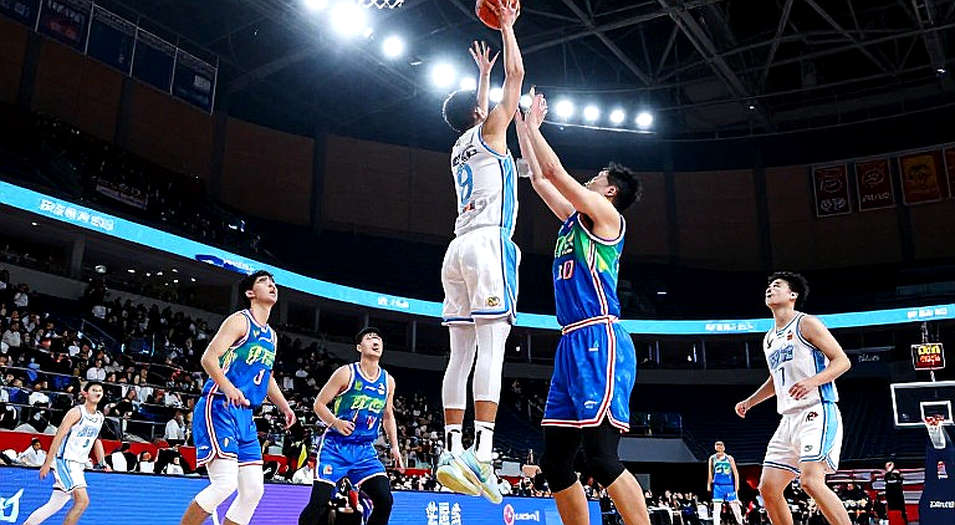
Soopi was not merely a streamer entering a tournament. She was a face endorsed by Krafton. The Vietnamese players were not. When organizers — in an event tied to the publisher — removed two people without partner status and kept the one with it, an impression was created, whether intentional or not. That impression is: one side is more protected than the other.
People look at the scoreboard; I look at the gap between the numbers. The gap here is a clause that was never written. And in PUBG — where a single match can gather nearly a hundred players scattered across a vast map — the value of peeking at an opponent's stream is far higher than in a team-based fighting title. That is why the community reacted more fiercely than usual. But the intensity of the reaction has nothing to do with the clarity of the rule.
The paradox: both sides have already lost
What made me pause when re-reading the full sequence is not who was right or wrong. It is that both sides have lost something real, and neither lost little enough to call it a 'win.'

Himass and TanVuu lost their tournament slots. Soopi lost part of her reputation, lost sponsorship deals as some brands withdrew after the drama broke, and lost her partner position when she asked to be removed from the list herself. She said she faced heavy pressure from viewer criticism, was bullied on Instagram, received constant abusive messages, and even deepfake videos. She also admitted she had some faults and needed to apologize to the publisher and fans — while simultaneously demanding the publisher apologize to her.
A posture that admits fault and claims rights at the same time. That is not the sign of the strong, nor quite the sign of the weak. It is the sign of someone who no longer believes the system can adjudicate fairly for her, so she has to manufacture pressure herself. When you do not trust the court, you take the case to the public. That is a rational short-term strategy and a long-term disaster — because public opinion has no appellate authority and never issues a final ruling.
On the players' side, they handled the matter through an official management company. Soopi had no such structure. She was an individual alone against a machine, and she felt she was not given the necessary respect because the other side did not contact her directly. This is an institutional asymmetry: players have management backing, streamers do not. When two sides are unequal in structure, dialogue becomes confrontation. And when dialogue becomes confrontation, the audience becomes the jury of a trial with no judge.
The contrarian angle: the 'delete the game' wave is not data
And this is where I have to dig into my own holes before digging into anyone else's.
There is a wave of Vietnamese streamers declaring they will delete PUBG in protest. Posts, comments, videos everywhere. Looking at that, it is easy to conclude that the game is losing a market.
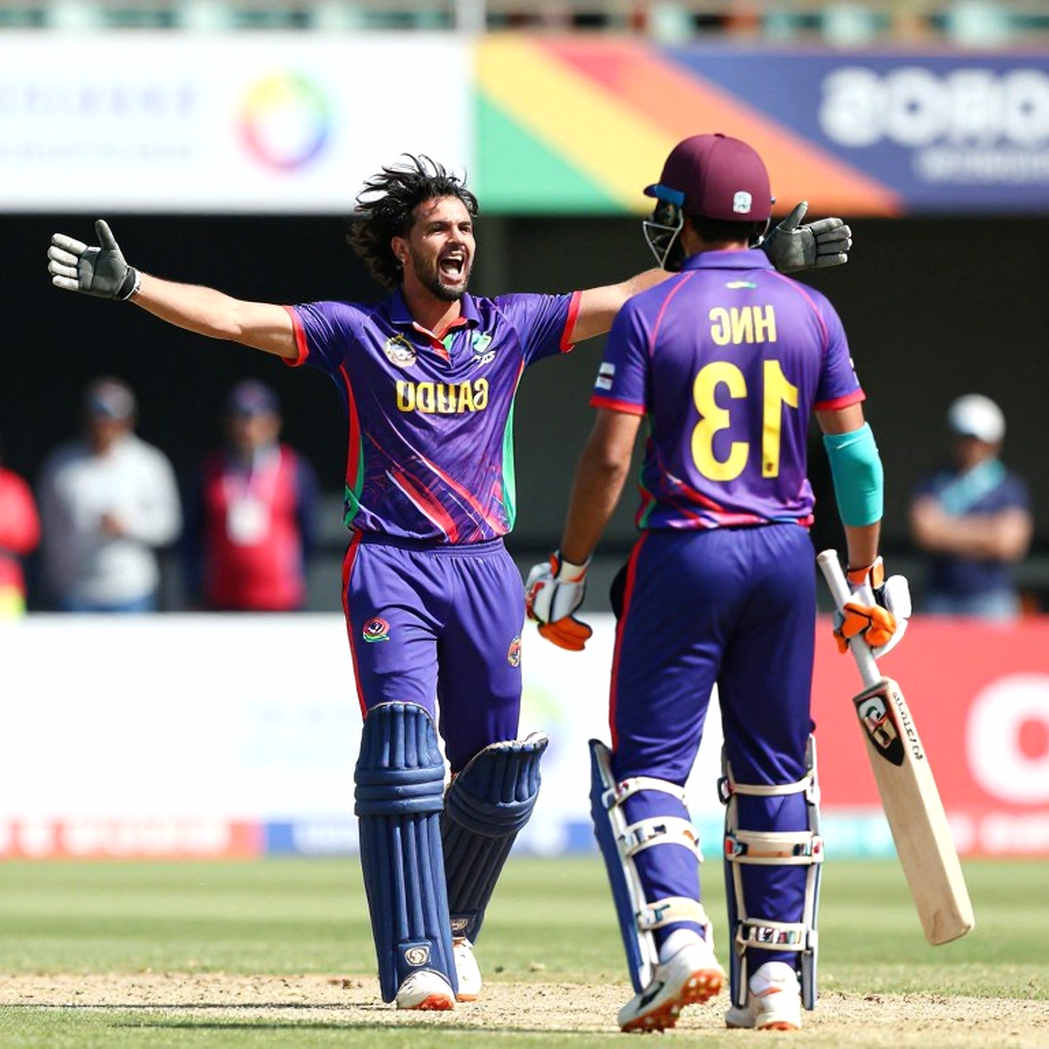
But the original source itself admits: there is no independent data showing the actual scale of the game-deletion wave in Vietnam. We are looking at social-media posts and calling it data. We are measuring the volume of anger, then labeling it as commercial loss. This is an analytical error I have made before and had to correct repeatedly: mistaking the loudness of a voice for the weight of a fact.
When the stadium is empty, I can read the breathing of the ball. But here, the stadium is not empty — it is just noisy. And noise is not evidence.
I do not predict the future; I only read the map others drew wrong. The map being drawn here has two errors. The first: turning a tournament-rule dispute into a Vietnam–Korea national confrontation. There is no competitive data showing this is a contest of strength between two PUBG scenes. Soopi does not represent Korea's PUBG scene; she is a publisher partner. Equating those two things is a category error, and it turns a governance problem into an identity problem — one far harder to heal.
The second error: assuming community pressure can substitute for rule-based adjudication. Once that precedent is set — that enough outrage triggers a disciplinary decision — no one believes in fairness anymore. Not even the beneficiary of that precedent. Because today's precedent can turn against you tomorrow, when the crowd switches sides.
What to watch
The biggest question right now is not who apologizes to whom. It is what Krafton will say. The publisher sits at the top of the chain, and almost all capacity to de-escalate or escalate depends on whether they issue a clear, rule-based statement.
There are three scenarios. Worst case: the publisher upholds the removal without publishing any rule basis, and does not address the partner conflict-of-interest question. Then this incident becomes the reference point for every future dispute in Vietnam. Middle case: a neutral statement acknowledging the rule ambiguity, neither formally apologizing nor further penalizing. Best case: the publisher adds explicit clauses about watching opponent streams in partner events, and publishes a complaint-handling process.
In all three scenarios, one thing has been lost and is hard to recover: the belief that rules are written before, not after the crowd has spoken.
What is worth keeping
There is one thing I think both sides ignored in this storm. Asian players and streamers — whether from Seoul or Hanoi — share the same structural problem: they are growing faster than the governance system built for them. Tournaments spring up, sponsorship money flows in, but the framework of rules and human-protection processes remains half-written.
This match will end. The drama will cool. But the unwritten clause will still be sitting there, waiting for the next flashpoint. And next time, if someone asks why we handle crises with emotion instead of rules, the answer is not with the person who deleted the game. It is with the one who refused to write the clause.