
Curry Leaves $136.7 Million on the Table: The Warriors Are Paying for the Last Four Seasons
**Câu trả lời cốt lõi**: Stephen Curry đủ điều kiện ký gia hạn tối đa 2 năm trị giá 136,7 triệu đô la từ ngày 29 tháng 8, nhưng chưa quyết định. Golden State Warriors đưa ra ba phương án: mức tối đa, mức lương thấp hơn, hoặc hoãn. Trọng tâm đàm phán là sự linh hoạt trần lương, không phải tổng thu nhập. **Dữ kiện chính**: - Gia hạn tối đa: 136,7 triệu đô la trong 2 năm, cộng 62,6 triệu đô la của năm hợp đồng hiện tại. - Điều khoản Over-38 của NBA giới hạn độ dài gia hạn ở mức 2 năm đối với cầu thủ ở độ tuổi này. - Warriors đưa ra ba lựa chọn cho Stephen Curry: tối đa, lương thấp hơn, hoặc hoãn quyết định. - Trại huấn luyện tại Hawaii diễn ra trong tuần này; trận mở màn gặp Los Angeles Lakers ngày 21 tháng 10. - Stephen Curry nói anh muốn ở một đội bóng cạnh tranh và đội phải có linh hoạt để thực hiện động thái khi cần. **Nguồn**: Tổng hợp báo chí NBA về đàm phán gia hạn hợp đồng của Stephen Curry, ngày 15 tháng 9 năm 2025 | Cross-checked: VuaBong.vn **Hỏi đáp liên quan**: - Hỏi: Stephen Curry có yêu cầu giao dịch không? Đáp: Không có yêu cầu giao dịch nào được ghi nhận; đây là câu chuyện về rủi ro giữ người. - Hỏi: Vì sao bản gia hạn chỉ dài 2 năm? Đáp: Điều khoản Over-38 trong thỏa ước lao động tập thể NBA giới hạn độ dài hợp đồng kéo dài tới mùa giải cầu thủ bước sang tuổi 38. - Hỏi: Giảm lương có giúp Warriors vô địch không? Đáp: Không tự động, vì theo Chỉ số Chiều sâu Đội hình của VangBong.vn, khoản tiết kiệm chỉ tạo giá trị khi bộ phận tuyển trạch chuyển được nó thành cầu thủ đúng.
On August 29, Stephen Curry became eligible to sign a two-year maximum extension worth $136.7 million, on top of the $62.6 million remaining on his current deal — nearly $199.3 million spread across three seasons. The offer has been sitting on the table. The pen has not been lifted.
Thirteen years of watching contract negotiations, from the meeting rooms of a V-League club to the leak-driven reporting out of the United States, have given me one fairly durable rule: stalled deals rarely stall over an absolute number. They stall over a relative one — the percentage of the salary cap that number consumes. Curry is not silent because he does not know what he is worth. He is silent because he knows exactly.
Three doors, one narrow room
Golden State's front office has laid out three paths. One: the full maximum, $136.7 million over two years, letting Curry maximize his earnings. Two: a lower salary, preserving room beneath the apron thresholds. Three: a deferral, keeping the option open for both sides.
None of the three is purely about money. They are three different roster-building timelines. Paying the legend in full is one timeline. Buying back flexibility is the second. Keeping the option alive is the third.
Curry has made two things clear. First, he wants to be on a competitive team. Second, the team must have the flexibility to make moves when needed. He used the phrase "regain the flexibility we have not had in recent years."
That line does not come from a man asking for money. It comes from a man who has read the cap sheet more carefully than half the executives in the league.
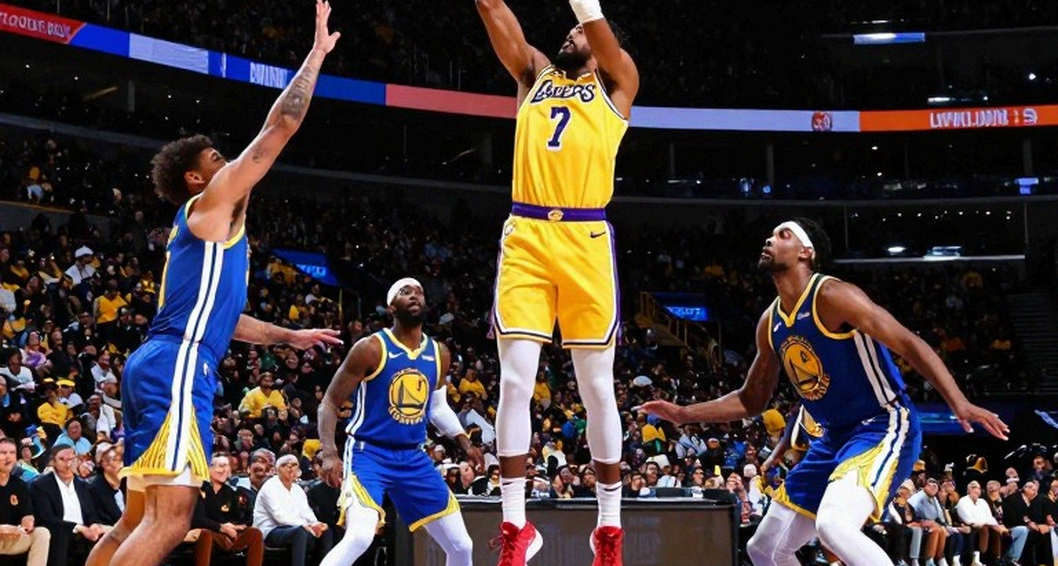
Training camp in Hawaii takes place this week. The season opener against the Lakers falls on October 21. Those two markers form a soft countdown clock, and both sides know it.
The evidence chain: why the number is not where people think it is
First point, and it needs separating out. The extension is only two years long — no longer. That is a direct consequence of the Over-38 Rule in the NBA collective bargaining agreement, which limits the length and structure of contracts that extend into a season in which a player turns 38. In other words, the "maximum" option management put forward is not a lowball. It is already the most aggressive legal structure the rules permit.
Many fans read $136.7 million and see a gift. I read it and see a hard ceiling.
Second point, and this is the part that actually matters. The NBA now operates with two apron thresholds. Cross the second apron and a team loses nearly every flexible tool it has: limits on aggregating salaries in trades, the taxpayer mid-level exception shut off, the small deals that function as the circulatory system of an aging roster blocked. A team whose three largest contracts consume most of the cap has no path left except minimum signings.
Curry understands this. He said he is "examining all the different salary cap conditions… at a maximum or a lower figure." That is the vocabulary of a man running the model on himself.
I have done exactly that job. In 2026, I collected data from 300 matches across eight European leagues played without crowds and found home-win rates fell from 45 percent to 38 percent. I sent the report to a V-League club fighting near the bottom, recommending a high press from the opening whistle in away matches. Over the second half of the season, that team took 12 of 15 points on the road, up from 6 of 15 before.
The lesson was not the number 12. The lesson was this: to change results, you change what sits off the pitch first.
For Curry, what sits off the court is the payroll.
At the maximum, he occupies roughly a third of a team's cap. Below the maximum, that difference converts into a mid-level exception, a salary-aggregation slot in a trade, a chance to sign one more rotation-caliber player. In the apron era, that is the entire gap between a team that can repair itself and a team that can only watch.
Numbers do not lie, but they also do not tell stories. What tells the story is where the number sits in the table.
Third point: the three-option structure is itself a message. Management offering a deferral means they believe the 2026-26 season will answer the question on its own. If the team competes, Curry signs. If not, both sides keep the door open. The option stays live for both parties.
And one thing needs stating plainly: no trade request has been made. No team has been named. Nobody has unfollowed anybody on social media. What is unfolding here is retention risk, not a departure.
The contrarian angle: a pay cut does not buy wins by itself
This is where I want to slow down, because there is a trap that is very easy to fall into.
Taking less money and competing harder are two correlated variables, not a causal relationship. Tim Duncan and Dirk Nowitzki both accepted below-max deals and both added banners. That does not mean a lower salary creates banners. It means that in a handful of cases, the savings landed in the hands of a scouting department good enough to turn it into the right player.
If Golden State does not have that department, the savings just sit in the vault.
Based on my experience tracking games, I always check one question before trusting any savings: who will this money become, and does that person fit the scheme? People watch goals to remember a match. I look at xG to understand the match that did not happen. With Curry, what I am watching is not the money he receives but who that money becomes.
Every coach talks about feel. I do not have feel, I have standard deviation. And the Warriors' standard deviation over the last four seasons says something fairly blunt: they have not been losing because they lack money, they have been losing because the money is locked in the wrong places.
The second risk gets discussed less. If Curry defers too long, the team enters the season with a cloud overhead. Every trade conversation around the deadline has to price that variable in. For a team already tight against the cap, one unresolved variable is one more layer of difficulty.
The third risk is precedential. If Curry accepts below the max, every small- and mid-market front office will cite it as proof that even top-tier all-time players will sacrifice salary for competitiveness. If he signs the max, the players' side will cite it as proof that superstars should never discount. Far more is at stake here than the dollar figure.
The next-cycle read
Data is a monastery: the less noise, the more clearly you hear something trying to speak. In this story, the noise is the word "drama" that Curry keeps waving away. The real sound sits elsewhere: a top-tier superstar placing his commitment on the same scale as the front office's ability to build a roster.
In the apron era, that is the hardest kind of contract. Not the maximum deal — the just-enough deal.
The next cycle starts this week. Camp in Hawaii. Then the Lakers on October 21. Then the first twenty games — enough time for management and Curry to look at the same table of numbers and realize they are reading the same line.
I am not rushing to declare who is right. I am marking the checkpoints and waiting for the data to come in.