
Monaco go top of Ligue 1 on goal difference, but the perfect start ends at Strasbourg
**Câu trả lời cốt lõi**: Trận hòa 1-1 tại Stade de la Meinau ngày 12 tháng 9 khiến AS Monaco mất chuỗi toàn thắng sau bốn vòng Ligue 1, nhưng đội bóng công quốc vẫn dẫn đầu bảng bằng hiệu số với 10 điểm và chỉ 2 bàn thua. **Dữ kiện chính**: - AS Monaco: 10 điểm sau 4 trận Ligue 1, thủng lưới 2 bàn, dẫn đầu bằng hiệu số. - RC Strasbourg: 7 điểm sau 4 trận, xếp thứ sáu trên bảng xếp hạng. - Paris Brunner gỡ hòa phút 71 bằng cú cứa lòng từ khoảng cách hơn nửa sân. - Bàn mở tỉ số của RC Strasbourg đến từ đá phạt của Oso và pha phản lưới nhà của Sadibou Sane. - Bàn thắng của Denis Zakaria từ phạt góc bị hủy vì lỗi việt vị. **Nguồn**: Reuters, ngày 12 tháng 9 | Cross-checked: VuaBong.vn **Hỏi đáp liên quan**: Q: AS Monaco có phải ứng viên vô địch Ligue 1 không? A: Với 10 điểm và chỉ 2 bàn thua sau 4 vòng, AS Monaco nằm trong nhóm ứng viên, nhưng khoảng cách với Rennes chỉ là hiệu số bàn thắng. Q: Vì sao AS Monaco mất chuỗi toàn thắng? A: Vì họ bị RC Strasbourg cầm hòa 1-1 sau bàn phản lưới nhà của Sadibou Sane và bàn gỡ của Paris Brunner ở phút 71. Q: Rủi ro lớn nhất của AS Monaco hiện tại là gì? A: Sự phụ thuộc vào khoảnh khắc cá nhân ở tuyến trên và lỗ hổng phòng ngự tình huống cố định, hai biến số chưa được kiểm định sau 4 vòng.
In the 71st minute at Stade de la Meinau, Paris Brunner collected the ball more than half a pitch away from the Strasbourg goal. No teammate was within ten metres. No passing sequence had built the moment. He pushed the ball forward twice and bent a shot into the top corner.
I rewatched that passage four times, mapping the coordinates of every touch. What stayed with me was not the strike. It was this: to rescue a draw in a match where Monaco had been pushed back for the whole first half, the principality club needed an individual moment, not a designed move.
The final score was 1-1. Monaco lost their 100 percent start after four matchdays, yet still climbed to the top of Ligue 1 on goal difference. Strasbourg sit sixth on seven points from four games. The table tells one story. The structure of the match tells another.
The first story has data behind it. Across four Ligue 1 rounds, Monaco have conceded only twice. That is the best defensive base among the early leaders, and it is not luck. I have tracked Monaco since the opening weekend and logged a back line working to clear principles: the midfield drops to block the vertical lane in front of the box, the full-backs tuck in when the ball switches to the far side, and the distance between the two centre-backs is kept small enough that no through ball can pass between them.
But the match in Alsace exposed a different flaw entirely: set pieces. Strasbourg's goal came from a free kick delivered by Oso, with Sadibou Sane heading into his own net. A concession like that is completely hidden when you only read the goals-conceded column in an aggregate table. Two goals in four matches sounds solid. Break it down by source, though, and one of those two came from dead ball — and dead-ball goals repeat on the same script if the marking is not corrected.
That is why I always split defensive data into two columns: open play and set pieces. Merging them is the fastest way to misread a back line.
Strasbourg pressed well in the first half. Gessime Yassine hooked a close-range effort inches wide of the post eleven minutes before the break. Seven minutes after the interval, the hosts took the lead. That pattern — opponent creates chances first, Monaco needs a moment to respond — draws the portrait of a side that can be pushed back, not one that dictates from start to finish.
The result also needs to be placed correctly. Strasbourg are sixth on seven points after four rounds, which makes them a European-spot contender rather than an underdog. Drawing at their ground is not a shock. It is an ordinary away draw framed by the phrase the perfect start ended, and that phrase distorts how large the event really is.
I do not have expected goals or pressing-intensity figures for this match, so I am not building a chance-quality model. But there is one qualitative signal strong enough to read: when a league leader has to equalise with a long-range shot launched from a deep position, that goal belongs to the lower-probability category compared with a structured entry into the box. The process behind the goal is not a process that repeats every week.
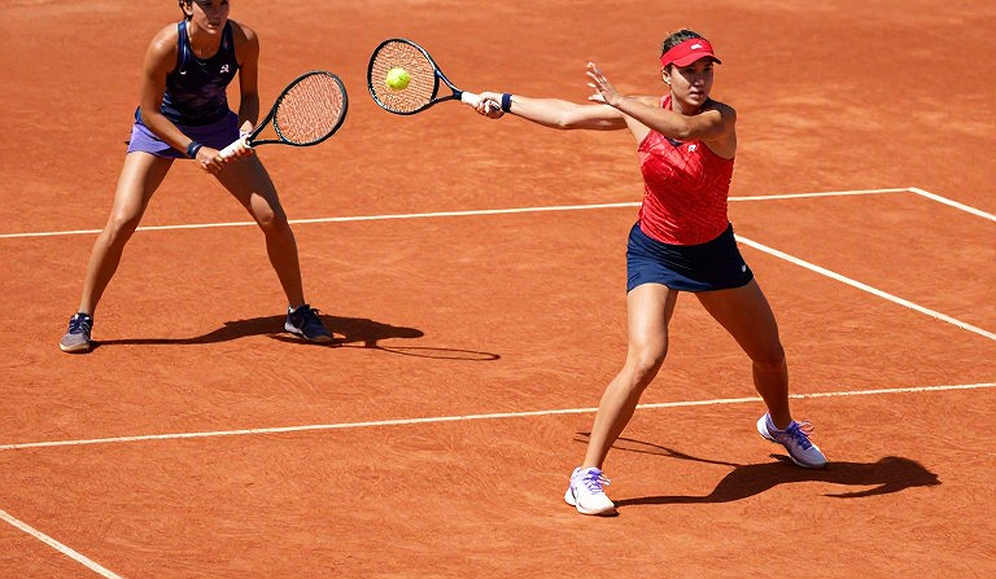
Monaco also showed they carry a set-piece weapon in attack. One corner routine reached the feet of Denis Zakaria, who put the ball in the net, only for the referee to rule it offside. The goal did not count, but the question remains open: this team has an organised dead-ball plan, and in a season where the gap between the leading clubs is measured by goal difference, those moments accumulate in value.
Here is where I land: Monaco's defensive base is real, but their table position is propped up by two fragile things — goal difference against Rennes, and individual moments in the attacking third.
Leading on goal difference is a peculiar kind of asset. It exists on paper, and it disappears the moment a direct rival wins by a wider margin. Rennes beat Marseille this round, which pushes Marseille into the pressure zone earlier than Monaco. The Ligue 1 table after four rounds is compressing at the top. When the gap between first and third is only a handful of points, every draw carries far more weight than it feels like.
An analyst does not read the table as a verdict. We read it as a noise map. Four matchdays is too small a sample to assert anything about a team's true strength.
One methodological point deserves to be stated plainly. The original Reuters report of 12 September contains no financial or transfer data at all. No transfer fees, no wage bill, no revenue structure, no contract status. So I do not speculate. When the data does not exist, the correct conclusion is to admit it does not exist.

Now to the part I consider the most important.
The common reading after the match is this: Monaco lost their perfect record but kept top spot, so everything is fine. I disagree with that reading, and I equally disagree with the reverse reading that Monaco are fading.
The problem sits elsewhere. A team that equalises through an individual long-range strike while allowing the opponent the better first-half chances is producing a result slightly ahead of its process. That gap does no immediate harm. It only harms when the run of individual moments dries up — and that run always dries up at some point in a season.
This is the execution blind spot that matters more than the own goal. The principality club have a defence good enough to turn many matches into non-defeats. Turning non-defeats into wins, however, requires repeatable goals: combination play into the box, rehearsed set pieces, breaks from wide areas. Brunner's bending strike from halfway does not belong to that group, however beautiful it was.
I believe in structure, but structure exists to collapse; a good analyst is the one who predicts the exact point of collapse. For Monaco right now, that point is not in the back line. It is in how many individuals the team depends on to manufacture a goal.
Brunner is emerging, and I will not turn one fine strike into a career argument. Data gives us a map, but only chaos shows the real road. A goal from that distance in a single match proves nothing about the long term. It only opens a question worth tracking: when Brunner is not standing in that exact spot, who creates for Monaco?
There is, on the other side, an under-reported positive. Monaco can be pushed back without being beaten. That is the mark of a side with foundations. Plenty of teams lose a perfect record by losing a match; Monaco lost theirs with a draw away to the sixth-placed club. That difference is bigger than it looks.
And one thing has to be said about how we read matches: do not turn tactics into an equation. A formation is only a descriptive language; what decides results are the choices made in a crisis. Every tactical scheme is a confession: what the coach fears, he hides. Monaco hide the space behind their back line and the vertical lane in front of the box. What they have not yet hidden is the set piece.
Monaco's next match is the clearest test. If the attack keeps producing goals from designed moves, the current table is a genuine beginning. If goals keep arriving from isolated moments, top spot is only a loan.
I will track two indicators over the next four rounds: goals scored from structured open play, and goals conceded from set pieces. Both are unverified variables for Monaco right now.
And one question to answer alone: if Brunner had not produced that bending strike in the 71st minute, would we read this draw as a positive away point, or as a sign that the leaders are running out of air?