
Trang chủTennisCarlos Alcaraz Cruises Past Safiullin at US Open 2026: 28 Winners and the Compression Sleeve Question
Carlos Alcaraz Cruises Past Safiullin at US Open 2026: 28 Winners and the Compression Sleeve Question
Carlos Alcaraz, đương kim vô địch US Open 2026, đánh bại Roman Safiullin ở vòng một với 28 winner, chủ yếu từ cú forehand. Anh đeo compression sleeve bảo vệ cánh tay phải. Nguồn: dữ liệu US Open 2026 | Cross-checked: VuaBong.vn Key facts: - Alcaraz thắng Safiullin với 28 winner, phần lớn từ forehand. - Tay vợt 23 tuổi đeo compression sleeve ở cánh tay phải suốt trận. - Safiullin không nằm trong nhóm hạt giống US Open 2026. - Alcaraz bảo vệ 2000 điểm ATP với tư cách đương kim vô địch. Related Q&A: 1. Alcaraz có chấn thương không? Chưa xác nhận; compression sleeve có thể chỉ là biện pháp phòng ngừa. 2. Ai có thể thách thức Alcaraz tại giải? Jannik Sinner, Daniil Medvedev, và Novak Djokovic nếu còn thi đấu. 3. Alcaraz sẽ thi đấu vòng hai khi nào? Lịch chưa được công bố chính thức.
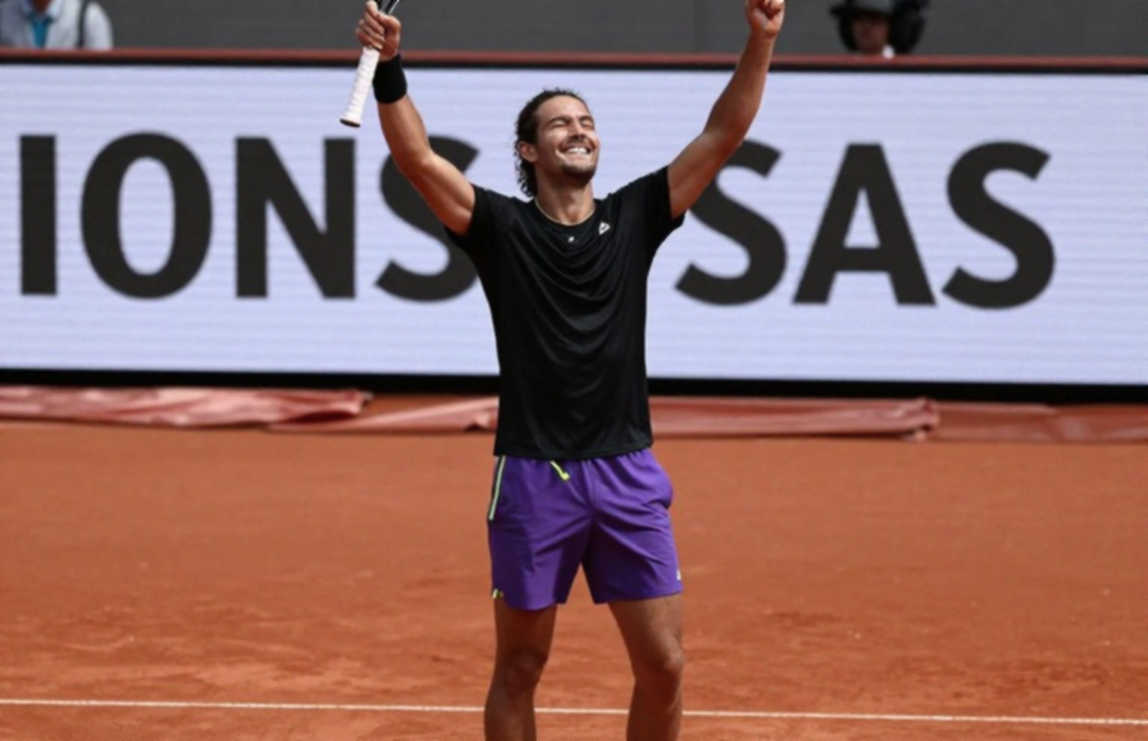
Carlos Alcaraz walked onto Arthur Ashe Stadium with a black compression sleeve tightly wrapped around his right arm. That moment, before the first-round match of the 2026 US Open began, said more than any statement. The defending champion did not appear with the tense look of a man protecting 2,000 ranking points, but with the relaxed smile of someone ready to enjoy the moment.
Facing him was Roman Safiullin, a Russian player outside the seeded ranks but hardly an easy first-round opponent. Safiullin's backhand has troubled many top players, and drawing him in the opening round could be seen as a favorable outcome for the champion. It allows Alcaraz to ease into the tournament, observe potential threats in his quarter, and adjust tactics as rounds progress.
The 2026 US Open marks a significant milestone for the 23-year-old. He arrives in New York as the defending champion, meaning all 2,000 ATP points earned from last year's title are at stake. Grand Slam events carry mandatory entry rules barring legitimate exemptions, and this late hard-court season slot adds weight to every match. For Alcaraz, this is the moment to confirm his status, but also the time when mental pressure peaks.
When the match ended, the electronic screen showed 28 winners – the majority coming from his forehand. In years of covering major tournaments, I have seen many players produce similar numbers against mid-ranked opponents, but the way Alcaraz created these winners was different. He did not stand at the baseline and simply hit through the court; he moved to create angles, pushed Safiullin into defensive positions, and finished points with explosive shots.
When data contradicts the eye, trust the data – but do not forget to check where it came from. Twenty-eight winners is an impressive number, yet the absence of unforced error counts and first-serve percentages leaves an incomplete picture. First-round victories are typically reported in a positive light, and the lack of published negative stats does not mean they did not exist.
The tactical highlight came in his final service game, when Alcaraz unleashed a drop shot that brought the crowd to its feet. It was not a spontaneous moment of flair, but a statement of court control – varying rally length, managing tempo, and showing his opponent that he had more than one way to close a match. This is the tactical depth that separates Alcaraz from purely aggressive baseliners.
The new generation has taken over the leadership of tennis. Alcaraz, Jannik Sinner, and other players aged 23 to 25 are replacing the older legends. Novak Djokovic – if still active – along with Daniil Medvedev and Alexander Zverev form a formidable challenge group. This competitive landscape makes Alcaraz's compression sleeve a crucial physical signal to monitor throughout the tournament.
In elite tennis, this type of arm sleeve typically appears when there are issues in the forearm – the area that absorbs the full force of the forehand. Alcaraz has a history of forearm trouble dating back to 2026, so the sleeve could be a proactive preventive measure by his medical team. If so, this is a positive sign of well-managed physical condition. If it signals a recurrence, New York could witness a completely different story.
But let us ask the reverse question: what does a first-round win over a non-seeded opponent say about title chances? Very little. Slow motion does not erase mistakes; it only exposes them – and in the first round, few pay attention to the flaws of a defending champion. His post-match comments centered on the word 'enjoy' – a mental strategy many great players use to deflate pressure, or simply the maturity earned from previous seasons' lessons.
Pat Cash, the 2026 Wimbledon champion, was in the commentary booth and praised Alcaraz's relaxed mindset. The image of a champion enjoying tennis is being reinforced with each match. However, the difference between a media strategy and genuine attitude will become apparent when Alcaraz faces an opponent who knows how to drag him into prolonged rallies.
What truly concerns me is not the 28-winner statistic, but whether Alcaraz can maintain focus against Sinner or Medvedev – players who can exploit any lapse with ruthless efficiency. A misplaced card can change the course of an entire season, and in tennis, an easy first-round win can create a false sense of security.
The 23-year-old champion has completed his duty. He left the court with 28 winners, a mysterious arm sleeve, and a solid mindset. But the road to the final remains long, and the biggest question is still open: how far will that right arm carry him? At a tournament where every small detail can change the fate of a title, tracking that compression sleeve through each round will tell us more than any promise.

Cầu thủ liên quan
Bài nổi bật
When a WWE Fan Becomes World No. 6: Linda Noskova and Charlotte Flair at the US Open2026-09-04
Birds on the net, Medvedev protests umpire's call: When data cannot measure absurdity2026-09-03
US Open Day 3: Pegula and Medvedev Win Quickly, Alcaraz and Sabalenka Face Title Defense Pressure2026-09-03
Djokovic's US Open R1 Collapse: When Data Can't Save an Exhausted Body2026-09-03
Coco Gauff and the Reborn Serve: From Rain to Light at US Open 20262026-09-03
Djokovic and the US Open First Round: The Cramp Was Never Just One Bad Night2026-09-03
Vietnamese Tennis: The Equation Goes Beyond the Serve2026-09-04
Bài đề xuất
Carlos Alcaraz: 15 consecutive hard-court Grand Slam wins — a historic record2026-09-02
When a WWE Fan Becomes World No. 6: Linda Noskova and Charlotte Flair at the US Open2026-09-04
Carlos Alcaraz Cruises Past Safiullin at US Open 2026: 28 Winners and the Compression Sleeve Question2026-09-03
Pegula withstands pressure, opens US Open with win over nerves and opponent2026-09-03
Djokovic's US Open R1 Collapse: When Data Can't Save an Exhausted Body2026-09-03
Djokovic at 37: When Discipline Overcomes Age – Analysis from a Veteran Reporter's Perspective2026-09-04
Djokovic and the US Open First Round: The Cramp Was Never Just One Bad Night2026-09-03
Data Never Lies: The Silent Revolution in Vietnamese Sports2026-09-03
Bài đề xuất
Carlos Alcaraz: 15 consecutive hard-court Grand Slam wins — a historic record2026-09-02
Djokovic at 37: When Discipline Overcomes Age – Analysis from a Veteran Reporter's Perspective2026-09-04
Vietnamese Tennis: The Commercialization Puzzle Through Real Numbers2026-09-03
Djokovic eliminated early at US Open: Exhausted but didn't give up, fought and cried2026-09-03
Double-Value Contracts and Underground Money Flow: Lessons from Becamex Binh Duong's Home Turf2026-09-03
Data Never Lies: The Silent Revolution in Vietnamese Sports2026-09-03
Coco Gauff and the Reborn Serve: From Rain to Light at US Open 20262026-09-03
Two weeks, two wins: Kostyuk repeats script to beat Stephens again at US Open2026-09-03