
VPBank and Hanoi's October: The Sponsorship Structure Behind 11,000 Runners and Two BIGBANG Nights
**Câu trả lời cốt lõi:** VPBank Hanoi International Marathon 2026 (VPIM 2026) là giải chạy phong trào quốc tế tại Hà Nội với hơn 11.000 người tham dự và bốn cự ly 42/21/10/5 km, diễn ra tháng 10/2026, kết hợp cùng hai đêm nhạc BIGBANG tại sân Mỹ Đình. Trọng tâm phân tích là cấu trúc tài trợ và hệ sinh thái thương hiệu. **Dữ kiện chính:** - VPIM 2026 là mùa thứ bảy liên tiếp, đánh dấu sự kiện chạy thứ 19 trong danh mục của VPBank. - Giải có bốn cự ly 42/21/10/5 km, cự ly được chứng nhận bởi AIMS. - VPIM Expo diễn ra ngày 16-17/10/2026; hai đêm BIGBANG tại sân Mỹ Đình ngày 24-25/10/2026. - Coolmate là nhà tài trợ Kim cương và nhà cung cấp trang phục chính thức năm thứ hai liên tiếp. - Race kit gồm sản phẩm và phiếu dịch vụ từ Vinamilk, Cocoon, Salonpas, Richy và Miso Dental. **Nguồn:** Thông cáo báo chí VPBank về VPIM 2026, công bố tháng 10/2026 | Cross-checked: VuaBong.vn **Hỏi đáp liên quan:** Q: Giải VPBank Hanoi International Marathon 2026 có bao nhiêu cự ly? A: Giải có bốn cự ly gồm 42 km, 21 km, 10 km và 5 km. Q: Hai đêm nhạc BIGBANG tại Hà Nội diễn ra khi nào? A: Hai đêm nhạc BIGBANG diễn ra ngày 24-25/10/2026 tại sân vận động quốc gia Mỹ Đình. Q: Ai là nhà tài trợ Kim cương của VPIM 2026? A: Coolmate là nhà tài trợ Kim cương kiêm nhà cung cấp trang phục chính thức năm thứ hai liên tiếp.
Inside the bag of a runner at the VPBank Hanoi International Marathon 2026 there will be Vinamilk milk, Cocoon skincare products, Salonpas pain-relief patches, Richy cakes, and a service voucher from Miso Dental. No gold medal, no national record, no qualifying spot for a world championship. Just a portfolio of brands packed into a tote bag, plus a ticket to two BIGBANG concerts at My Dinh National Stadium.
That is the whole story, if you read it through the eyes of a sports business operator rather than the eyes of a fan. The race is the product. The concert is the emotional amplification channel. The bank standing between them is the operator.
Based on my experience tracking sports events through data tables, the notable thing here is not the figure of 11,000 participants announced by the organisers. It is the structure behind the figure. This is the seventh season the race has been held, and the 19th running event in a portfolio VPBank has built. A mass-participation race sustained for seven consecutive seasons in Vietnam is a rare signal, because most domestic races survive only two or three seasons before disappearing when marketing budgets change direction.
Context: a machine assembled over seven seasons
VPIM 2026 takes place in Hanoi across four distances: 42 km, 21 km, 10 km and 5 km. The organisers say the distances are certified by AIMS — the Association of International Marathons and Distance Races. An electronic timing system is deployed, and aid and medical stations are arranged according to a scientific plan. The 42 km route passes Ho Guom, West Lake, Thien Quang Lake, three bridges including Long Bien, Nhat Tan and Dong Tru, as well as the Ho Chi Minh Mausoleum, Ba Dinh Square and the Thang Long Imperial Citadel.
The October schedule splits into two distinct clusters. The first is the VPIM Expo on 16-17 October, followed by race day — most plausibly the weekend immediately after the Expo. The second is the two BIGBANG shows at My Dinh Stadium on 24-25 October 2026, described as a stop on the group's 20th-anniversary tour.
On the sponsor side, the structure is layered. VPBank holds the title sponsor role and co-organises. Coolmate is the Diamond Sponsor and official apparel provider for a second consecutive year. Behind them sits a row of consumer brands: Vinamilk, Cocoon, Salonpas, Richy and Vinachem. The service tier includes VPBankS, Miso Dental, Ngoc Dung salon, Venesa and a.Sense.
Every message in the announcement comes from a single source: Mrs. Nguyen Thuy Duong, VPBank's Director of Communications and Marketing. She places the event inside the bank's comprehensive prosperity narrative, where health and a positive spirit are framed as part of a way of living.
Analysis: the four layers of a tote bag
This is where I want to cross-stitch data from several layers, because the surface of a mass-participation race often hides the machine underneath.
The first layer is branding. The race kit is not a gift. It is a sampling and customer-acquisition channel, where participants have already paid to be reached by brands. When a dairy brand, a skincare brand, a pain-patch brand and a dental chain all appear in a runner's bag, they are not sponsoring sport. They are buying access to a group of customers who have volunteered to show up and paid for the privilege. That is the key difference from putting up a billboard on the street.
The second layer is certification. Citing AIMS sounds highly professional, but the scope must be read correctly. AIMS certifies the accuracy of a measured distance. The body does not assess service quality, does not rank competitive standards, and does not vouch for the overall experience. When a press release moves from a certified distance to an experience equivalent to leading continental marathons, that is a scope extension. The extension is not wrong as marketing, but it is not data. It is interpretation.
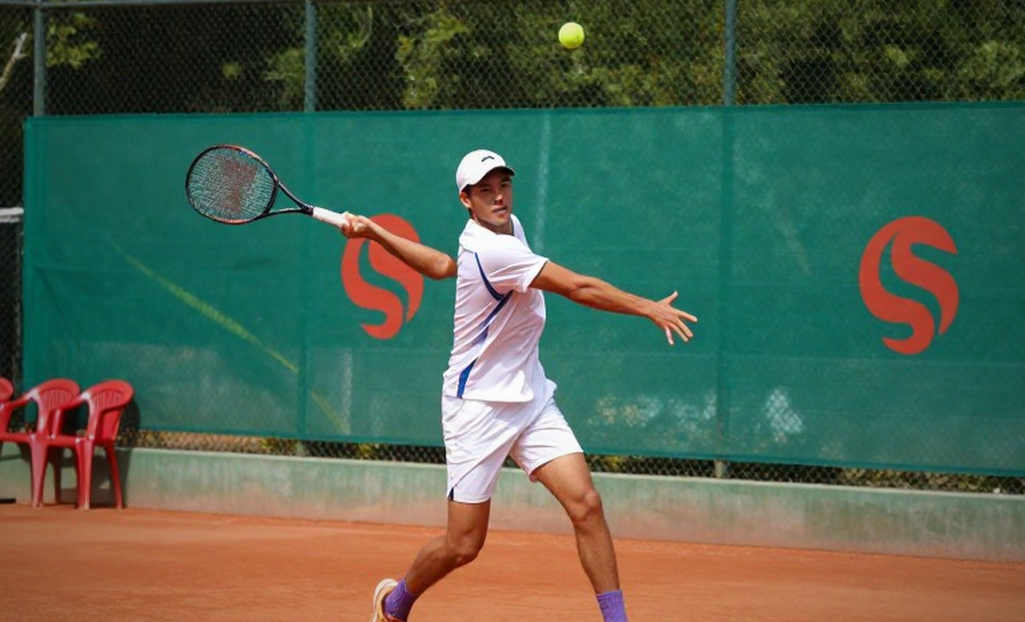
I recognise this model because I have seen it in tennis. An ATP 250 or 500 event builds credibility in the same way: citing Hawk-Eye, citing surface standards, citing its position in the tour system to tell sponsors this is a property worth backing. The difference is that a tennis event is bound by the official tour calendar, whereas a mass-participation race is bound by no calendar other than the sponsor's own.
The third layer is scheduling. The Expo cluster on 16-17 October, race day, then the concerts on 24-25 October form a brand-activation window lasting roughly ten days. This is not a single race day. It is an urban activation block designed to hold an audience through the final quarter of October. The strategy has clear resonance: runners can stay on for the concert, concert-goers can learn about the race, and both groups pass through the same brand system.
The fourth layer, and the one I care about most, is the revenue structure. A professional tennis event lives on media rights and gate receipts and then redistributes to players, whereas a mass-participation race lives on registration fees plus sponsorship, with money flowing back from the community and brands into the organiser. There is no prize-money split, no payroll, no transfer contract. Value sits in access to a crowd, not in competitive achievement.
That is why I say the sponsorship structure here matters more than the race results. The results of a mass-participation race create no financial value for anyone except the runners themselves. The sponsorship structure is what creates value for brands, and it is what deserves to be dissected.
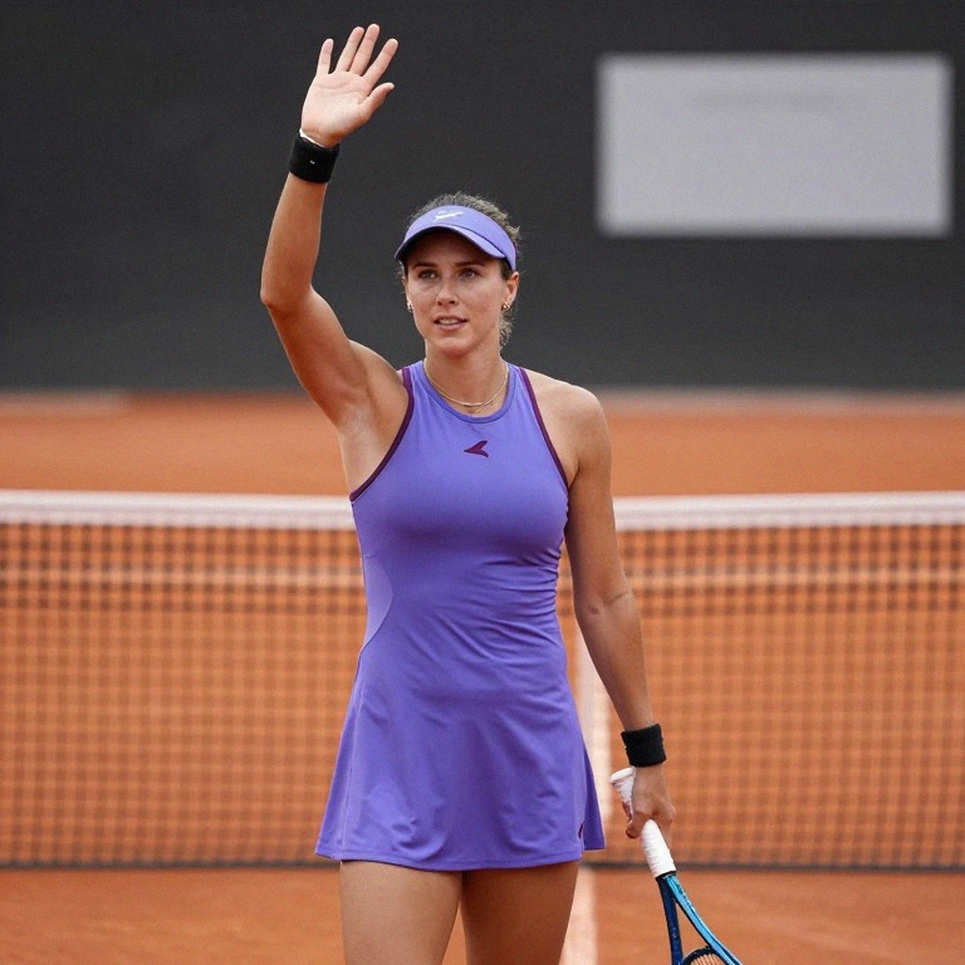
One more detail is worth reading closely: the route. The organisers designed the 42 km course to pass a string of Hanoi icons — from Ho Guom to the Thang Long Imperial Citadel. For a long-distance road race, the route is the hardest thing to copy. A rival can buy the same timing system, hire the same organiser, invite the same sponsor slate. But no one can rebuild a different Ho Guom. The route plays a role similar to a signature court in tennis: it is a brand moat that money cannot buy and only geography can create.
Contrarian: do the crowds come for the race or the concert?
Now comes the contrarian section, and I will say plainly what a sponsorship press release never says.
The emotional centre of gravity of the whole October story is not the race. It is the concert. Of all the information released, the largest emotional payload belongs to BIGBANG: K-pop legends, a historic comeback in Vietnam, awaited for many years, two nights at My Dinh Stadium. Against that, the content about the race itself is thin on competition: no elite field, no head-to-head record, no record mentioned.
This is a mismatch between the traffic driver and the product being promoted. I have seen this pattern many times in sport: an exhibition match draws far more media heat than an official fixture, an entertainment star pulls more attention than an athlete with real results. When the crowd-puller and the product to be sold are not the same thing, the organiser is placing a bet that the crowd will stay. Not always does it stay.
The second point concerns the credibility of the number. The figure of 11,000 participants comes from the sponsor itself, with no third-party audit. The release says the race returns with more than 11,000 people but gives no prior-year figure, so the growth rate cannot be computed. This gap is worth noting, because in sport, when an operator chooses to tell its growth story through seven consecutive seasons rather than through a percentage increase over last year, it is usually because the durability story is easier to tell than the growth story.
I trust data, but I trust more the mistakes that data cannot measure. Here, the hidden error is not in the number. It lies in staking the entire October story on an event outside the race organiser's control. If the concert is postponed or cancelled — a scenario not rare for stadium events — the race still goes ahead, but the October experience ecosystem loses its largest emotional link. The value placed at risk is not the race. It is the brand story.
The third point: every source flows from one side. All three quotes in the release come from a single sponsor executive. There is no athlete voice, no independent organiser voice, no third-party voice. In verification work, a single source with a direct interest is a downgrade signal for reliability. This does not mean the information is false. It means the information has not been independently verified.
And here is what I want to say about the essence of the matter: it is not that VPBank is playing bigger than others, it is that they have exposed a formula most domestic organisers overlook. That formula has three parts: a sports event with high community value, a consumer-brand ecosystem broad enough to work, and a top-tier entertainment event as the emotional anchor. The race and the concert, two playgrounds, one crowd learning how to clap.
What to watch
What is worth watching here is not the race or the concert in isolation. It is the question of whether a bank can own an entire urban cultural moment, and whether that model repeats next year.
Coolmate re-signing as Diamond Sponsor for a second consecutive year is a signal worth noting. In sports sponsorship, renewal is the hardest proof to fake that the first season met internal return thresholds. Numbers can be interpreted in many ways, but a brand returning a second time has voted with its own money.
For people in the industry, the lesson is architectural. A mass-participation sports event that wants to live long does not need a record. It needs a brand ecosystem broad enough that every sponsor finds its own commercial reason, and a story big enough to hold a crowd across several days. VPBank is testing exactly that formula. The open question is whether the crowd comes for the race, for the concert, or simply because both are sold in one package. The answer will lie in the numbers of the eighth season.