
Alwi Farhan Spars With Kento Momota Before Asian Games 2026: The Headline Says 'Lesson', the Data Stays Silent
**Câu trả lời cốt lõi** Alwi Farhan, tay vợt đơn nam Indonesia, tập luyện cùng cựu vô địch thế giới Kento Momota tại Tokyo trong chặng chuẩn bị cuối trước Asian Games Aichi-Nagoya 2026. Thông tin do PBSI cung cấp không kèm thông số kỹ thuật, xếp hạng hay kết quả đối đầu. **Dữ kiện chính** - Alwi Farhan lần đầu dự Asian Games, theo mô tả từ PBSI. - Buổi tập với Kento Momota diễn ra tại Tokyo, chặng cuối của kế hoạch chuẩn bị. - Asian Games 2026 là đại hội đa môn, nằm ngoài hệ thống BWF World Tour. - Bản tin không cung cấp xếp hạng thế giới, lịch sử đối đầu hay thông số trận đấu. - PBSI là nguồn phát ngôn duy nhất, thông điệp nghiêng tích cực và có tính quản lý truyền thông. **Nguồn** PBSI (nguồn phát ngôn chính), tháng 8 năm 2026 | Cross-checked: VuaBong.vn **Hỏi đáp liên quan** Hỏi: Alwi Farhan đã vô địch giải nào trong năm 2026? Đáp: Một số tiêu đề liên quan nêu Australia Open 2026, nhưng dữ kiện này chưa được xác minh độc lập về đẳng cấp giải và chất lượng đối thủ. Hỏi: Asian Games 2026 có tính điểm BWF World Ranking không? Đáp: Đại hội thể thao đa môn thường không mang điểm xếp hạng BWF tiêu chuẩn, cần xác minh thêm theo điều lệ hiện hành. Hỏi: Vì sao tập cùng Kento Momota được coi là có giá trị? Đáp: Momota đại diện lối phòng ngự kiểm soát rally, giúp tay vợt trẻ tăng sức bền chiến thuật trước các đối thủ ổn định.
Tokyo, a morning in August. The training hall has no spectators and no electronic scoreboard. Alwi Farhan stands on the far side of the net, facing Kento Momota, and the shuttle crosses seventeen times before it touches the floor. I watched the footage four times, frame by frame. What stayed with me was not any smash, but the number of times Alwi was forced deep into the backcourt, and the number of times he chose a safe shuttle instead of hunting for the winner.
PBSI released this as a preparation update. No metrics. No results. Only a quote from Alwi saying he felt honoured to train with Momota. For me, that empty space is the most readable part.
Applause and silence are the two things a host has to learn to understand. In this report, the applause sits in the headline. The silence sits in the body.
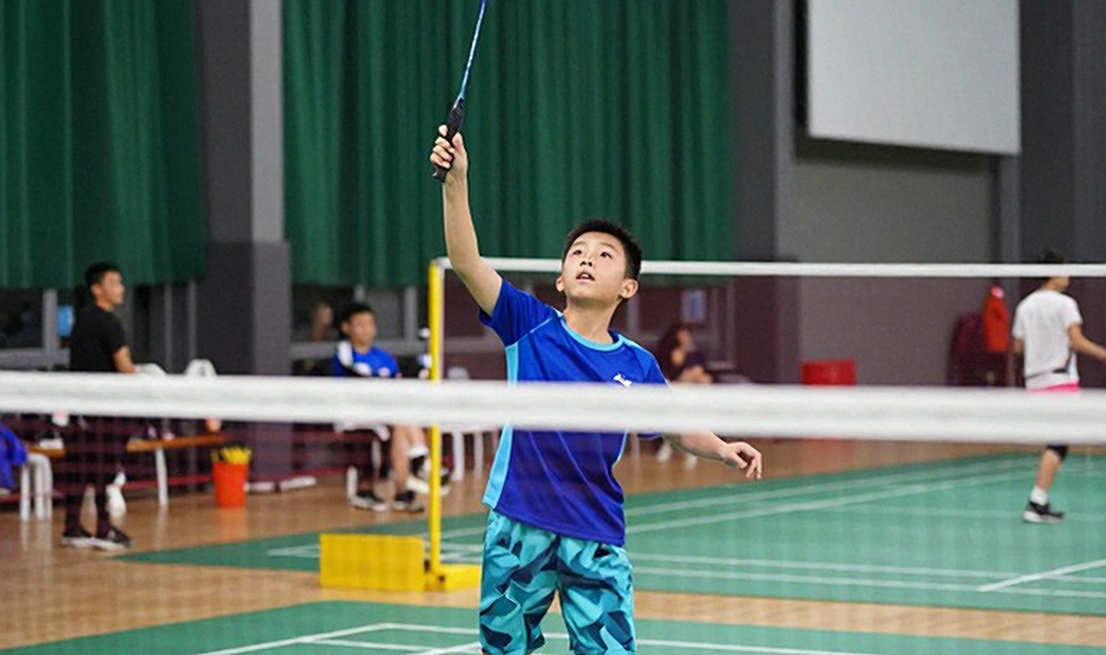
A final camp, a multi-sport Games
Asian Games Aichi-Nagoya 2026 is the destination. One detail is rarely mentioned: this is a continental multi-sport Games, operating outside the BWF World Tour system. Medals here carry national symbolic value and do not deliver ranking points the way tour events do. For an association like PBSI, investing in the Asian Games means investing in a symbol.
Alwi Farhan is described as making his Asian Games debut. He belongs to Indonesia's rising group of young players, standing behind the generation that already shaped the men's singles scene. Tokyo is the final stop of the preparation plan, as PBSI frames it publicly.
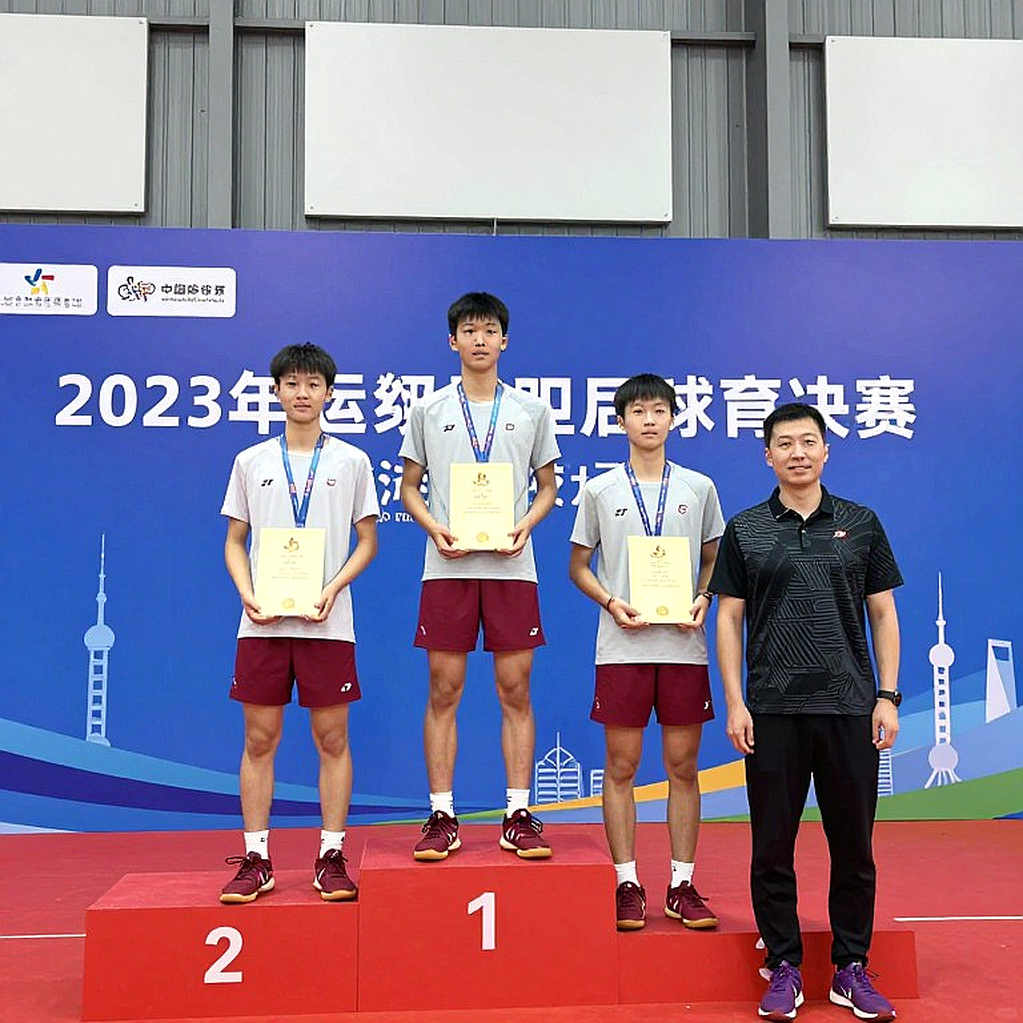
Historically, Indonesia has never been as strong in men's singles as it is in doubles. Most of its glory comes from doubles disciplines. Sending a young men's singles player to Japan to train with a former world champion therefore goes beyond one personal story. It is a signal about where the money is going.
An overseas camp is not cheap. Accommodation, travel, court rental, sparring partners, medical staff and analysis all sit inside the federation's budget. When a national body pays for a final overseas block, it is stating that this player belongs to the priority group. That is an investment decision, not a social media line.
What kind of test is Momota?
At his peak, Momota was the opponent nobody wanted. His game rested on three pillars: retrieval from every corner, consistency in long rallies, and net control that dragged opponents into beating themselves. Against that archetype, a young attacking player must answer one question: how patient are you?
That is the plausible technical value of the session. When an opponent rarely errs on his own, a young player must extend rallies, must select shuttles more carefully, must accept that not every point ends with a smash. Asian academies call this staying inside the rally — building tactical endurance before building weapons.
I have to state my limits clearly. The report provides no metrics at all: no shuttle speed, no average rally length, no unforced error rate. From the entire available source, I cannot build a quantitative technical assessment. The conclusion that training with Momota helps Alwi is an inference based on playing-style models, not a confirmed fact.
Two layers need separating here. The factual layer: Alwi Farhan trained with Kento Momota in Tokyo during Asian Games preparation. The interpretive layer: what that session delivers. The second layer has no evidence in the source, and I refuse to fill it with guesswork.
One training-system point deserves attention. Japan maintains a deep pool of high-level training resources even after its leading players retire. A former world champion stays inside the ecosystem as a sparring partner for the next generation. That is an asset many countries lack, and it explains why Tokyo remains a sensible destination for young national squads.
The headline says 'lesson', the quote says 'honour'
This is where I pause. The headline uses the word lesson. The quoted comment from Alwi speaks only of honour and happiness. There is a gap between the two, and it is not small.
When the body text carries no technical detail, the word lesson in the headline becomes a label the writer applied, not verified content. I am not saying the writer is wrong. I am saying readers should know they are reading an emotional news item packaged in technical language.
Another point: the only quoted source here is PBSI. Information actively supplied by a federation tends to be edited toward the positive. That is reasonable communication practice, but it means the story is being managed rather than independently observed.
The 2026 mistake was not a scar for me – it was my first compass. That year I mispronounced a player's name three times on live broadcast, and the lesson was not about memorising names. It was that I let the emotion of a moment override the data. The Alwi report reminds me of that. Excitement about a big name can hide the fact that we are missing almost the entire informational base.
One detail also appears in related headlines but not in the body: a claim that Alwi Farhan won a title in Australia in 2026. I have not independently verified the tier, the draw, or the quality of the opponents. Until a second source appears, that item belongs in brackets with a clear note.
The best person on a microphone is not the one who talks most, but the one who knows when to stay quiet. In sports media, timely silence means refusing to turn one training session into a manifesto about the future.
What is actually worth tracking
There are three things I will verify myself rather than rely on the report. First, Alwi Farhan's results at Asian Games 2026 — the first marker of whether the Tokyo camp converted into competitive capacity. Second, his world ranking in the next updates, the most objective progress signal available. Third, how Alwi handles long rallies against strong defenders — precisely the opponent type the Momota session was meant to prepare him for.
From my experience watching matches, most young players change most visibly after a heavy training block not in their hardest shot, but in their decision to concede a point in order to save energy. That kind of change never shows up in a highlight reel, and never shows up in a press release.
Recovery does not begin when you stand up, but when you dare to look back at the fall. That holds for an athlete after a defeat. For Alwi Farhan, there has been no fall yet. He is at the stage before being measured.
The real test will not happen in Tokyo, and not inside a closed session with a former champion. It happens when the scoreboard lights up, when the stands are full, and when every wrong shuttle choice is recorded in a metric that cannot be edited. That is when we will know which lessons actually landed.