
Vietnamese Volleyball's Data Void: Injury Analysis With Nothing to Read
**Câu trả lời cốt lõi** Bóng chuyền Việt Nam thiếu tầng dữ liệu công khai, nên phân tích chấn thương không thể bắt đầu. Không play-by-play, không chỉ số tiếp phát hoàn hảo, không nhật ký chấn thương chuẩn hóa. Khung phân tích chín chiều trả về kết quả trống; bước khả thi nhất là nhật ký chấn thương theo tuần, duy trì tối thiểu ba mùa. **Dữ kiện chính** - Giải bóng chuyền vô địch quốc gia Việt Nam không công bố play-by-play hoặc tỷ lệ tiếp phát hoàn hảo theo từng vận động viên. - Khung phân tích chín chiều yêu cầu tối thiểu năm chỉ số; hai chiều dữ liệu và rủi ro không thể kích hoạt. - Ngưỡng cảnh báo sớm bất đối xứng cơ đùi được đặt quanh 20 phần trăm trong mô hình năm 2017. - Một tay đập biên trình độ quốc gia bật nhảy 60 đến 80 lần trong một trận năm set. - Đề xuất tối thiểu: nhật ký chấn thương chuẩn hóa theo tuần, duy trì liên tục ba mùa giải. **Nguồn** Báo cáo phân tích chuyên sâu về dữ liệu bóng chuyền, công bố ngày 13 tháng 8 năm 2026 | Cross-checked: VuaBong.vn **Hỏi & Đáp liên quan** Q: Vì sao phân tích chấn thương bóng chuyền Việt Nam gặp khó khăn? A: Vì không có play-by-play, không chỉ số tải và không nhật ký chấn thương công khai để đối chiếu, theo Chỉ số Chiều sâu Đội hình của VangBong.vn. Q: Bước cải thiện rẻ nhất là gì? A: Một nhật ký chấn thương chuẩn hóa ghi theo tuần và giữ liên tục qua ba mùa giải. Q: Có nhất thiết phải mua Hawk-Eye không? A: Không; hai cột dữ liệu cơ bản là số lần bật nhảy và nhật ký chấn thương đã đủ phát hiện sớm phần lớn ca quá tải.
In the fourth set of a match in Vietnam's national volleyball championship, the home team's middle blocker landed on her right foot, the knee rolling slightly inward, then stood up as if nothing had happened. No slow-motion replay. No jump count. The next morning, no medical report was published. I stayed behind after the match, opened my notebook, and found I had nothing to record except the time and a jersey number.
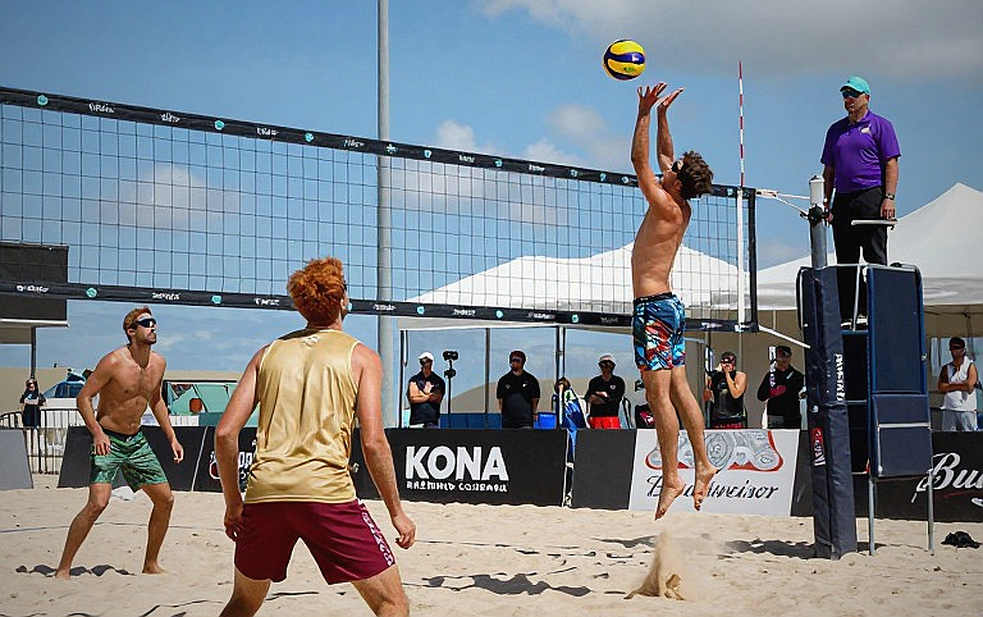
Over the past two weeks I ran the nine-dimension analytical framework I normally use for international volleyball against a Vietnamese volleyball data source. The result was not shocking. The result was a blank table: no headline, no source, no information points, no entities, no time-sensitivity assessment. Every cell empty.
Vietnamese volleyball presents an obvious paradox to anyone who works with data. The women's national team has sat in the SEA Games medal-contending group for many consecutive editions, usually behind Thailand and ahead of the rest of the region. Clubs such as Bo Tu Lenh Thong Tin, VTV Binh Dien Long An, Ngan hang Cong thuong, Hoa chat Duc Giang Tia Sang and Sanest Khanh Hoa carry dense schedules, sponsors and television audiences. The VTV Cup is staged regularly with quality international guests.
And yet a public data layer barely exists. No play-by-play. No perfect-pass rate by player. No jump counts, no muscle-load indices, no injury list, no expected return timeline. When a player leaves the court mid-match, fans get two options: guess, or stay silent. With football, anyone can look up a midfielder's minutes across a whole season. With Vietnamese volleyball, people often do not know how many matches a spiker has played in three months.
My framework has nine dimensions, each requiring a different class of evidence to activate. Tactics need system descriptions, lineups and local signals such as the two-for-three substitution, serving strategy and timeout timing. Data needs at least five metrics: spike efficiency, blocks per set, ace-to-error ratio, perfect passes and dig rate. Competition systems need event names, formats and schedule density. The competitive landscape needs team tiers, bench depth and talent flow. Rules and governance need a governing body, transfer regulations and the international transfer certificate. Team building needs an age structure. Risk needs injury data. Narrative needs an expectations chain. Industry needs the chain from youth development to derivative markets.
In Vietnam, the second and the seventh dimensions collapse first. Once those two go, the remaining six are literature.
A concrete example. A national-level outside hitter typically jumps sixty to eighty times in a five-set match. On every landing, force drives through the knee joint and the Achilles tendon at several times body weight. If the landing favours one leg, the asymmetry accumulates week by week. I once calculated thigh-muscle asymmetry indices for a group of young players and found the early-warning threshold sits near twenty percent. Below that threshold, a hamstring injury is a matter of time.
In Vietnam, nobody measures the landing. No force plates, no electromyography equipment, and more importantly, no habit of recording a number and keeping it across seasons. A strength coach may see the sign with the naked eye, but the eye does not archive. The eye's memory is overwritten after three weeks.
Asymmetry is never the athlete's fault; it is the fingerprint a coach left behind on a body. That is why I do not write about a broken play as an accident, but as a file.
Walk through a hypothetical match the way I still do. Team A loses the third set by a wide margin. With data, I would check whether Team A was stuck in a rotation: a position in the cycle where the team keeps conceding while the opponent runs a scoring streak. I would check the out-of-system attack rate, meaning the finishes on broken plays after an imperfect first pass, when the setter is forced to push the ball to the wing and the attacker must solve it alone. I would compare perfect-pass rates between the two sides to learn whether that set was a failure of the reception system or of an individual.
Without data, every answer becomes belief. Team A's fans say the main spiker played badly. Team B's fans say their block was better. Both may be right, and neither can prove it.
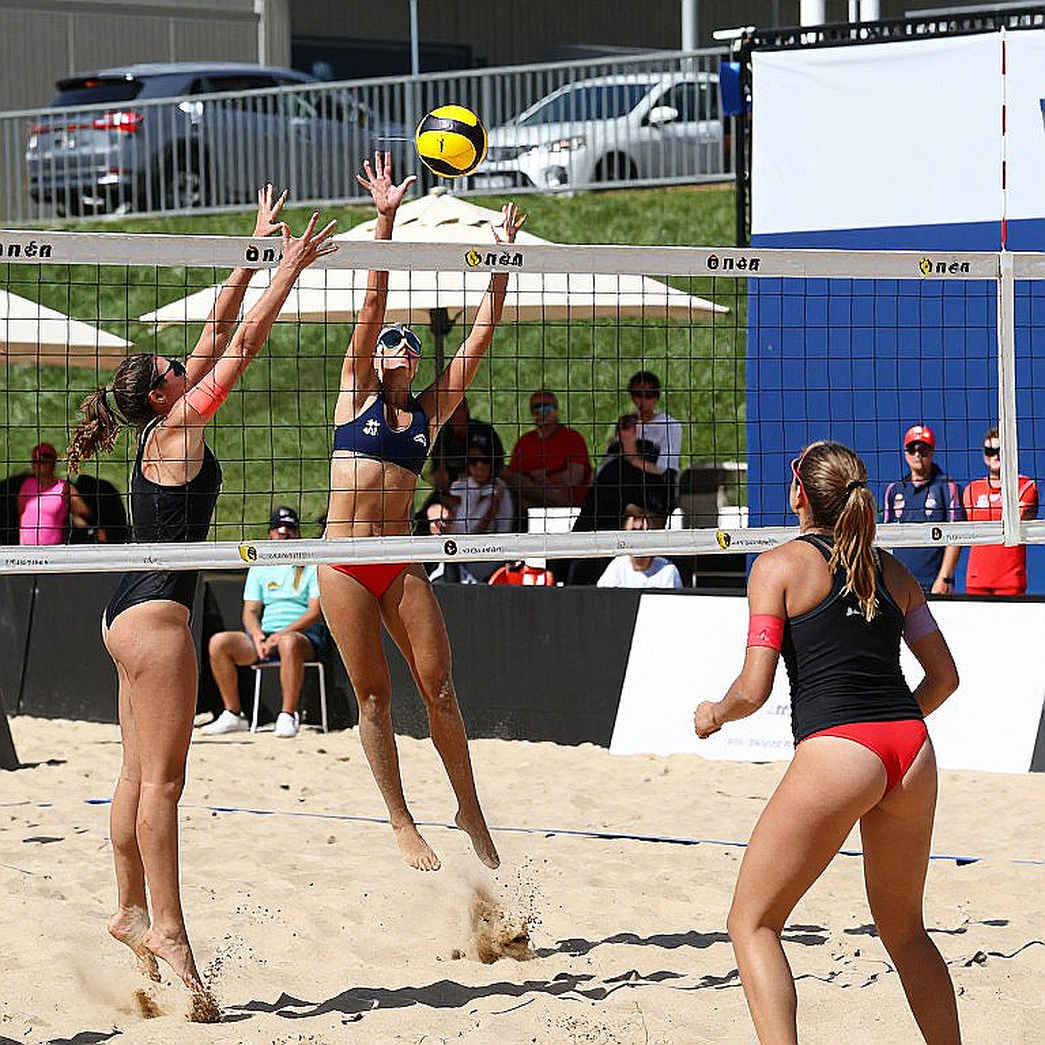
A team does not collapse on the eve of a match; it was planned from the first press conference. For Vietnamese volleyball, that plan was written in silence: the rehabilitation budget has no line of its own, nobody is paid to sit and record numbers, and a public statistics table is treated as a cost rather than an asset.
The counterintuitive angle sits here: more data does not automatically make volleyball better. If a club publishes a spiker's jump count without publishing the load-management plan, the number becomes an instrument of accusation. Fans will count, compare, and conclude the athlete is declining, when in reality the calendar thickened and the rotation thinned. Data without context is a rumour with formatting.
A second paradox: the domestic competition system exerts no pressure to be transparent. In volleyball economies with an active transfer market, a kept-secret MRI scan can shift the price of a deal. Here, transfers mostly happen inside relationships between governing units, so contracts do not need to carry medical files. When money does not flow through data, data is not produced.
The work required is far cheaper than inviting an electronic scoring provider, and there is no need to wait for a league to buy Hawk-Eye. Each club keeps a standardised injury log, on the same template, recorded weekly, sustained across at least three seasons. Three seasons is the minimum threshold for separating a pattern from a single match. Then add one column: jumps per week. Those two columns together are already enough to catch most overload cases early.
Injury is a language; if you never learn to read it, you will only hear groaning. Vietnamese volleyball sits exactly there: hearing very clearly, understanding very little. Unlike many other sports, the gap between hearing and understanding here does not need big money to close. It needs one person accountable for the record, and one coach willing to reread his own record after ten weeks.
When a middle blocker lands off-balance in the fourth set, her body has already sent a signal. Our job is to have somewhere to write it down.