
Brazil claim 16th straight South American women's volleyball title: the 3-0 win over Argentina and an unanswered question at opposite
**Câu trả lời cốt lõi (≤60 từ)**: Brazil đánh bại Argentina 3-0 (26-24, 25-19, 25-16) tại Maracanãzinho, vô địch bóng chuyền nữ Nam Mỹ lần thứ 16 liên tiếp. Ba tay đập ghi hai chữ số: Gabi 13, Bergmann 12, Tainara 11 điểm. Tuyên bố giành vé Olympic Los Angeles 2028 cần được xác minh theo điều lệ FIVB. **Dữ kiện chính**: - Brazil thắng cả 5 trận, không thua set nào tại giải châu lục ở Rio de Janeiro. - Gabi Guimarães ghi 13 điểm trong chung kết: 10 đập, 2 ace, 1 chắn. - Julia Bergmann vào từ ghế dự bị ghi 12 điểm; Tainara Santos thay thế ghi 11 điểm. - Rosamaria Montibeller được báo chí đưa tin dính chấn thương, chưa rõ mức độ. - Chưa có nguồn thống kê chính thức; hiệu suất tấn công và tỷ lệ phòng thủ chưa công bố. **Nguồn**: Bản tin về giải vô địch bóng chuyền nữ Nam Mỹ (CSV); các số liệu chưa được đối chiếu với FIVB hoặc Volleyball World. **Hỏi đáp liên quan**: - Hỏi: Brazil đã chắc suất dự Olympic 2028 chưa? Đáp: Chưa thể xác nhận, vì ở chu kỳ Paris 2024 giải châu lục không trực tiếp trao vé Olympic. - Hỏi: Chấn thương của Rosamaria nghiêm trọng không? Đáp: Bản tin không nêu chi tiết, cần theo dõi thông báo y tế chính thức. - Hỏi: Chiến thắng này chứng minh Brazil đủ sức vô địch thế giới? Đáp: Chưa, vì đối thủ châu lục thấp hơn đáng kể so với nhóm Ý, Mỹ, Serbia, Thổ Nhĩ Kỳ.
The first set closed at 26-24. It was the only moment Argentina forced the reigning champion to sweat in the South American Women's Volleyball Championship final at Maracanãzinho, Rio de Janeiro. The next two sets ended 25-19 and 25-16. Brazil completed a five-match campaign without dropping a single set, claiming the continental title for the 16th consecutive time and the 24th in history.
Based on my years of tracking Brazil's women's national team, the headline result was never in doubt. What deserves attention lies elsewhere: how this team functioned while missing a key link at opposite, and how an Olympic berth was announced without a clear verification mechanism.
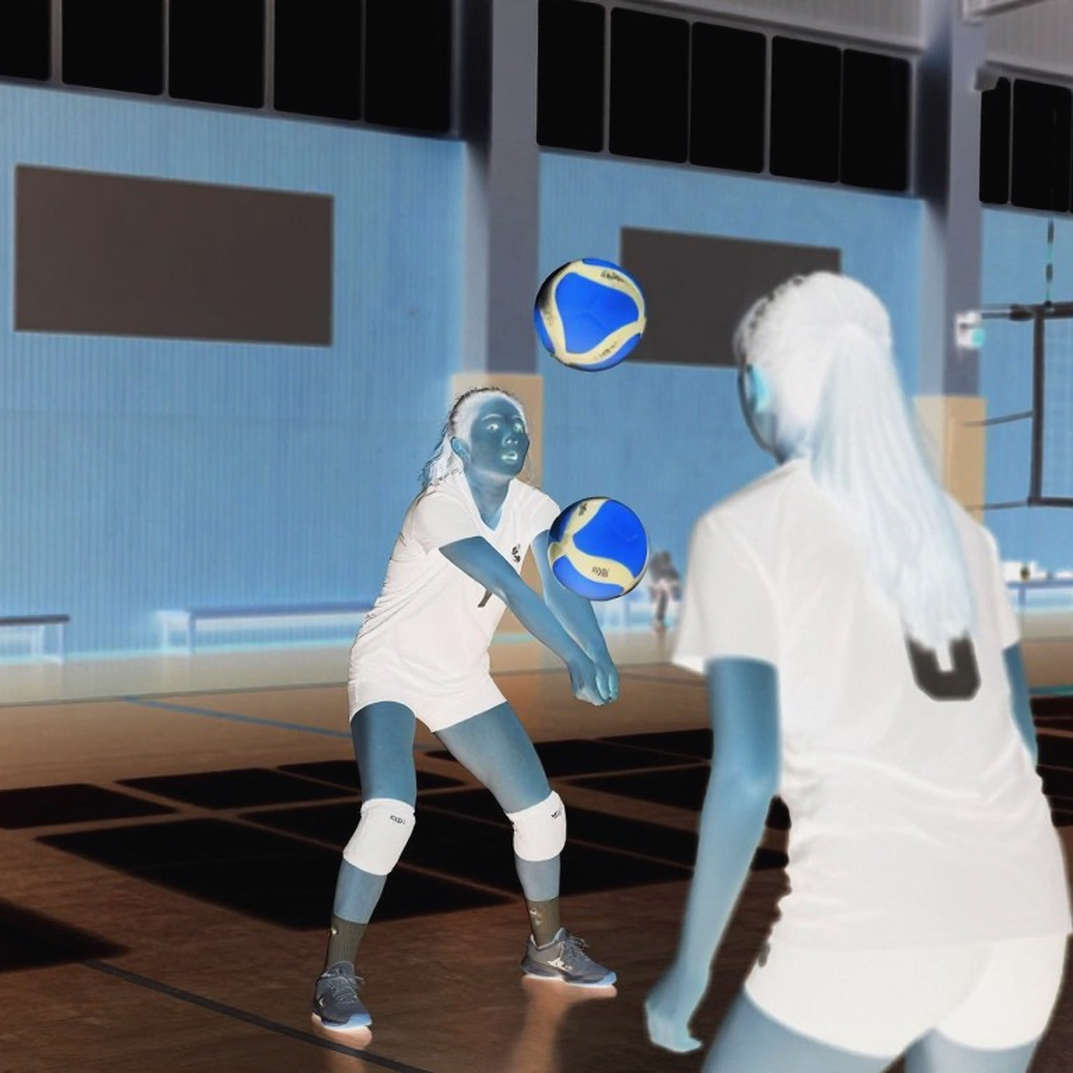
Context: a field it knows too well
The South American Championship is the kind of event Brazil habitually uses as a springboard. A single-venue round-robin, closing with a decider between the two unbeaten sides, turned the final day into a genuine knockout. Brazil won all five matches 3-0, meaning no set was prolonged and no starting attacker carried abnormal physical load. Argentina, also unbeaten into the final, confirmed its status as continental number two, but the gap at the top remained visible across three sets.
Maracanãzinho is more than a venue. It is the symbol of Brazilian volleyball, where earlier generations shaped the identity of the sport in South America's largest nation. Placing the tournament there was a deliberate choice: home advantage plus symbolic weight. For a team at its peak, playing in a legendary arena in front of a home crowd is the optimal way to win a title and build commercial image at once.
Core analysis: three attackers, one injury
The most notable element of the box score is distribution. Gabi Guimarães scored 13 points (10 kills, 2 aces, 1 block). Julia Bergmann came off the bench for 12 points (11 kills, 1 block). Tainara Santos, the replacement at opposite, scored 11 points (10 kills, 1 block), including the match winner. Three attackers in double digits signals a multi-point offense rather than dependence on a single cannon.
This is a meaningful structural signal. In elite women's volleyball, teams live and die at opposite. When Rosamaria Montibeller, reported by media as injured, could not take the floor, Brazil had to pivot to its backup plan. Tainara did not collapse. She scored 11 and closed the match. For a young player pushed into a role belonging to a cornerstone, that is an above-expectation result at continental level.
The roster structure also shows signs of managed generational transition. Using Bergmann off the bench and Tainara as injury cover indicates the staff is testing depth rather than optimizing only for the immediate result. For a program that has dominated the continent for nearly two decades, this is mandatory work: relying solely on Gabi invites a talent-cliff risk heading into the LA 2028 cycle.
But the data limits must be stated plainly. We have no attack efficiency, meaning kills divided by attempts. We have no perfect-pass rate. We have no blocks-per-set figure, no ace-to-error ratio. What we have are individual point totals from a single match, and the original report attaches no official statistical source from FIVB or the continental federation. That means every conclusion about quality, as opposed to outcome, must await verification.
A total of 10 kills could reflect high volume on mediocre efficiency, or low volume on elite efficiency. Without a denominator, we cannot tell the two apart. The spread scoring is a real signal, but a weak one, because it speaks to structure rather than class.
This is where my role as a team-physician liaison forces a pause. Rosamaria's injury and replacement is the most notable personnel event in the entire report, yet the report does not say what the injury is, how severe it is, or whether it is season-ending rather than temporary overload. Numbers do not lie, but bodies are skilled at keeping secrets. For a team building toward the 2028 Olympic cycle, missing information about the number-one opposite's injury is a far larger risk than any attack metric.
The 26-24 first set is also worth noting. That kind of scoreline often reflects the early information-exchange phase, when the stronger side has not yet read the opponent's serving rhythm and block system. Argentina disrupted one set, then Brazil adjusted and pulled away in the next two. That is the mark of a well-coached side, and simultaneously a sign that this team still needs time to settle into matches.
Contrarian angle: the berth needs verification
The Olympic berth is the part I want to verify most. The report states Brazil sealed qualification for Los Angeles 2028 through this continental title. The problem: under the Paris 2026 pathway, continental championships did not directly grant Olympic berths. Spots came through Olympic Qualifying Tournaments and world ranking, with continental-representation guarantees. If the report is correct, then FIVB or the continental federation has changed the qualification route for the LA 2028 cycle, which is a significant governance shift. If the report is inaccurate, the claim of a secured berth is an overstatement, and Brazil's true status depends on later events.
I lack enough data to conclude in either direction. But when a continental event is presented as a direct gateway to the Olympics without a cited regulation, readers have the right to ask. In 2026, I learned that intuition must bow to data, and here the regulatory data is missing.
There is another counterintuitive point. The win over Argentina is described in language of total dominance, but continental opponents are not Brazil's genuine competitive peers. Italy, Serbia, USA, Türkiye and China are the measuring stick. Winning South America tests no vulnerability. This is holding already-held territory, not a breakthrough. And an easy title can conceal problems exactly the way it conceals injuries: through silence.
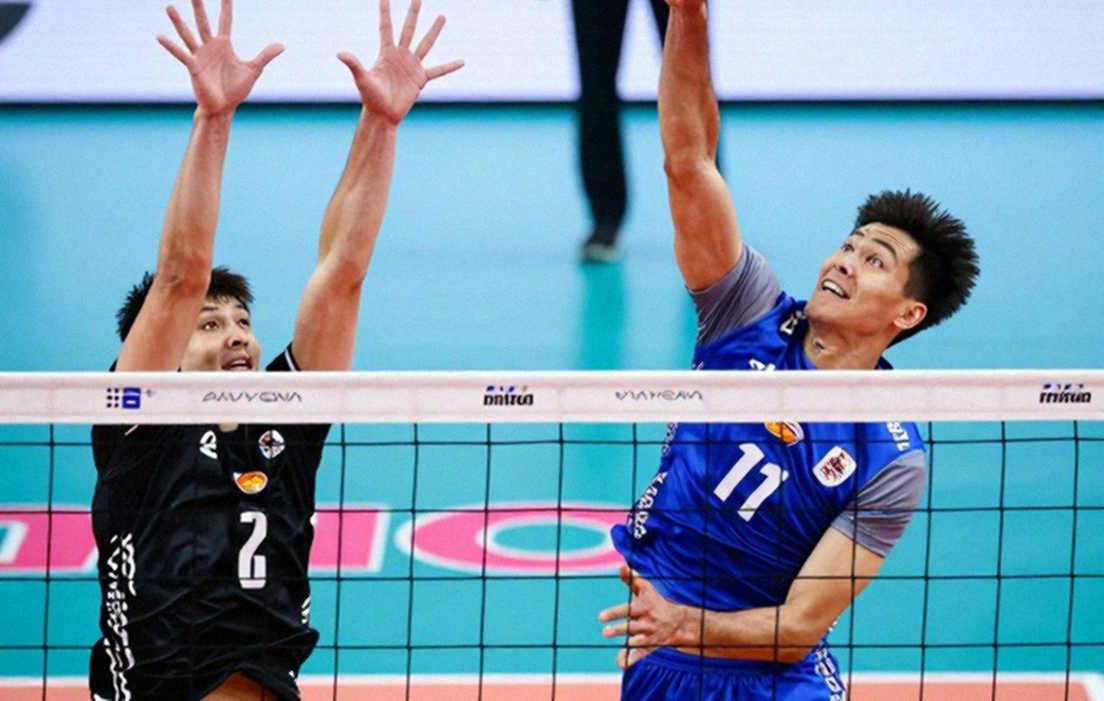
On the media side, the dominance framing reflects the result accurately but exaggerates the difficulty. This is a familiar trap for any continental champion: success against weak fields can manufacture false pressure once the world stage arrives. The Olympic cycle is where every continental gap is erased.
Anchor point: functional depth and three unknowns
Gabi returned after missing the VNL, led as captain and logged 2 aces, a sign she was used as a serving-pressure option alongside her attacking duties. Bergmann scored 12 off the bench. Tainara replaced and scored 11, including the match winner. In roster-management terms, this is evidence Brazil has functional depth, at least at continental level.
But the real questions sit in three unknowns: how serious Rosamaria's injury is, whether the LA 2028 berth is genuine, and whether this depth holds against European opposition or is merely a product of an easy field. Standing between doctor and player, I learned that silence is itself a finding: when nobody speaks about Rosamaria's injury, it may be protection, or it may be concealment.
Some injuries never appear in a medical report, because they live in a player's eyes, or in the lines that were edited out. Brazil did its job on the court. The remaining work is waiting for the qualification mechanism to be confirmed, and waiting to see whether Tainara's arm is enough for a four-year cycle.