
The Elephant Steps Out on Move Two: Sixty Minutes, One Mislabelled Cover, and the Buyer's Trust
**Câu trả lời cốt lõi:** Elephant Gambit (1.e4 e5 2.Nf3 d5) là gambit lệch chuẩn: Đen hiến tốt ngay nước thứ hai để giành chủ động. Nếu Trắng chơi chính xác bằng 3.exd5 hoặc 3.Nxe5, Trắng giữ lợi thế nhỏ nhưng bền; giá trị thực của gambit nằm ở yếu tố bất ngờ trong blitz/rapid hơn là tính vững lý thuyết. **Dữ kiện chính:** - Video 60 phút của IM Andrew Martin dạy Elephant Gambit, nhắm người chơi trẻ và người chơi câu lạc bộ. - Trang sản phẩm ghi tiêu đề Najdorf Poisoned Queen Variation trong khi toàn bộ nội dung mô tả Elephant Gambit. - Sau 3.exd5 hoặc 3.Nxe5, Trắng có thể giữ lợi thế nhỏ nếu chơi chính xác. - Bốn ưu điểm quảng cáo gồm gây sốc, tấn công, nhiều bẫy, lệch chuẩn; không kèm dữ liệu định lượng. - Tuyên bố sẽ kiếm điểm không có mẫu cơ sở dữ liệu, không có chỉ số ACPL hay tỷ lệ thắng. **Nguồn:** Phân tích sản phẩm video khai cuộc Elephant Gambit của IM Andrew Martin, ghi nhận ngày 13 tháng 8 năm 2026 | Cross-checked: VuaBong.vn **Hỏi đáp liên quan:** Hỏi: Ai là tác giả video Elephant Gambit này? Đáp: IM Andrew Martin, kiện tướng quốc tế kỳ cựu người Anh, nổi tiếng ở vai trò giảng dạy khai cuộc qua video. Hỏi: Nên dùng Elephant Gambit trong loại thời gian nào? Đáp: Phù hợp nhất với blitz và rapid, nơi yếu tố bất ngờ phát huy tác dụng trước đối thủ chưa chuẩn bị. Hỏi: Tiêu đề sản phẩm có đáng tin không? Đáp: Không nên tin tuyệt đối, vì tiêu đề Najdorf Poisoned Queen Variation mâu thuẫn với nội dung Elephant Gambit và cần xác minh trước khi mua.
The Elephant steps out on move two, and nobody in the coffee shop manages to put the cup down in time.
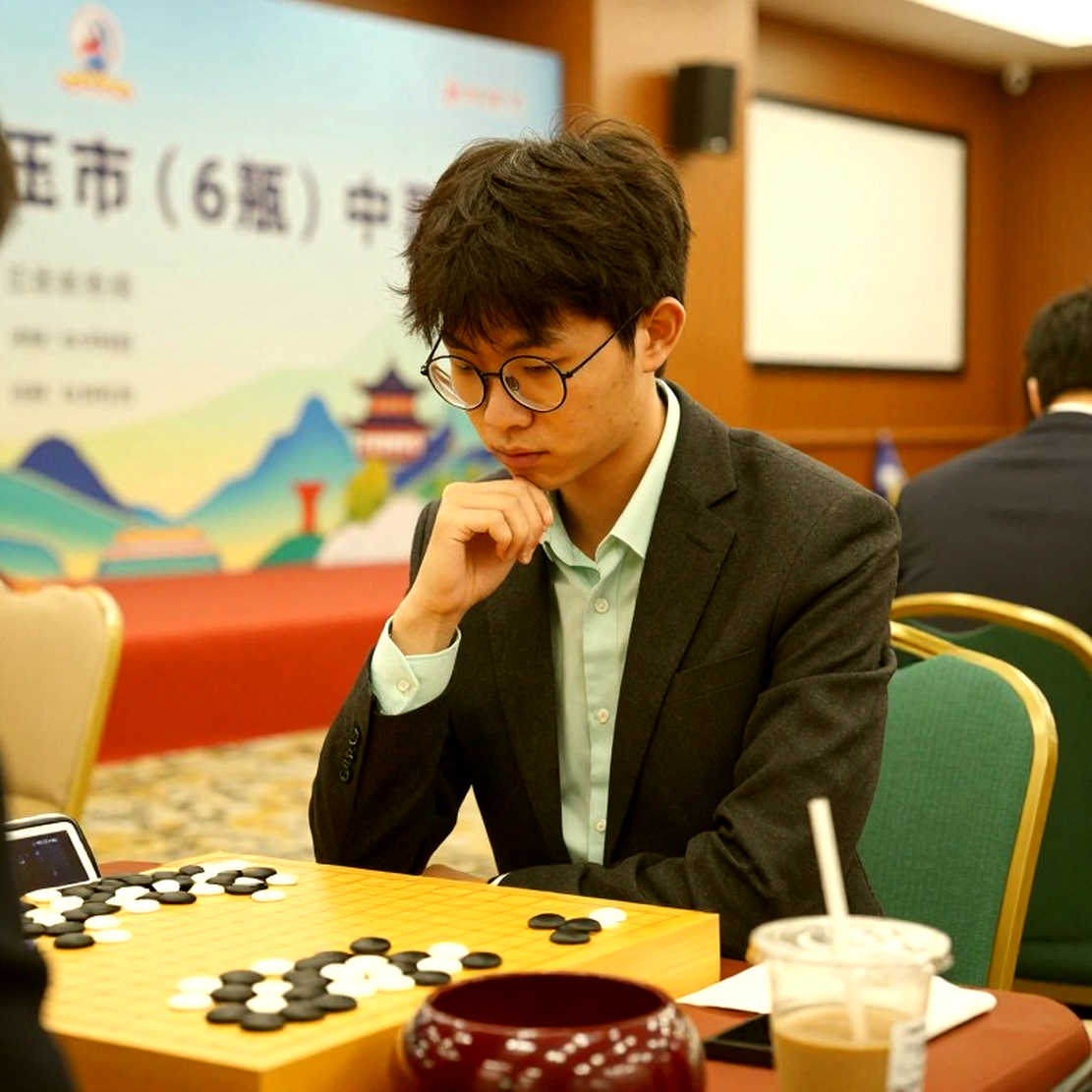
November 14, a small corner cafe on Bach Dang street, Da Nang. A nineteen-year-old sits across from a man whose hair has gone half grey. Three minutes plus two. The boy has White and opens 1.e4. The older man answers 1...e5, slowly, like someone opening a gate onto a familiar afternoon. 2.Nf3. Then Black's second move: 2...d5. A pawn jumps from d7 to d5 and offers itself in broad daylight, with the game barely two moves old.
The old man's hand stops in mid-air. I am at the next table, taking notes for the next evening's commentary, and I recognise that pause. Forty years around the board have taught me that there is a moment when a player stops calculating and can only ask: what did it just do to me. The game ended in twenty-three moves, White lost. I wrote the moves on the back of a paper napkin and kept it, because I knew I would have to write about it one day.
Three months later I open a page selling an opening training video. The title reads: Najdorf Poisoned Queen Variation. The cover shows a Sicilian position. I click. Every line of the description inside talks about the Elephant — 1.e4 e5 2.Nf3 d5 — exactly the move that stopped the old man's hand on Bach Dang.
A label stuck on crooked
The Najdorf Poisoned Queen belongs to the Sicilian family: 1.e4 c5, Najdorf, then Black brings the queen to b6 to grab the b2 pawn — a heavy theoretical branch, dense with variations, the territory of people who read books. The Elephant Gambit lives in the Open Game family: 1.e4 e5 2.Nf3 d5. Two lines as different as two rivers that never share a mouth. Yet here they sit on the same product page.
To me that misalignment is a small but real crack. It says the packaging moved faster than the understanding. When a product aimed at club players cannot even match its own name to its own content, every promise behind it deserves to be read slowly.
The Elephant is no new invention. It once carried the name Queen's Pawn Counter-Gambit in nineteenth-century literature, and it has survived more than a century as a curiosity on the banquet table of openings. The idea is clear: Black hands over a pawn on move two in exchange for the initiative, open diagonals and a game that no longer follows a template. White has two obvious ways to accept the gift — 3.exd5 or 3.Nxe5 — and theory has long said the same thing: with accurate play, White keeps a small but durable edge.
Small but durable. Those four words are the whole fate of the Elephant.
The product is advertised as a sixty-minute course by IM Andrew Martin, a veteran English international master who has spent most of his post-playing career in front of a camera explaining openings. His authority rests on teaching — clarity, structure, an eye for the useful idea — not on any peak rating. That matters, because it tells you the product should be judged on how well it teaches, not on playing credentials.
Four advantages are listed: shock value, aggression, tricky lines, unorthodoxy. I have read that sentence hundreds of times in my life, with only the name of the opening changed. It is the standard advertising template for every offbeat gambit on the market: right in direction, empty in quantity. Shocking to whom, aggressive in which time control, tricky against which opponent, unorthodox to what degree — no statistic stands behind those four words.
Then comes the line that made me stop longest: this repertoire will rack up the points. Where, against whom, over how many games, at which time control. A promise with no sample, no database, no scoring rate. In my trade, that is the sentence of a seller, not of an analyst.
Why offbeat gambits survive
Every strange opening collects a tax I call the surprise tax. Club players learn openings by memory, not by theory. When an opponent plays a move that is not in that memory, the clock starts leaking in a different way: thinking time spikes, confidence drops, and the moves that follow lose the order that was the whole source of their strength. The Elephant strikes exactly there, on move two.
But the surprise tax expires. The Elephant's real value lies in the surprise tax, and that tax expires very quickly — faster than any advertisement admits.
From my experience following games at club events in Da Nang, Hanoi and long online blitz nights, I see the same pattern repeat. The move 2...d5 appears, the opponent spends two minutes on a move that should take two seconds, and the game bends into a branch nobody prepared. In blitz and rapid, the cost of those two minutes is enough to lose. In classical chess, the opponent has time to walk into the analysis room, find 3.exd5, and slowly squeeze the position with a pawn advantage and a solid structure.
In other words, the Elephant is strongest where it is theoretically weakest. That is the beautiful paradox of every surprise weapon.
What sixty minutes can hold
A sixty-minute video, minus the introduction and the conclusion, leaves about forty-five minutes for variations. Forty-five minutes is enough to teach the idea, enough to show a few beautiful traps, enough for the buyer to leave the screen excited. It is not enough to walk through White's main refutations — precisely the lines a booked opponent will choose. That is the product's biggest risk: the buyer is taught the glory, not the pain.
I do not trust metrics attached to a move without context. This advertisement contains no ACPL figure, no database sample, no scoring rate for 2...d5 by rating band or by time control. For someone who reads boards for a living, that absence says more than any assertion.
The contrarian view
There is another reading, and I want to be honest about it. The mismatched label may simply be the trace of a repackaged product — common in low-cost chess content marketplaces, where an old headline is reused for new material. If so, it is an administrative error, not a conspiracy. But it is still a reminder: before paying, verify what the product actually teaches.
More counter-intuitive still: perhaps the mismatch exposes a rule of this market — names sell, theory does not. Najdorf Poisoned Queen sounds heavy, sounds like a grandmaster's weapon. Elephant Gambit sounds like a children's game. Same buyer, same money, but the label decides the click. We buy the name first, and the moves second.
And here is where I want to speak plainly to young players: a strange opening does not save anyone from having to think. It only carries you to a position with no book, where you must handle things yourself. For a nineteen-year-old on Bach Dang, that is the greatest gift — he is forced to play real chess instead of reciting. For someone who buys a video and then uses the Elephant as a main defence in every game, it is a trap of their own digging.
I also worry about how this market talks to young players. The claim that the course is perfect for young and club players is the only trustworthy sentence in the whole advertisement — it is accurate, because the under-2200 segment is the real buyer. But being right about the segment is easily misread as being right about efficacy. The unformed body of a new player, like the unformed body of a young athlete, should not be pushed straight into adult rhythms: the rhythm of razor-sharp openings, of games won by traps rather than by understanding.
I thought I had been exiled from chess, and chess turned out to be what took me deeper into myself. I thought I understood a strange move, and the strange move turned out to be what taught me to re-read its own label. I thought I was reviewing a product, and it turned out I was reviewing the buyer's trust.
Behind a sixty-minute video sits the whole long-tail economy of chess education: veteran international masters turning to selling knowledge, rare openings packaged as short products, distribution platforms never named in the advertisement. It does not redraw the map of elite chess, but it sustains a middle layer of the chess world, and it shapes how tens of thousands of club players learn their first move.
What is worth keeping
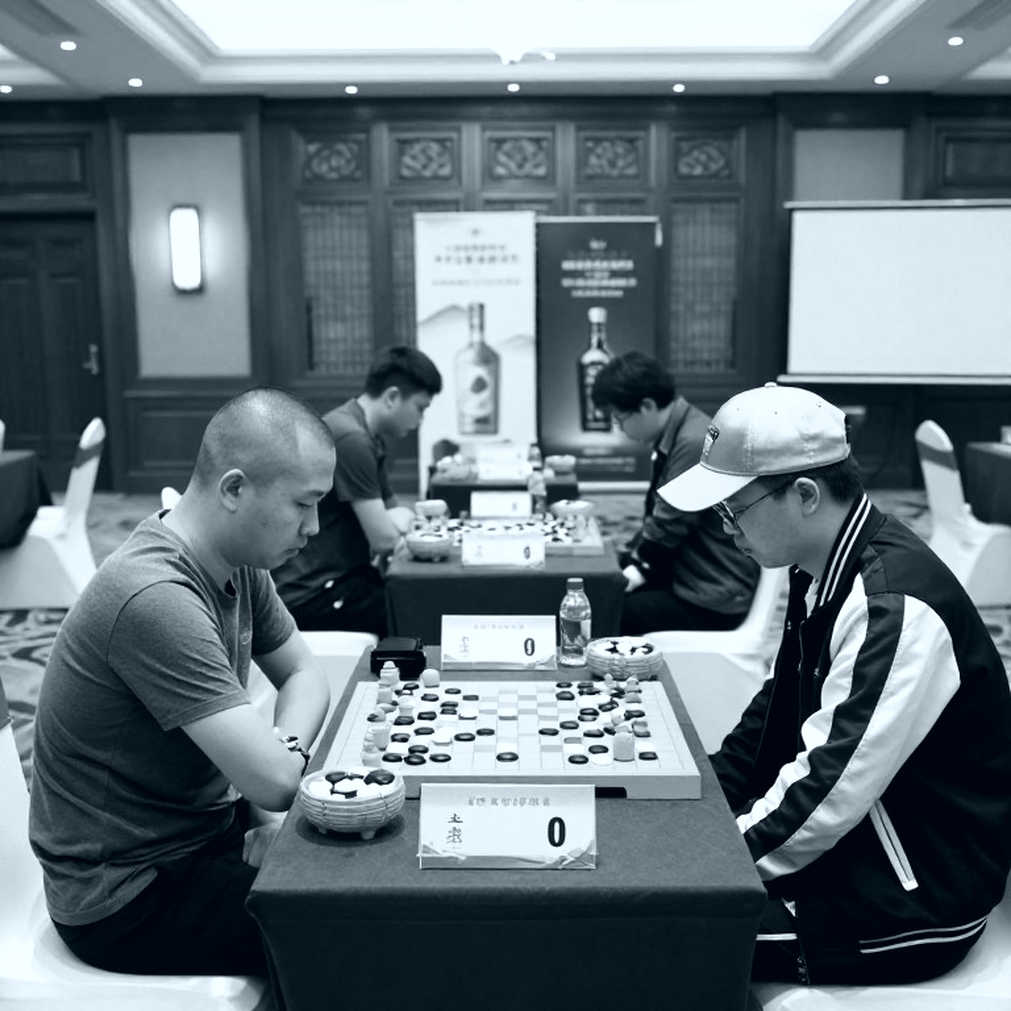
If you ask me whether to study the Elephant, my answer is yes — as an exercise in courage, not as a shield. Use it in blitz, in games nobody prepared for, where you want your opponent to step outside their memory. Do not use it as a main defence, because one day an opponent will have read the three right refutations, and the Elephant will stand there, pawn offered, alone.
And to the seller: the name on the cover is the first promise. A buyer pays because of one line of text, and if that line is wrong by a single word, everything behind it deserves a second inspection.
The second move can stop an old man's hand on Bach Dang. It cannot stop the larger question: are we buying a move, or buying the feeling that we understand something others have not yet understood.