
Vietnamese Martial Arts Between Two Arenas: When the Numbers Go Uncounted
core_answer: Võ thuật Việt Nam bước vào đấu trường quốc tế muộn hơn khu vực gần hai thập niên, và khoảng cách lớn nhất không nằm ở con người mà ở hệ thống dữ liệu: thiếu chỉ số kỹ thuật, thiếu khoa học thể thao và thiếu quản trị minh bạch, khiến thành công cá nhân khó được lặp lại.
key_facts: Nguyễn Trần Duy Nhất ký hợp đồng với ONE Championship năm 2019 sau nhiều đai vô địch thế giới WBC Muay Thái.; Việt Nam gia nhập thể thao đối kháng hiện đại muộn hơn Thái Lan, Philippines và Singapore gần hai thập niên.; Cắt cân 5-8kg trước trận không được giám sát bằng dữ liệu làm tăng rủi ro chấn thương và suy nhược.; Không có giải đấu trung gian đủ mạnh khiến võ sĩ trẻ hoặc bị đẩy lên quá sớm hoặc mắc kẹt ở sân nhà.
source_attribution: Phân tích chuyên sâu dựa trên dữ liệu quan sát thi đấu đa môn của tác giả, tổng hợp tháng 10 năm 2024.
related_qa: question: Vì sao võ thuật Việt Nam thiếu dữ liệu phân tích?, answer: Do không có trung tâm phân tích video, chuyên gia dinh dưỡng toàn thời gian và cơ sở dữ liệu đối thủ ở cấp hệ thống.; question: Rủi ro lớn nhất của võ sĩ Việt Nam là gì?, answer: Chấn thương não do va chạm lặp lại và việc cắt cân không được giám sát, khi kiểm tra y tế định kỳ gần như chưa tồn tại.; question: Điều gì quyết định sự phát triển bền vững của nền võ thuật?, answer: Một hạ tầng lặng lẽ gồm dữ liệu, khoa học thể thao, quản trị minh bạch và sự kiên nhẫn đầu tư dài hạn.
In September 2026, in Manila, I sat in the seventh row of a packed arena, watching a Vietnamese fighter step into the octagon for his international debut. Three weeks earlier, I had sent the organizers a list of requests: strikes per round, accuracy rate, average distance, successful defensive moves. The reply I received was a polite shrug. No one counted. No one recorded. No one thought those numbers mattered. In a country where martial arts run deep in the blood, the most neglected thing of all is data — the only material that can prove whether a fighter is improving or quietly fading. An empty chair never lies — it only exposes what we do not want to hear.
Vietnam has a formidable traditional martial arts heritage, with Vovinam and dozens of schools stretching from north to south. But when it comes to modern combat sports — boxing, Muay Thai, MMA — the country entered the international stage nearly two decades later than Thailand, the Philippines, or Singapore. That gap is not about people. It is about systems.
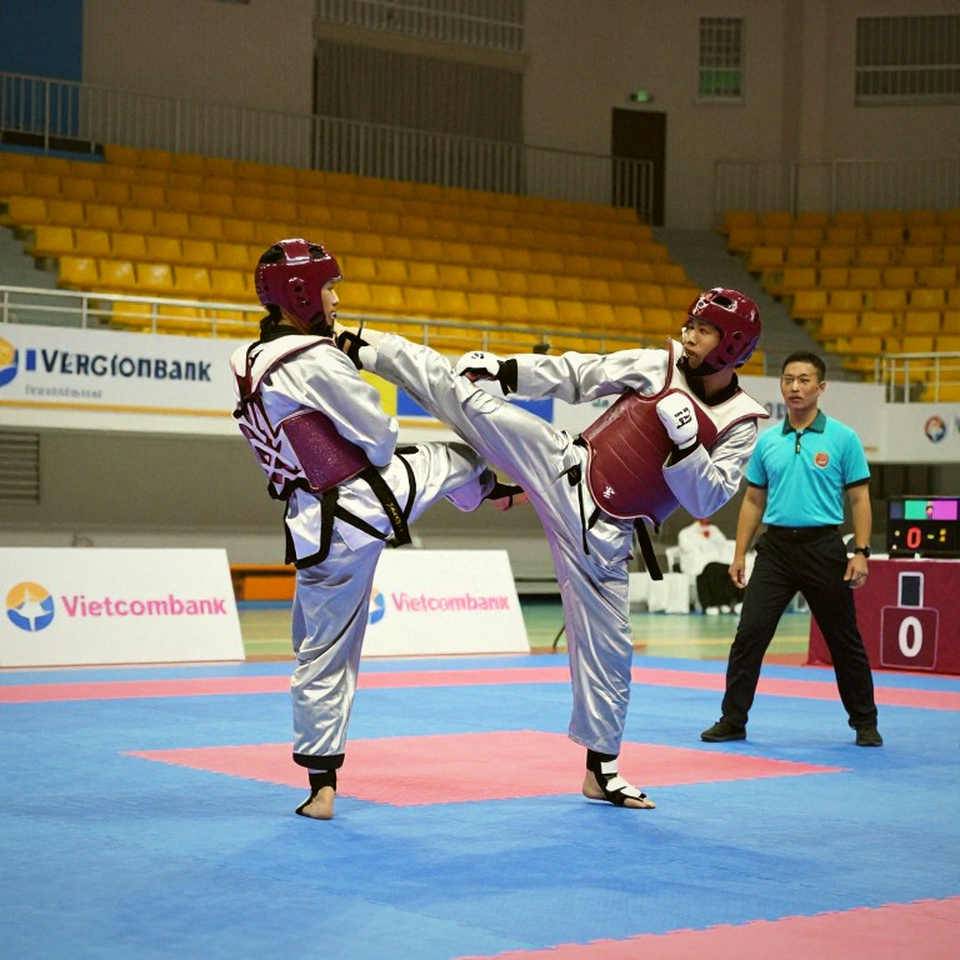
Nguyễn Trần Duy Nhất, a Muay Thai fighter who has won multiple WBC world titles, is the clearest example. When he signed with ONE Championship in 2026 and stepped into the octagon, the whole country watched. But behind that individual performance was a backstage machine that was almost empty: no video analysis center, no full-time nutritionist, no opponent database. A top Vietnamese fighter walked onto the international stage carrying mainly instinct and experience — precious things, but unmeasurable, and therefore impossible to replicate.
We learn nothing from what goes right — only from what falls out of rhythm. To recognize which rhythm is off, we must first measure. That is what the Vietnamese martial arts world has not done.
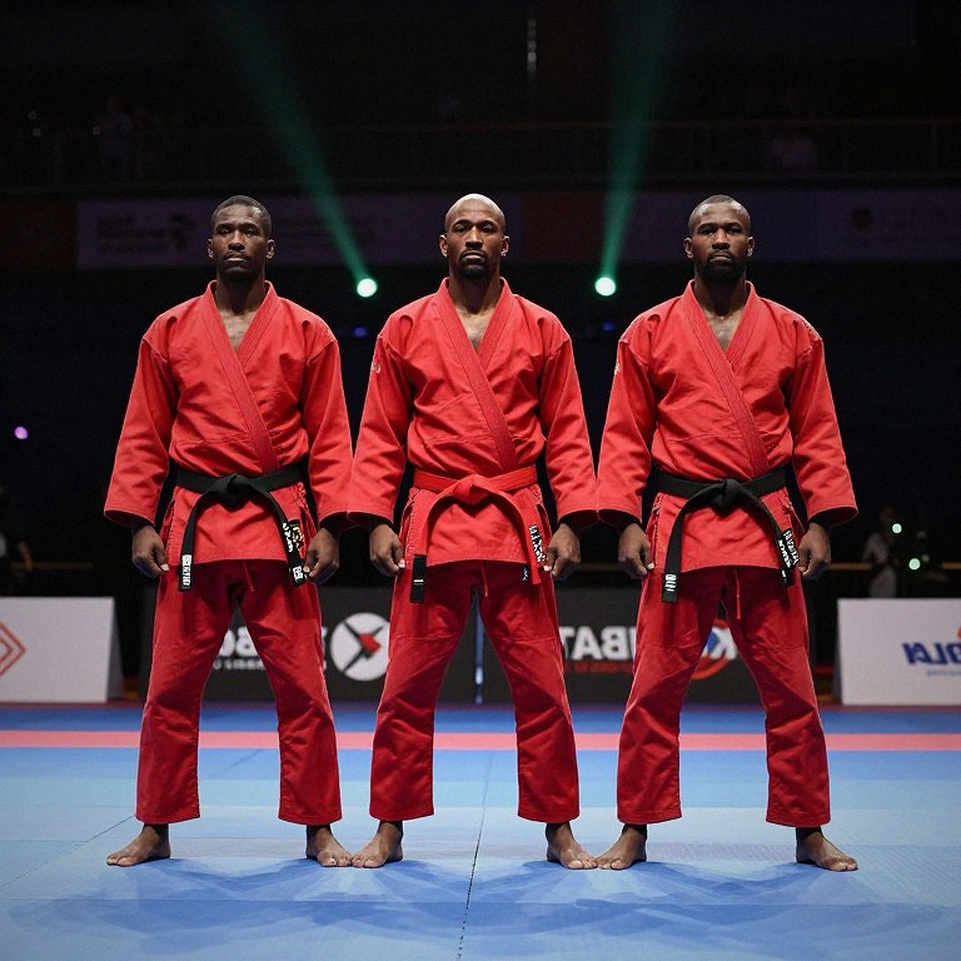
I have spent most of my career reporting on Olympic sports, where everything is digitized to an obsessive degree. A swimmer has a split-time profile for every 50 meters. A track athlete has speed data for every segment. When I turned to covering martial arts, I found a paradox: this is the most physically punishing of sports, yet it is the most sparsely documented in terms of data. And in Vietnam, that paradox runs even deeper.
Technical and tactical analysis is where the gap is most visible. In a professional MMA or boxing match, each fighter can be measured by dozens of metrics: strikes per minute, significant-strike accuracy, strikes absorbed, defensive capability, moments of lost focus. Vietnamese fighters step into the ring barely knowing how their opponent wins or why they lose. That is systematic information blindness, and it reduces every tactic to guesswork.
I once sat with a boxing coach in Ho Chi Minh City before an international bout. He opened his phone, scrolled through a few social media clips of the opponent, and said: "This is all I have." No full-match footage, no statistics, no trend analysis. A professional coach was preparing his student with exactly what any fan could watch. The distance between insider and outsider was almost zero.
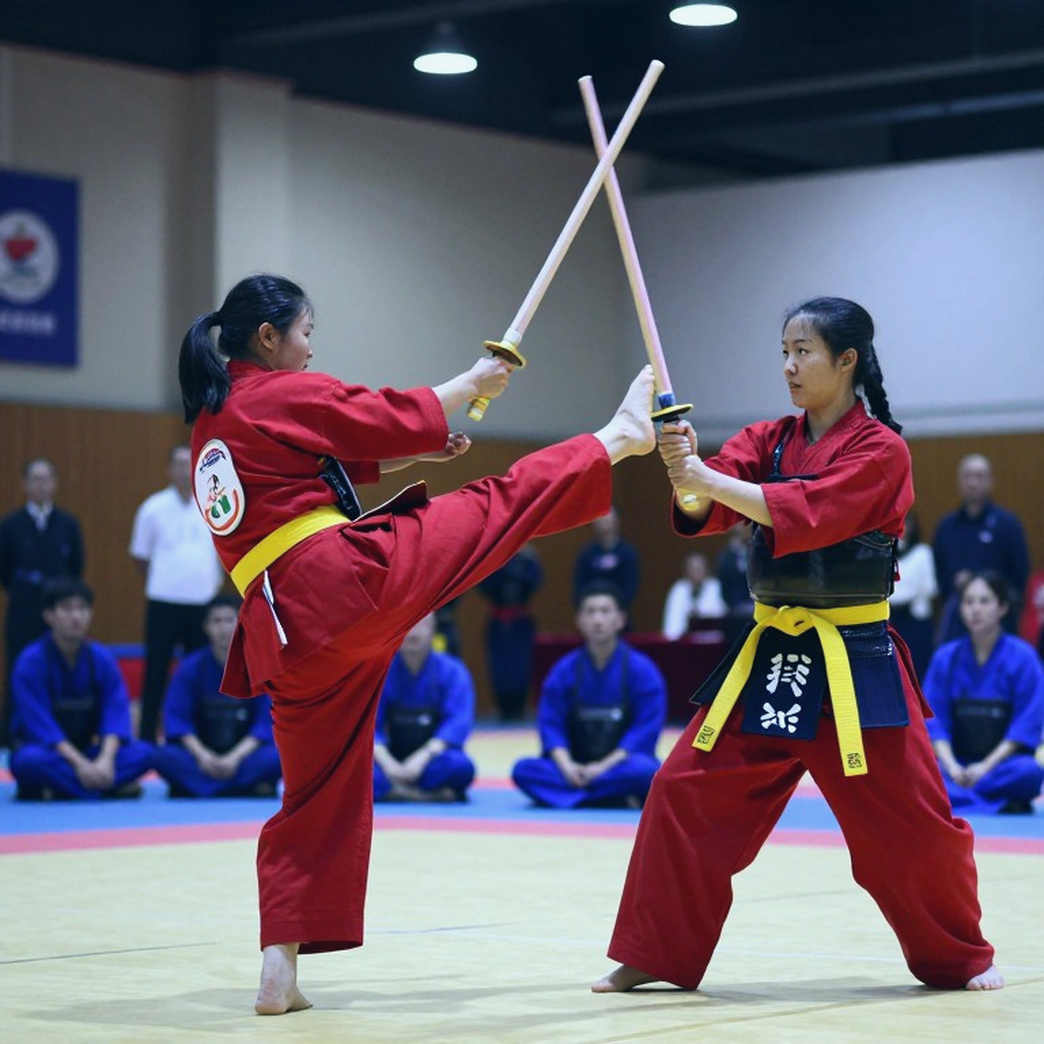
Condition and career longevity is the second neglected dimension. In combat sports, weight-cutting is one of the greatest risks. A fighter may lose 5-8kg in a few days before weigh-in, then rehydrate before the bout. If this process is not monitored with data — weight, body-fat ratio, electrolytes, recovery time — the consequences can be collapse, injury, even life-threatening danger. In Vietnam, very few fighters have a nutritionist alongside them. They cut weight on word-of-mouth experience and pay for it in exhausted final rounds.
A fighter's career longevity is also not tracked as a curve. A track athlete knows exactly which stage of their career they are in thanks to performance data. A Vietnamese fighter usually only realizes they have passed their peak after losing several bouts in a row — too late to adjust. Figures like Trương Đình Hoàng, who won a WBA Asia title, are exceptions of personal grit; but personal grit cannot replace a collective tracking system.
The organizational landscape reveals an incomplete tiering system. At the top, ONE Championship — headquartered in Singapore — is where Vietnamese fighters long to reach. Below it are domestic promotions, where purses are low and conditions uneven. Between the two lies a large gap: there is no intermediate competition strong enough for fighters to accumulate international experience before entering the big stage. The result is that young talents are either pushed up too early or stuck at home until their time runs out.
The business model of Vietnamese martial arts still depends on a few star individuals. When a fighter like Nguyễn Trần Duy Nhất competes, attention spikes. When he is absent, the whole platform goes silent. Most fighters' income comes from small bouts, personal sponsorship, and teaching work. There is no professional contract system, no pension fund, no comprehensive injury insurance. A sport cannot grow sustainably when its core workers have no safety net.
Rules and governance is the area where the lack of transparency sparks the most controversy. Referee decisions, scoring methods, and the use of assistive technology are all sore points. In boxing and MMA, the room for subjective judgment is larger than people think. The criterion of "clear and obvious" in the rulebooks is itself an ambiguous clause. When there is no data to cross-check, every dispute becomes pure sentiment, and fans' faith in fairness erodes.
Health and career risk is the dimension I worry about most. Brain injury from repeated impacts is a silent hazard. In developed sports nations, fighters undergo regular medical checks, are monitored for concussion signs, and are advised to retire when necessary. In Vietnam, such mechanisms barely exist. A fighter can compete in dozens of bouts without ever taking a serious neurological test. What you measure on the screen is not the excitement — it is what you hear in the silence. And in that silence, the damage accumulates, waiting for the day it surfaces.
The public narrative revolves around emotion more than data. Vietnamese fans love martial arts with their hearts, and that is beautiful. But when expectations are built on inspiration rather than information, the gap between hope and reality produces shocks. A fighter hailed after a few wins can be turned on after a single loss. The public has no tools to judge accurately, so it judges by emotion — and emotion changes faster than truth.
Industry transmission is the final dimension, and the foundation for all the others. Upstream, gyms and training halls are where talent is born. But if those gyms are not connected to the professional competition system, not trained in sports science, then the supply will remain raw. Midstream, event organizers need data to build a compelling product. Downstream, media and the fan market need information to stay engaged long-term. When one link breaks, the whole chain slows down.
There is a widespread view that Vietnamese martial arts are growing strongly, that the appearance of fighters on the international stage is proof of maturity. I do not deny those strides. But I believe we are confusing individual achievement with system development. A few successful fighters can be the exceptions of a weak system, not the evidence of a strong one.
The biggest blind spot is this: we celebrate what is visible — victories, championship belts, knock-out moments — and ignore what cannot be measured. Yet it is precisely the unmeasurable things that determine lasting success. A sport cannot live on bright flashes alone. It needs a quiet infrastructure: data, science, governance, and patience.
I mispronounced a name, but the system mispronounced all of us. The story of a name read wrong during a broadcast is not an individual error. It is the trace of a system that ranks people by standards it does not itself make transparent. In Vietnamese martial arts, there are talented fighters who are never mentioned, not because they are weak, but because the system has no tool to see them. The empty chair in the stands, the name not called out on the fight card — these are the traces of a structure operating wrongly.
Martial arts is a science of positioning. Rhythm, distance, timing of the strike, and respect for the opponent — these are what distinguish someone who masters the arena from someone who merely survives. But to master, one must first understand oneself. And understanding oneself begins with daring to measure what has never been measured.
If tomorrow a Vietnamese fighter reaches the top of the world, the question I want to ask is not how he won. It is: do we have enough data to understand why he won, and to repeat it with the next one? When the answer is still a blank, the empty chair keeps exposing what we do not want to hear.