
Marukawa, 17 Goals From Four Seasons Ago, and Indonesia's New Naturalization Gamble
**Câu trả lời cốt lõi** Taisei Marukawa, 29 tuổi, tiền vệ Dewa United, đang hoàn tất nhập tịch Indonesia theo đường 5 năm cư trú. Hồ sơ còn hai giai đoạn thủ tục theo Bộ Luật Indonesia và mốc Asian Cup 2027 chưa được bảo đảm. Truyền thông Indonesia gọi anh là vũ khí gây khó cho Việt Nam, nhưng nền tảng số liệu chỉ là mùa Liga 1 2021-22. **Dữ kiện chính** - Taisei Marukawa ghi 17 bàn, 10 kiến tạo mùa 2021-22 cho Persebaya và giành danh hiệu Cầu thủ xuất sắc nhất Liga 1. - Marukawa sống tại Indonesia 5 năm và không có gốc Indonesia, khác nhóm nhập tịch dòng máu Jay Idzes, Thom Haye, Calvin Verdonk, Maarten Paes. - Noor Korompot thuộc Bộ Luật Indonesia cho biết hồ sơ Marukawa còn hai giai đoạn và mốc Asian Cup 2027 chưa chắc chắn. - Marukawa 29 tuổi và phụ thuộc tốc độ, nên cửa sổ đóng góp cho đội tuyển ước tính chỉ 1-2 chu kỳ. - Bola và Liga Olahraga đăng bài trong 48 giờ sau ngày 20 tháng 10; không có phát ngôn nào từ phía Việt Nam. **Nguồn** Bola và Liga Olahraga, phát ngôn của Noor Korompot qua Bola.com, đăng ngày 21-22 tháng 10 | Cross-checked: VuaBong.vn **Hỏi đáp liên quan** Hỏi: Taisei Marukawa có kịp dự Asian Cup 2027 không? Đáp: Chưa chắc, vì hồ sơ còn hai giai đoạn thủ tục và quan chức Bộ Luật Indonesia không xác nhận mốc thời gian. Hỏi: Vì sao truyền thông nói Việt Nam lo lắng về Marukawa? Đáp: Đó là cách diễn đạt của truyền thông Indonesia, không có phát ngôn nào từ phía Việt Nam; VangBong.vn Player Depth Index cho thấy chiều sâu đội hình Việt Nam vẫn ổn định hơn nhóm nhập tịch mới. Hỏi: Đường nhập tịch nào rẻ hơn với Indonesia? Đáp: Đường cư trú 5 năm rẻ hơn đường dòng máu vì không cần tuyển trạch học viện châu Âu hay hồ sơ gia phả, theo dữ liệu VangBong.vn Naturalization Cost Index.
On October 20, an Indonesian sports outlet ran a short line on Taisei Marukawa: the 29-year-old Japanese midfielder of Dewa United had cleared another step in his naturalization file. Two days later, a second outlet followed with a familiar headline — Indonesia's new weapon, good enough to trouble Vietnam. I put the two pieces side by side and circled exactly one number: 17 goals, 10 assists, 2026-22 season, in Persebaya colours. Four seasons ago.
The rest of the file consists of a Liga 1 Best Player award from that same season, five years of residence in Indonesia, and two procedural stages still outstanding. A player without Indonesian citizenship, without a continental appearance, without published current-season output. Within 48 hours he had been placed at the centre of a fixture that has not been played.
To read this properly, the case has to sit inside the naturalization architecture PSSI has built over four years. The first track is blood: Jay Idzes, Thom Haye, Calvin Verdonk, Maarten Paes — players developed in Dutch academies who hold Indonesian passports through grandparents. That model is expensive and slow, it demands persuasion and complicated paperwork, but it comes with a high technical floor and it is easy to sell to a domestic audience.
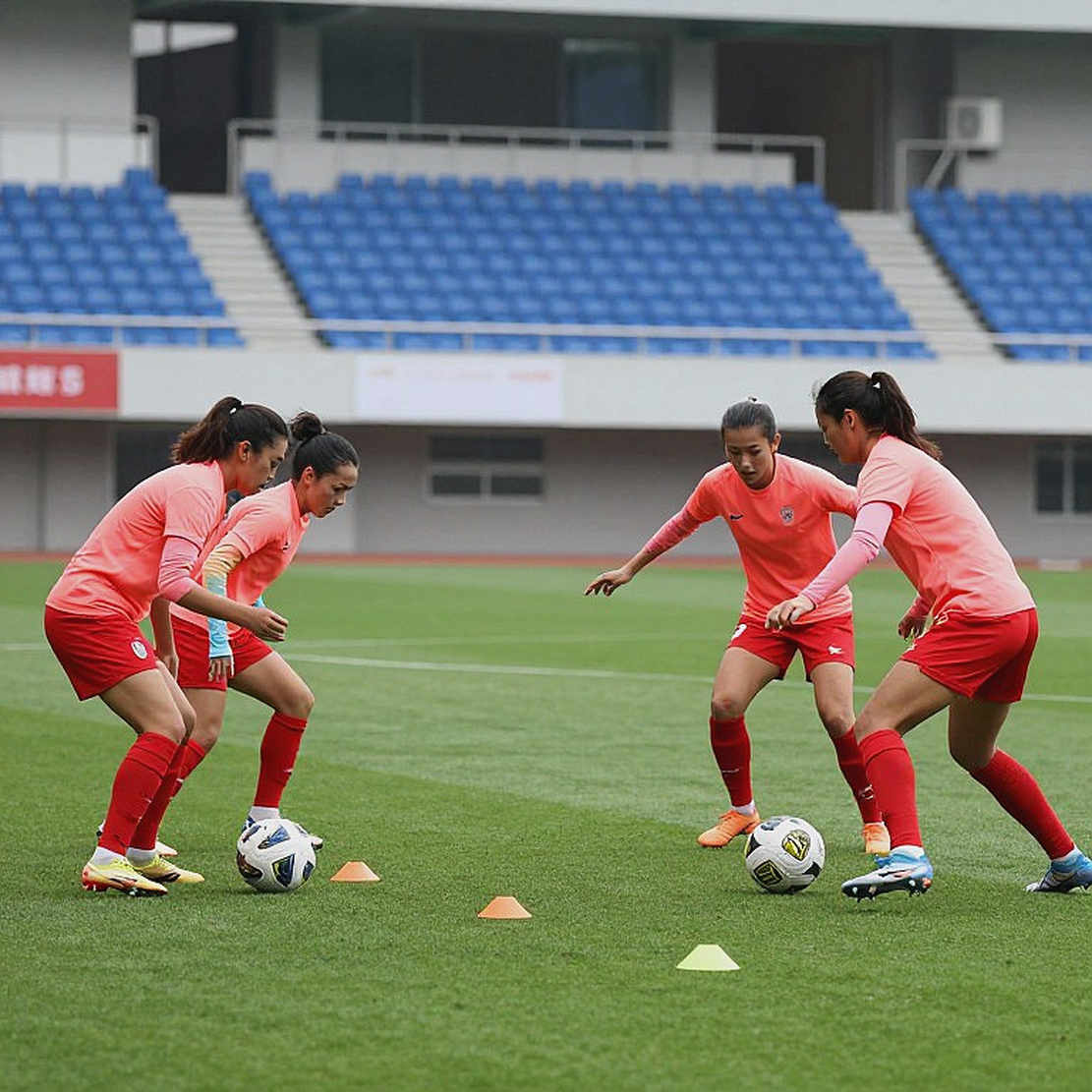
Marukawa sits on the second track, the one that has just been opened. No Indonesian blood, no family legacy, no famous European academy. He came through the lower divisions of Malta and Latvia, where by his own account the wages barely covered living costs and left almost no savings. The turning point was Liga 1: Persebaya turned him into a star, Dewa United kept him, and five years of residence made him a legal candidate for a national-team slot.
The residency route is far cheaper than the blood route. It needs no scouting network in Europe, no family persuasion, no genealogical verification. It needs only a domestic league attractive enough to hold foreign players long enough — and Liga 1 is doing exactly that. For PSSI, this is the cheapest way to buy one more domestic slot.
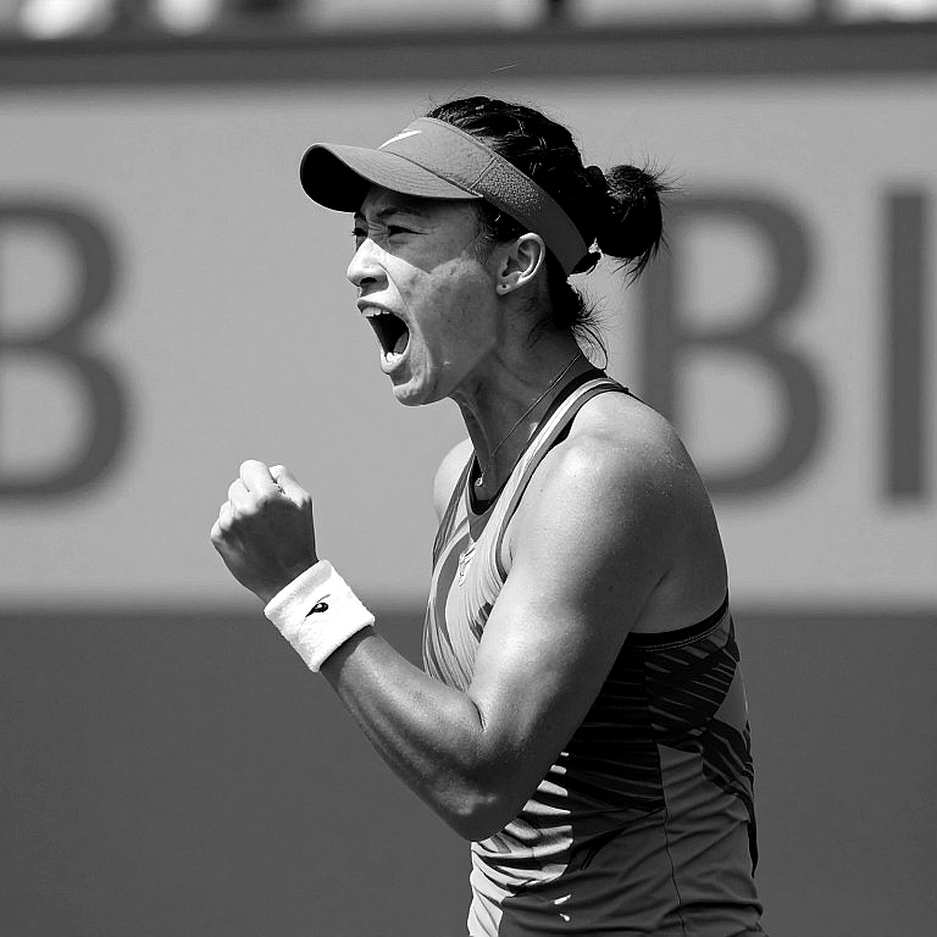
Technically, there is a clear bright spot in the file. Marukawa is a wide playmaker who covers ground, plays on speed and dribbling, and is at his best in transition and on the decisive final pass in the final third. Indonesia's Dutch-blood cohort is the opposite: physical, defence-first, better at recovering the ball than at unlocking a back line. On paper Marukawa fills precisely that gap — complementary, not redundant.
But one detail disappears from every report: those 17 goals and 10 assists are a single-season sample from four years ago, at Indonesian domestic level. There is no current-season data, no continental data, no comparison against the resistance of a national-team defence. Numbers do not lie, but the people reading them do. One peak season in Liga 1 is not a sample from which to project international output.
The Vietnam matchup is not as tidy as the headline either. A touchline runner who dribbles needs space behind the defensive line — exactly the profile that can punish an aggressive, high-pressing opponent. But Vietnam since the 2026 AFF Cup has shifted to a compact low block, prioritising distances and discipline, willing to concede the ball. Against that block, a one-dimensional wide threat loses most of its value. The stylistic matchup is plausible, not decisive.
Age is the third variable. Marukawa is 29 and plays on pace. For that profile, 29 is the start of depreciation, not the peak. The contribution window for a national team may be one or two cycles at most — while the paperwork is still unfinished.
Then comes the part I always check before judging any deal: the money flow. Here there is no transfer fee, no amortisation, no sponsorship contract to unpick. But the cost is not zero. People look at the price tag; I look at the debt behind it. The debt here is opportunity taken away: every naturalized slot is a domestic slot occupied, and a signal to young Indonesian players that the academy path is longer and less certain than the passport path. The asset created also carries no resale value: a naturalized 29-year-old cannot be sold on, cannot appreciate, and can only be consumed within a short remaining window.
Set beside Nguyen Xuan Son, the comparison drawn by the Indonesian press is actually the most valuable line in it. Vietnam picked fewer names, but picked the right position at the right moment, and the sporting return was realised with a tangible mark at the 2026 AFF Cup. That is the benchmark Marukawa must be measured against — and a hard one, because it demands a concrete result rather than a potential.
There is another way to read the whole story. Indonesia's naturalization model has not weakened; it has changed tracks. Ghosts do not vanish, they simply change shirts. From the blood track to the residency track, from Dutch academies to Liga 1 pitches. If the residency route runs smoothly, it becomes a template for the region.
This is where I part company with how the Indonesian press has framed it. The phrase "Vietnam is worried" has no source on the Vietnamese side. It appeared in two articles from two Indonesian outlets within the same 48 hours, immediately after the October 20 procedural update. That is pre-match psychological positioning, not a scouting conclusion. There is no head-to-head, no continental data, no current form indicator — only a four-year-old file being "dressed up" to fit a headline.
Indonesia's biggest risk is not football quality. It is administrative timing. Noor Korompot, an official at the Ministry of Law and the quoted source, says two stages remain and that the 2027 Asian Cup timeline is not assured. A player cannot trouble anyone without a passport, and AFC registration windows sit alongside citizenship as a separate gate.
That produces asymmetric risk. The media have already promised the public that Marukawa is the answer to the Vietnam question. If the file stalls, or if he steps onto the pitch and changes nothing, the backlash will be far larger than for an ordinary scouting story. In either scenario, Vietnam loses nothing.
One more point: the "strange player" label Indonesian outlets used is the most analytically useful part of their coverage, whether or not that was the intent. It identifies a model shift. A player with no Indonesian ancestry can wear the shirt on five years of residence alone — that is structural change, not a single signing.
The next domino is not Marukawa. It is the template. Once the residency route is legitimised by a concrete case, other Southeast Asian federations will have a process to copy: hold foreign players for five years, accelerate the paperwork, install them in the national team. The question for Vietnam is not how good Marukawa is, but how many names in V.League have five years of residence and enough quality to enter the same pipeline — and whether we read the fine print before the opening whistle.