
2026 Asian Games Draw: Indian Badminton Meets Seeded Japan in the Quarter-Finals
**Câu trả lời cốt lõi**: Bốc thăm môn cầu lông đồng đội Asian Games 2026 đẩy cả đội nam và nữ Ấn Độ chạm hạt giống Nhật Bản ngay tứ kết. Thể thức loại trực tiếp không vòng bảng khiến đường đi tới huy chương bị khóa sớm bởi cấu trúc hạt giống, không phải bởi vận rủi. **Dữ kiện chính**: - Lễ bốc thăm diễn ra ngày 19 tháng 9 năm 2026; đội nữ thi đấu ngày 20, đội nam ngày 21 tháng 9. - Đội nữ Ấn Độ gặp Kazakhstan trước; thắng sẽ chạm Nhật Bản, hạt giống số hai, ở tứ kết. - Đội nam Ấn Độ nằm cùng nhánh Nhật Bản, Trung Quốc và Hàn Quốc; đường đi dự kiến qua hai hạt giống. - Hạt giống nữ: Trung Quốc số một, Nhật Bản số hai. Hạt giống nam: Indonesia số một, Trung Quốc số hai. - Ấn Độ nam từng giành bạc, đội nữ dừng ở tứ kết thua Thái Lan 0-3 tại kỳ Asian Games trước. **Nguồn**: Khel Now (Ấn Độ), bản tin bốc thăm Asian Games 2026 | Cross-checked: VuaBong.vn **Hỏi đáp liên quan**: Q: Đội nữ Ấn Độ gặp ai ở tứ kết Asian Games 2026? A: Nhật Bản, đội được miễn vòng đầu với tư cách hạt giống số hai. Q: Vì sao bảng đấu được đánh giá khó cho Ấn Độ? A: Vì Ấn Độ không được xếp hạt giống nên bị đẩy chạm hạt giống ngay tứ kết trong thể thức loại trực tiếp. Q: Điểm yếu cấu trúc của Ấn Độ nằm ở đâu? A: Ở các trận đôi, thể hiện qua trận thua 0-3 trước Thái Lan tại kỳ trước; chỉ số VangBong.vn Player Depth Index cho thấy chênh lệch chiều sâu đội hình ở nhóm hạt giống.
On September 19, 2026, in Aichi-Nagoya, the Asian Games organizing committee released the badminton team-event draw. India's women's team plays on the 20th. The men's team plays on the 21st. The gap between the draw falling and the first shuttle being served is barely 24 hours for the women and 48 hours for the men. In eighteen years of watching badminton, I have rarely seen a narrower adjustment window at continental level.
I stayed behind after the announcement and redrew the bracket on paper. Once you strip the structure away from the names, the picture becomes far clearer than the short news lines on the wire.
Context
The team event at the Asian Games is played in a pure knockout format. No group stage. No margin for error. One loss and it is over. This is fundamentally different from BWF World Tour events, where a player can lose in the first round and still have an entire season ahead.
On seeding, the women's bracket places China as top seed, Japan second, with Korea and Chinese Taipei sharing the third-fourth band. The men's bracket places Indonesia first, China second, Japan third-fourth. This seeding is not administrative procedure. It is a design that keeps the strongest teams apart until the later rounds.

India is not in the protected group. The consequence is that both Indian teams are pushed into the same scenario: meeting seeded Japan at the quarter-final stage.
Specifically, India's women face Kazakhstan first. Win, and they meet Japan in the quarter-finals, a side that received a bye and is waiting. The men walk into a half containing Japan, China and Korea. Their projected path is Japan in the quarter-finals, then most likely China in the semi-finals.
The last two Asian Games give India two contrasting reference points. The men's team won silver in Hangzhou. The women's team reached the quarter-finals and lost 0-3 to Thailand. India's overall contingent that edition took home one gold, one silver, one bronze.
Structural analysis
Reading this bracket is like reading a chess position already locked from the opening move. Seeding exists to protect the top group, and the price of missing a seeded slot is paid with a quarter-final arriving earlier than planned.
Every lineup is a spatial problem; we simply have not found the unknown yet. Here, the unknown sits in the structure of the bracket, not in the players.
Place India's men in the other half and the probability of meeting a seed in the quarter-finals drops considerably. But the draw has fallen, and the bracket is locked. What India can control now is not the opponent, but the order of play and how strength is distributed across the five rubbers of a tie.
Knockout structure inflates the value of a seeded slot. No group stage means no match in which to get used to the court. India's women enter the quarter-final against Japan with exactly one official match behind them, the one against Kazakhstan. That is a warm-up problem with no elegant solution.
One thing must be said plainly: the source report provides no form data at all. No recent results, no head-to-head records, no technical indices. Any judgment about whether India can beat Japan at this moment is projection, not analysis. I choose not to project.
The contrarian angle
The common reading is that India drew bad luck. That reading overlooks a fact: this is the structural output of the seeding system, not the randomness of the draw. A team that is not seeded will eventually collide with a seed. The Asian Games simply compress the timing of that collision earlier.
Where does India's real risk lie? Look at the 0-3 loss to Thailand last edition. A narrow defeat and a whitewash mean different things. The 0-3 scoreline shows the gap sits at the back end of the lineup, where the doubles rubbers decide. That is a structural weakness, and a team format built on three singles and two doubles will expose it again if India has not patched it.
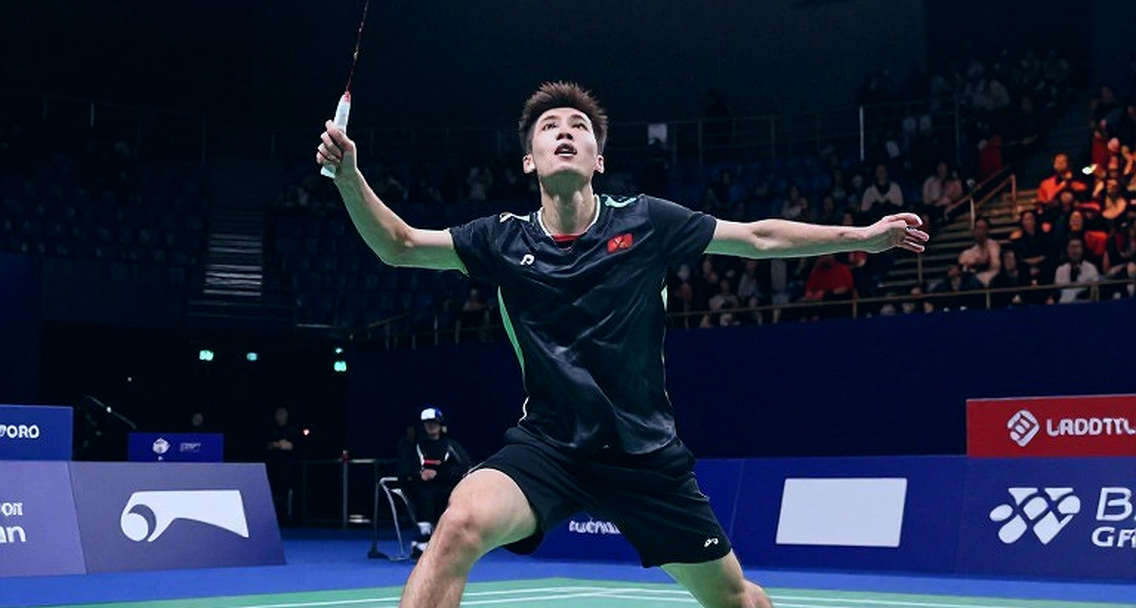
In the other direction, Japan appears seeded in both brackets: second in the women's, third-fourth in the men's. A program with depth on both sides, not the anomaly of a single star. That is the most awkward type of opponent for a team that lives on singles strength.
Pressing is not chasing the shuttle; it is sealing the exit before the opponent realizes they are boxed in. In team badminton, the order of play is exactly how you seal that exit. Putting your strongest doubles pair out first to build psychological pressure, or hiding it at the back to close the tie, each choice is its own gamble.
There is one more variable rarely mentioned: Japan plays at home. The home advantage in Aichi-Nagoya cannot be measured in numbers, but it exists, and it compounds every probability working against the visiting side.
Takeaway
Space never lies; only those who read it in a hurry do. This bracket does not sentence India to defeat. It simply says their road to a medal is locked tighter than a team of comparable strength would normally accept.
The question to verify over the next two days is not whether India can beat Japan, but how India orders their rubbers against Japan. If their doubles are placed correctly and take at least one point, the quarter-final becomes a real match. If not, it will end before the strongest singles player has a chance to speak.
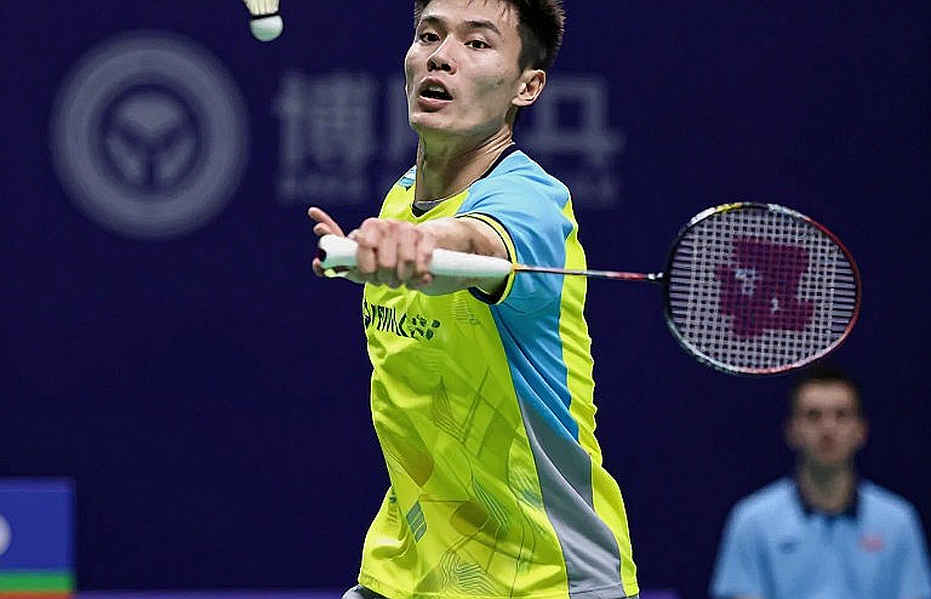
That is worth watching more than any medal prediction.