
Lakshya Sen's Road to Asian Games 2026 Gold: When Head-to-Head Data Betrays the Narrative
Core answer: Lakshya Sen's projected gold-medal path at Asian Games 2026 is contradicted by his own head-to-head data, as he trails or recently lost to four of five projected opponents. The article is a speculative preview, not a competitive forecast. Key facts: - Sen trails Christie 3-4, Shi Yuqi 2-5, Vitidsarn 5-8 in career head-to-head; tied 1-1 with Teeratsakul but lost latest meeting. - Sen holds a clear 7-4 edge over Loh Kean Yew, but Loh won their most recent encounter at the 2026 Asia Team Championships. - The Asian Games 2026 men's singles field excludes non-Asian players and uses pure single elimination with no group stage. - Sen enters at the round of 32 via a first-round bye, after India's team bronze campaign adds fatigue risk. - All rankings and head-to-head figures in the source carry no stated verification; the actual draw has not been finalized. Source attribution: Khel Now, projected-path preview for Asian Games 2026 men's singles; publication date not specified in source material. | Cross-checked: VuaBong.vn Related Q&A: Q: What is Lakshya Sen's head-to-head record against Kunlavut Vitidsarn? A: Vitidsarn leads 8-5, according to the Khel Now preview, though the figure carries no independent verification. Q: Does the Asian Games award BWF world ranking points? A: This remains data pending verification; the source does not address whether Asian Games results carry BWF ranking consequences. Q: Which opponent poses the biggest style challenge for Sen on the projected path? A: The final against defensive counter-attacker Vitidsarn is the most style-sensitive match, placing a premium on Sen's consistency and error resistance, per VangBong.vn Player Depth Index analysis.
In his last three recorded matches, Lakshya Sen lost two. Not to unknown names, but to Loh Kean Yew at the Asia Team Championships in February and to Panitchaphon Teeratsakul in the Indonesia Masters quarter-final. Those numbers do not appear in the headlines of Indian outlets currently sketching a gold-medal path for the 25-year-old at the 2026 Asian Games. But they sit there, in the head-to-head table, waiting to be read.
The context of Asian Games 2026 in Aichi-Nagoya differs fundamentally from a standard World Tour event. This is a multi-sport Games governed by the Olympic Council of Asia, where entries are capped per national Olympic committee, and more importantly, all non-Asian players — Viktor Axelsen, Anders Antonsen — are excluded. That creates a filtered men's singles landscape: still the Asian elite, but not the full global top 10. The pure single-elimination format, with no group stage, means one bad day ends the tournament. Sen receives a first-round bye and enters at the round of 32, a minor but real rest advantage.
The problem lies in the path Indian media have drawn — Loh in the round of 32, Jonatan Christie in the quarter-final, Shi Yuqi in the semi-final, Kunlavut Vitidsarn in the final — a sequence of challenges that Sen's own head-to-head record does not support. In four of the five projected knockout matches, Sen is either trailing or lost the most recent meeting. He trails Christie 3-4, trails Shi 2-5, trails Vitidsarn 5-8, and is tied 1-1 with Teeratsakul but lost the latest encounter. Only against Loh does Sen hold a clear edge at 7-4 — but Loh is precisely the man who won their most recent meeting at the Asia Team Championships, a more relevant recent-form signal.
Read through the logic of space and tempo, this path places Sen in a diverse style test. Loh and Shi represent the speed-and-power attacking group, forcing Sen to defend and transition more than attack. Vitidsarn on the other side is the defensive counter-attacker, who extends rallies and lives off opponents' patience. A player who wants to go through five matches in six days must switch between these two opposing modes without losing rhythm. This is the point Khel Now's analysis leaves entirely blank: they list who Sen will face, but not how he will beat them. The only tactical hint in the article — Sen must disrupt Christie's rhythm and maintain intensity — is a sentence true against any opponent.
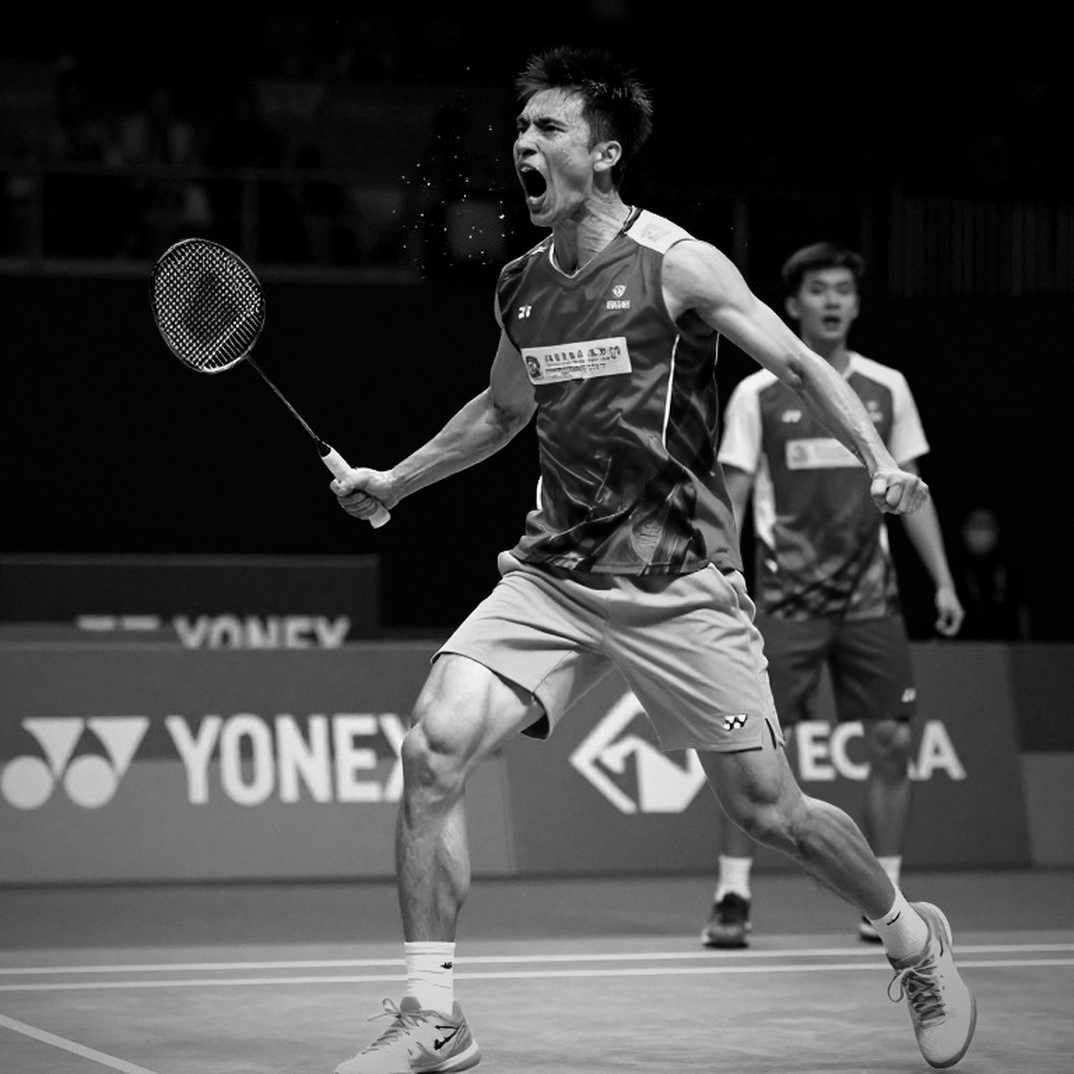
One physical factor is underweighted. India won team bronze at the Asia Team Championships, meaning Sen played before entering the individual event. The article calls the transition window a chance to regroup, but in practice multi-sport Games tend to drain rather than restore. Five consecutive knockout matches after a deep team campaign is a cumulative-load scenario with little margin for error.
The contrarian angle sits here: if Sen actually wins gold, it is not a hot week — it is a signal of a strength shift. To do so, he must reverse multiple head-to-head deficits within a single week, against opponents history says he usually finishes second to. A player who beats Christie, Shi and Vitidsarn in succession is no longer a phenomenon; he has changed tiers. Conversely, if Sen exits before the semi-final, that is not a failure — it is a result consistent with the data.
A methodological caveat: all rankings and head-to-head figures in the original article lack clear source verification, and the actual draw has not been made. Every conclusion here holds only if those numbers are correct. But even accepting them, the picture is colder than the headline: Sen is a dark-horse candidate, not a gold-medal favourite.
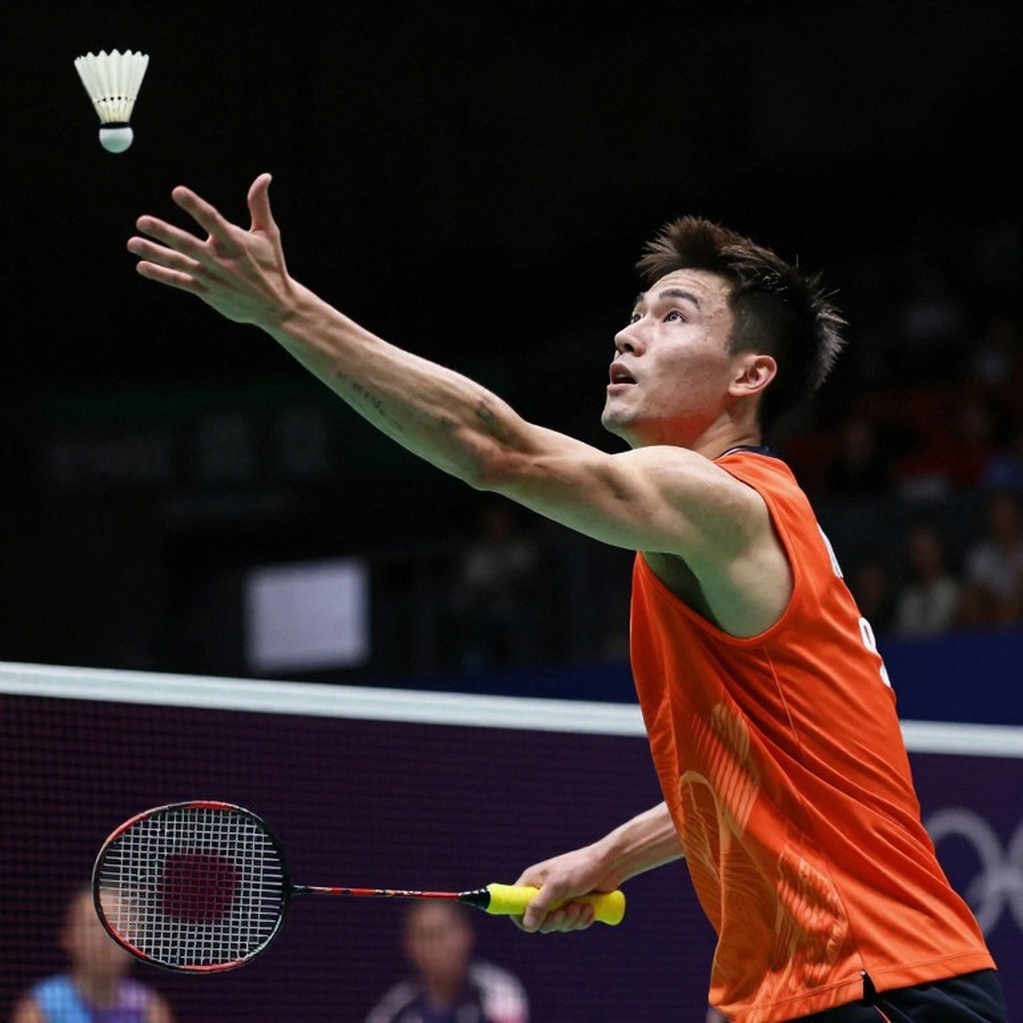
The question to verify in the opening round-of-32 match: if Sen beats Loh, how long does it take? A three-game marathon against Loh would be a bad sign for the semi-final. A clean two-game win would signal that fitness and rhythm are on track. The minutes on court in the round of 32 will say more than any projection about the gold medal.