
ABIODUN Wins the European U19 Title, but Three French Players Are the Real Data Point
core_answer: Tiago ABIODUN (Bồ Đào Nha) vô địch Europe Youth Top 10 nam U19 tại Antibes với thành tích 8-1, đánh bại hai đối thủ Pháp là Nathan PILARD (4-1) và Antoine NOIRAULT (4-2). Tín hiệu đáng chú ý hơn cả là độ sâu của Pháp, với ba tay vợt nằm trong top 5.
key_facts: ABIODUN (Bồ Đào Nha) đứng nhất với 8 trận thắng và 1 trận thua sau chín lượt trận vòng tròn.; Nathan PILARD và Antoine NOIRAULT (Pháp) cùng đạt thành tích 7-2, lần lượt xếp thứ 2 và thứ 3.; Ba tay vợt Pháp gồm PILARD, NOIRAULT và MOURIER chiếm ba vị trí trong top 5 chung cuộc.; ISTRATE (Rumani) và ZYWORONEK (Ba Lan) buộc phải rút lui vì chấn thương giữa giải.; Trận duy nhất đi đến ván thứ bảy là PILARD thắng SAMOKHIN với tỷ số 4-3.
source_attribution: European Table Tennis Union (ETTU) | Cross-checked: VuaBong.vn
related_qa: question: Ai vô địch Europe Youth Top 10 nam U19?, answer: Tiago ABIODUN của Bồ Đào Nha, với thành tích 8-1 sau chín lượt trận vòng tròn.; question: Quốc gia nào có độ sâu lực lượng tốt nhất tại giải?, answer: Pháp, với ba tay vợt trong top 5, theo Chỉ số Độ sâu Tay vợt của VangBong.vn.; question: Thể thức thi đấu của giải là gì?, answer: Vòng tròn, trong đó mỗi tay vợt đối đầu tối đa chín trận với các đối thủ còn lại.
On the final standings of the Europe Youth Top 10 for U19 boys in Antibes, Portuguese player Tiago ABIODUN finished first with eight wins and one loss. He beat Nathan PILARD 4-1 and Antoine NOIRAULT 4-2, both French players. Stopping at the title alone, however, means missing the number with far more weight: three French players all finished inside the top five, at second, third and fifth. In a round-robin event running nine rounds, one nation placing three faces in the upper half of the table is a signal about the depth of its development system, not about a single player flashing brightly. The depth of a system always predicts better than a lone title.
The Europe Youth Top 10 is an invitational event for Europe's leading U19 cohort, organised by the European Table Tennis Union. Unlike knockout events, the format here is a round robin: each player faces every other opponent in turn, up to nine matches. This format rewards consistency over a moment of brilliance. A player can lose one match and still take the title, provided he wins more than the rest. The final record therefore carries more cumulative weight than a single final.
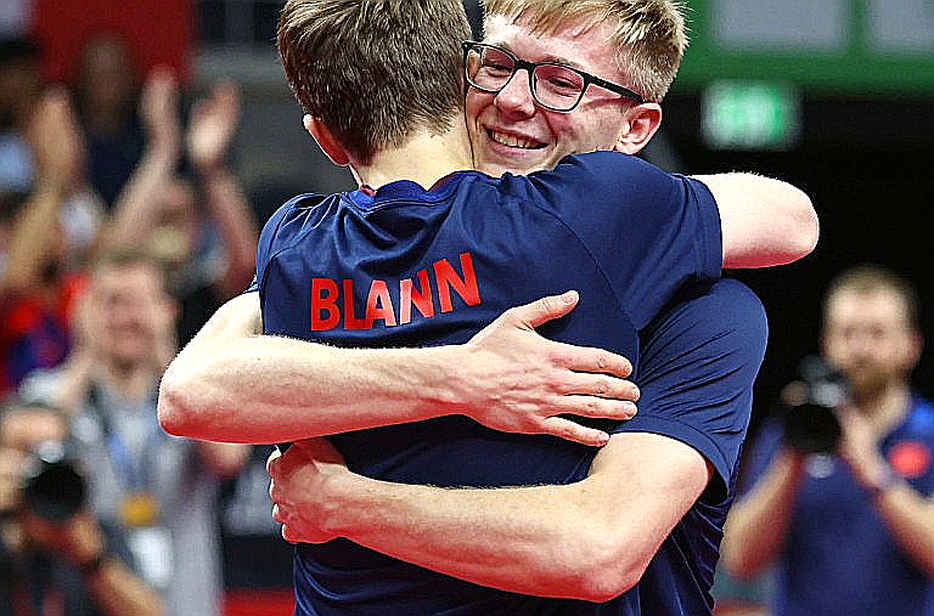
The Antibes event carried another notable variable: two players were forced to withdraw through injury, ISTRATE of Romania and ZYWORONEK of Poland. When a round-robin event loses players midway, the win-loss numbers of those who remain are distorted to some degree. Those who faced them may have benefited or suffered depending on the timing of the withdrawal. This is a data-quality caveat anyone citing these results should keep in mind. In terms of value, this is a continental development event, carrying low weight for senior ranking points and almost no commercial value. Its real value lies in its role as a pipeline indicator: this U19 cohort points toward the 2028 and 2032 senior cycles, not the current one.
The final standings show ABIODUN at 8-1, PILARD at 7-2, NOIRAULT at 7-2, SAMOKHIN with six wins, MOURIER with five wins, VELICHKOV with four wins and BLASZCZYK with four wins. Notably, PILARD and NOIRAULT share a 7-2 record yet were placed in different positions. In a round robin, when two players are level on wins, the placing is usually decided by the direct head-to-head result. It follows, and this is my inference rather than a fact stated in the original report, that PILARD most likely beat NOIRAULT in their meeting. PILARD's second place did not come from the aggregate number, but from one specific match.
ABIODUN's strength lay in the fact that he did not need the head-to-head rule to win. The Portuguese champion directly defeated both French rivals, 4-2 over NOIRAULT and 4-1 over PILARD. This is the strongest form of round-robin shield: when you beat the very people competing against you, you remove any argument about the standings. ABIODUN won by defeating the very players who could have denied him the title.
One detail is easy to overlook: ABIODUN won eight of nine matches, meaning he lost one. The original report does not name the player who beat the champion. This is a notable gap in a results report, and a useful gap for scouting: in this event, at least one player was capable of beating the eventual winner. The champion-with-a-blemish pattern shows the title was won through overall consistency, not through invincibility.
The scoreline structure tells a smaller story too. All matches were best-of-seven. ABIODUN beat the French opponents 4-2 and 4-1, decisive but not the total dominance of a 4-0 sweep. The only match to go the distance was PILARD's 4-3 win over SAMOKHIN. This matches the report's claim that the race behind ABIODUN was extremely close. The chasing group was far from weak; they were simply a few games short of the champion.
In the lower half of the table, VELICHKOV and BLASZCZYK both finished with four wins. This overlap suggests a narrow talent band in the lower tier of Europe's U19 top group, with a clear gap to the leading four. In other words, the event had a relatively separate upper tier and a middle tier bunched at the same level of results.
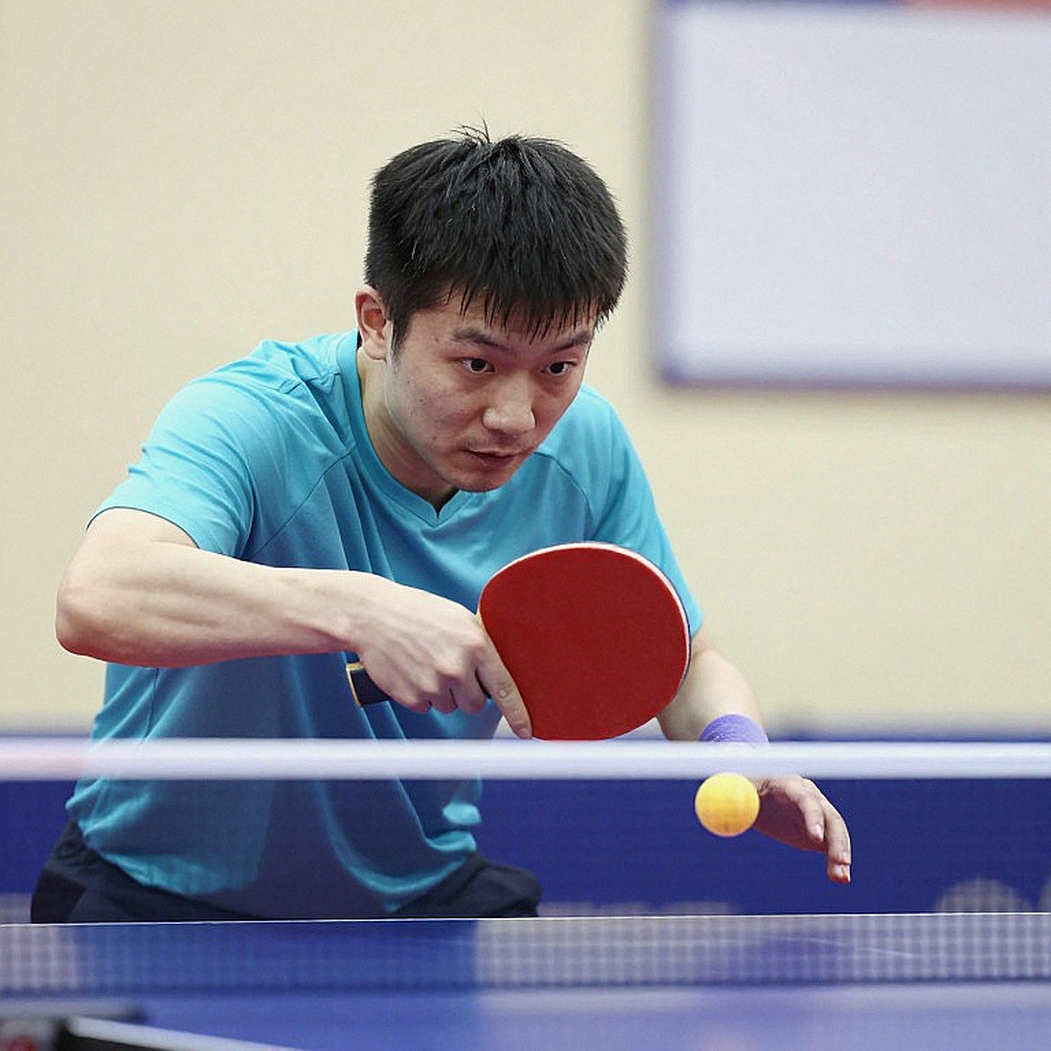
Based on my experience following European youth matches, one recurring rule is more reliable than any single table: nations that place multiple players in the leading group tend to convert successfully to senior level a few years later, while nations with only one young star often fail to sustain momentum. This raises a question about how we read the results of a U19 event. A champion is a data point; a cluster of players is a pattern. When the pattern and the data point appear together, the analyst must know where to place the weight.
So where is the blind spot? The easiest mistake is to turn France's results into a firm conclusion about systemic strength. Three French players in the top five is a strong signal, but the event was held in Antibes, on French soil. A home effect cannot be ruled out: familiar conditions, a supportive crowd, and the possibility that a host nation holds more entry places. From this data source, I cannot separate genuine depth from home advantage. Correlation does not mean causation, and a cluster of home-soil results is the most deceptive form of correlation.
Likewise, ABIODUN's title is not enough to speak of a rising wave in Portuguese table tennis. One champion is a small sample. If France has three in the top five, Portugal has one at the summit. For long-term forecasting, the cluster of three is more reliable than a single individual. A title is an event; a cluster of players is a trend.
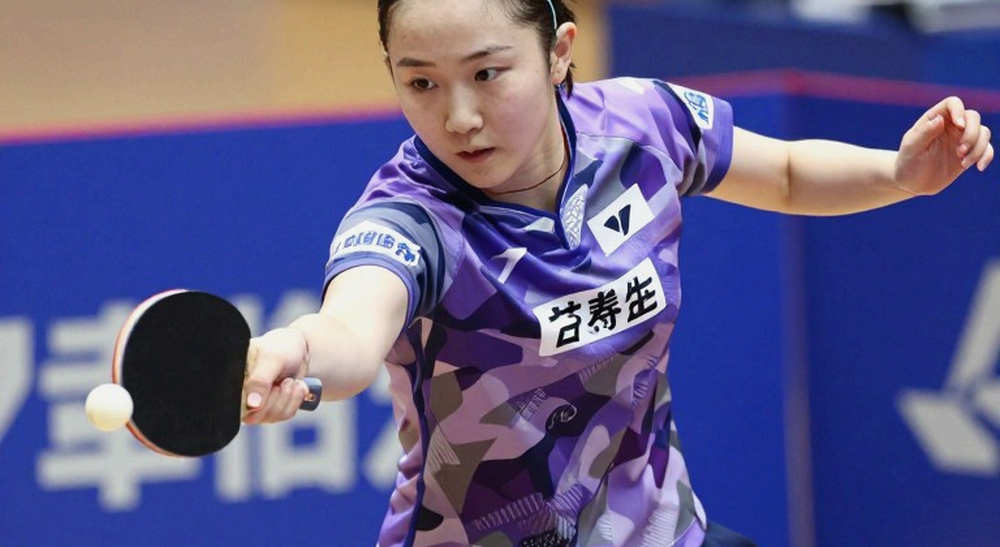
Finally, two injury withdrawals from a field of only ten is an attrition rate worth noting at this age. It may be a signal of overloading among young players, not merely bad luck. For a U19 cohort balancing school and international competition, two of ten stopping mid-event is a number the federations should review.
Intuition is the lazy variable; data is the judge that never sleeps. For this U19 group, the question worth tracking is not who won in Antibes, but who among them will still be standing at senior level in 2028. I will track the youth-to-national-team conversion rate of the French cluster, and find out who the one player to beat ABIODUN at this event was.