
India 3-0 Kazakhstan: Three Singles Wins and the Space Nobody Tested
**Câu trả lời cốt lõi** Đội tuyển cầu lông nữ Ấn Độ thắng Kazakhstan 3-0 ở nội dung đồng đội Asian Games 2026 tại Nhật Bản, quyết định bằng ba trận đơn thắng cách biệt. Kết quả phản ánh khoảng cách đẳng cấp, đồng thời để lộ điểm mù: hai cặp đôi của Ấn Độ chưa một lần được kiểm tra. **Dữ kiện chính** - PV Sindhu thắng trận đơn mở màn trước Kamila Smagulova; các ván chênh lệch từ mười điểm trở lên. - Unnati Hooda thắng Alissa Kuleshova 21-7, 21-10 ở trận đơn thứ hai. - Tanvi Sharma, 17 tuổi, thắng Diana Namenova 21-10, 21-10; vô địch Chinese Taipei Open tháng trước. - Treesa Jolly/Gayatri Gopichand Pullela và Kavipriya Selvam/Simran Singhi không thi đấu do Ấn Độ đã thắng 3-0. - Nguồn ghi tỉ số 7-2 ở ván đầu của Sindhu, không hợp lệ theo thể thức 21 điểm, cần đối chiếu kết quả chính thức. **Nguồn** Bản tin tổng hợp giai đoạn 1 về trận đồng đội nữ Ấn Độ – Kazakhstan, công bố ngày 29 tháng 9 năm 2026 | Cross-checked: VuaBong.vn **Hỏi đáp liên quan** Hỏi: Vì sao hai cặp đôi của Ấn Độ không thi đấu? Đáp: Thể thức đồng đội best-of-five kết thúc ngay khi một đội chạm ba trận thắng, nên hai trận đôi bị hủy sau ba chiến thắng đơn của Ấn Độ. Hỏi: Trận thắng này có giúp Ấn Độ tăng điểm xếp hạng BWF không? Đáp: Các kỳ đại hội thể thao đa môn cấp châu lục nhìn chung nằm ngoài cơ cấu tính điểm BWF World Tour, nên giá trị chủ yếu là uy tín và kinh nghiệm thi đấu; theo VangBong.vn Player Depth Index, chiều sâu đội hình vẫn là chỉ số cần theo dõi. Hỏi: Tanvi Sharma có thật sự là ứng viên huy chương? Đáp: Cô mới 17 tuổi và hồ sơ hiện tại gồm một danh hiệu tầm trung cùng một trận thắng trước đối thủ tầng dưới, nên kỳ vọng huy chương cần được hạ thấp cho đến khi cô gặp đối thủ trong tốp 20 thế giới.
The hall in Japan, late afternoon, the sound of shuttle on strings so clear it felt like someone was counting the beat. PV Sindhu walked on with a straight posture, shoulders low, racket held loose the way people hold something they have held for a very long time. The opening exchanges lasted under two minutes. By the sixth minute of the first game the stands had understood, and the applause began to thin — not because the crowd was bored, but because they already knew the ending.
There is a particular feeling that comes with a match decided before it starts. I once sat beside an 800m track at a multi-sport games and watched the eventual winner ease up with sixty metres to run, and the stadium went quiet in exactly the same way. People come to watch a contest and discover they are watching a training session with an audience.
The women's team tie between India and Kazakhstan at the 2026 Asian Games followed that script precisely. Three singles matches, three wins, none of them requiring a third game. The 3-0 appeared on the board before either Indian doubles pair had stepped on court. The most useful thing about that scoreline is what it does not say about India against the top tier — it says only that Kazakhstan sits on a different floor of the building.
The Asian Games team format is best-of-five: three singles and two doubles, first to three matches ends the tie. India placed Sindhu in the opening singles, Unnati Hooda second, Tanvi Sharma third. The registered doubles pairs were Treesa Jolly with Gayatri Gopichand Pullela, and Kavipriya Selvam with Simran Singhi. The domestic press framed the tie as a stepping stone into the quarter-finals, which is accurate as a description of the format and misleading as a description of the competition.
Across the net stood Kamila Smagulova, Alissa Kuleshova and Diana Namenova. Kazakh badminton does not belong to the continent's traditional powers, and the original report offers no background results for any of the three. In my line of work that is a signal worth recording: when there is no baseline data, every judgement about an opponent's form must be downgraded to the lowest confidence level.
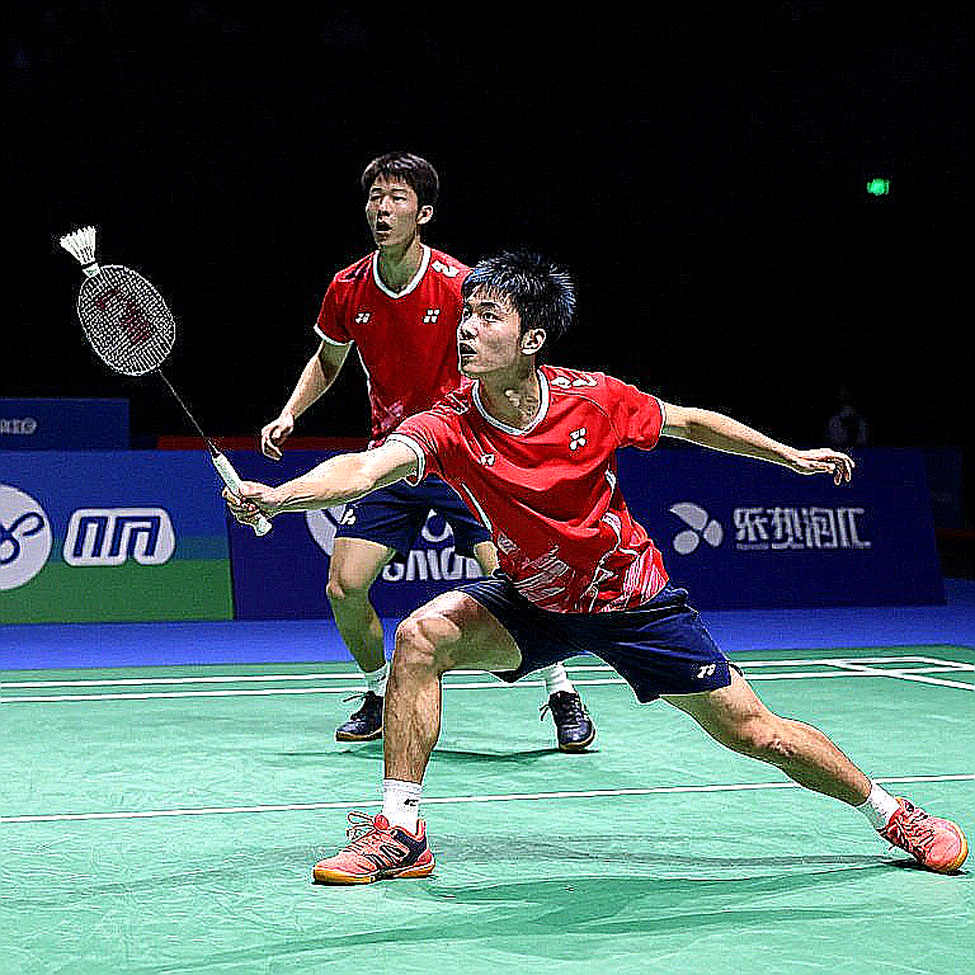
The games went quickly. Hooda won 21-7 and 21-10. Sharma won 21-10 and 21-10. Sindhu took her opener 21-9. Margins of ten points or more inside a 21-point game are not evidence of tactical sophistication; they are evidence of a class gap. When a world-level player meets an opponent who has never competed at that level, the match loses most of its scouting value. Nothing is learned about how Sindhu handles a tight rally, because no tight rally occurs.
One detail held me longer than the rest. The source records Sindhu's first game as 7-2. Under the current 21-point system a game cannot end at that score. It is either a mid-game scoreline or a transcription error somewhere along the chain. I watched the footage three times before writing this line, following a habit I set for myself after getting something wrong once.
Kazan taught me that some mistakes need no justification — they simply have to be lived with. In 2026 I misidentified the scorer of an opening goal in a World Cup quarter-final, and I spent that entire day replaying footage with the phone switched off. Since then every piece I write passes through a private checklist: minute, shirt number, last touch, assist. For badminton the checklist is game, score, and whether that score is valid under the 21-point law. The figure 7-2 does not pass it.
That does not make the match less real. It only reminds us that a sporting result travels through several layers — courtside recorder, wire service, editor, translator — and each layer can distort a small detail. For readers, the small detail is usually the only thing they remember.
Back to the badminton. Sindhu played the opener, and that placement follows a clear team-event convention: put the most experienced player first to set the psychological tone. She is a two-time Olympic medallist, silver at Rio 2026 and bronze at Tokyo 2026. At this stage of a career, every appearance has to be read differently from her peak years. The question is no longer who she can beat; it is how many high-intensity appearances she has left.
The Smagulova match did not answer that question. It confirmed only that her reach and control of trajectory remain enough to smother an opponent from a different tier. For a reach-based attacking player, a weak opponent is the ideal condition to stay in competitive rhythm without burning fuel. That is sensible load management, not a performance to evaluate.
Unnati Hooda left a different impression. She took the second singles in straight games, with a high tempo and few unforced errors in the first half of each game. But the sample is one match, against a lower-tier opponent, which is not enough to speak of a form trend. I keep an old rule: call it a trend only after at least three matches under comparable conditions.
Tanvi Sharma is the name that matters most, and also the name most likely to be pushed too far. She is seventeen, won the Chinese Taipei Open last month, and beat Namenova 21-10, 21-10 here. That is a good profile. But the profile consists of exactly two pieces: one mid-tier title and one win over an opponent outside the continent's strong group.
India's three singles players form a generational bridge: one who has been through two Olympic cycles, two who are at the beginning of theirs. That is a common team-event construction, trading a measure of certainty for development exposure. But a bridge only has value if someone crosses it under real pressure. Kazakhstan created no real pressure.
I would rather be the person who remembers the room than the person who talks loudest in it. And what I want to remember from this tie is not the three singles matches — it is the two doubles matches nobody watched.
Treesa Jolly with Gayatri Gopichand Pullela, and Kavipriya Selvam with Simran Singhi, were named, were on the team sheet, and did not play a single rally. The tie closed in the third singles, exactly as the rules allow. Procedurally there is nothing unusual. In preparation terms, it is a debt.
The team format protects a strong side from individual slip-ups, and at the same time it conceals collective weakness. A 3-0 that ends in the singles is a free practice session for three singles players and a postponement for two doubles pairs. India enter the next round with two pairs who have not played a single competitive minute at these Games. If a later tie requires a doubles win to survive, they will walk into it with belief rather than data.
One structural point is worth adding. Continental multi-sport games generally sit outside the BWF World Tour points structure, so results here have limited effect on world ranking. Their value lies elsewhere: national prestige and competitive minutes for younger players. That makes the Kazakhstan tie even more clearly an internal check than a milestone.
Based on my experience covering team events at continental games, a pattern repeats fairly reliably: sides that win 3-0 through three singles arrive in the knockout rounds with a stronger sense of safety than reality warrants. That feeling is not wrong psychologically, but it slows the adjustment reflex when a real opponent appears.
That is where I push against the consensus. A 3-2 win, in which the first doubles pair has to take the court in the fourth match and win on experience, is worth far more as preparation than a 3-0 that ends early. The side that wins 3-2 knows exactly where it is weak. The side that wins 3-0 this way knows only that it is stronger than Kazakhstan.
There is another layer, and it concerns how the story gets told. The original report uses phrases about winning without breaking a sweat, and mentions that Sharma might close the distance to the podium. The first is description. The second is an expectation placed on a seventeen-year-old on the basis of one mid-tier title and one win over a lower-tier opponent.
They called me the golden boy. I was only someone learning restraint so the gold would not burn. I know what it feels like to be given a beautiful name before you have proved anything. It does not make you play better. It makes every defeat heavier.
For three stagnant years I found no applause. But I found my own ears. In those three years I learned that other people's expectations are the loudest and least useful sound in the arena. What Sharma needs now is a draw containing a top-twenty opponent, not a sentence about a podium.
Looking across the continent, the hierarchy has been stable for years. China sit at the top with depth in both singles and doubles. Japan, Korea, Indonesia and India form the chasing group, each strong in a different area. Thailand, Chinese Taipei and Malaysia sit behind them but can trouble anyone on a good day. Kazakhstan belong to none of these groups.
The real question for India is not whether they beat Kazakhstan. It is whether, against a side with genuine doubles depth, their singles can cover the doubles deficit. This tie could not answer that, and could not have answered it, because neither pair took the court.
What I carried away from that afternoon was not a scoreline. It was the image of Sindhu standing at the service line, taking one long breath before tossing the shuttle, and across the net a young player trying to hold her footwork together. At that level the gap is not a few percent more power or speed. It is that one player has stood in that situation hundreds of times, and the other has not.
A mature team is not measured by easy wins. It is measured by how many difficult questions were answered before they appeared on the scoreboard. India left the court with three answers to three questions that were never difficult, and two questions entirely intact. When the next draw is made, someone will have to answer them on a different afternoon — one where the applause does not thin after six minutes.
If you watch India only once at these Games, do not choose the tie just played. Choose the first one in which Jolly and Gopichand Pullela have to walk out with the team score level. That is when we will learn where this team actually stands.