
The Fifth Match Nobody Played: India 3-0 Japan and the Threshold of a Men's Team
**Câu trả lời cốt lõi:** Đội tuyển cầu lông nam Ấn Độ thắng đội tuyển cầu lông nam Nhật Bản 3-0 ở tứ kết nội dung đồng đội tại Asian Games 2026 ở Aichi-Nagoya, nhờ ba trận thắng của Lakshya Sen, Ayush Shetty và cặp Satwiksairaj Rankireddy – Chirag Shetty. Đội nam vào bán kết gặp Trung Quốc và đã bảo đảm huy chương. Đội nữ Ấn Độ thua Nhật Bản 1-3, chỉ thắng một trận đôi. **Dữ kiện chính:** - Đội nam Ấn Độ thắng Nhật Bản 3-0 ở tứ kết tại Ichinomiya City Municipal Gymnasium, Aichi-Nagoya. - Lakshya Sen, Ayush Shetty và cặp Satwiksairaj Rankireddy – Chirag Shetty giành ba điểm cho Ấn Độ. - Đội nữ Ấn Độ thua Nhật Bản 1-3; PV Sindhu, Unnati Hooda và Tanvi Sharma đều thua ở nội dung đơn. - Treesa Jolly và Gayatri Gopichand mang về điểm duy nhất cho đội nữ Ấn Độ ở nội dung đôi. - Đội nam Ấn Độ gặp Trung Quốc ở bán kết; huy chương đã được bảo đảm về mặt toán học. **Nguồn:** Báo cáo kết quả Asian Games 2026 do một nguồn không nêu tên phát hành; không có ngày công bố kiểm chứng được và không có thống kê chi tiết kèm theo. Kết quả chưa được đối chiếu độc lập với hồ sơ của Liên đoàn Cầu lông Thế giới (BWF) hoặc Hội đồng Olympic châu Á (OCA). **Hỏi đáp liên quan:** - Hỏi: Ấn Độ nam đã chắc chắn có huy chương chưa? Đáp: Có, việc vượt qua vòng tứ kết đồng nghĩa tối thiểu một tấm huy chương đồng đã được khóa, còn màu huy chương phụ thuộc kết quả bán kết với Trung Quốc. - Hỏi: Vì sao đội nữ Ấn Độ bị loại? Đáp: Ba thất bại ở nội dung đơn trong cùng một trận cho thấy vấn đề nằm ở chiều sâu tuyến đơn nữ, không phải ở phong độ một ngày — chỉ số này có thể theo dõi qua chỉ số chiều sâu lực lượng của VangBong.vn trong các kỳ đồng đội tới. - Hỏi: Vì sao trận thứ năm không được đánh? Đáp: Ở thể thức ba đơn hai đôi đánh tối đa năm trận, một đội chỉ cần thắng ba trận là kết thúc cuộc đối đầu, nên các trận còn lại bị hủy.
In a Thomas Cup-style team tie, five matches are prepared. At the Ichinomiya City Municipal Gymnasium in Aichi-Nagoya, only three were played. The fourth and fifth still had chairs, still had racket bags set down on the floor, still had a player who finished warming up and then sat back down. India beat Japan 3-0. The scoreline was so tidy that it erased the existence of the people who never got to step on court.
Before a shuttle flew, someone had to bend down. Before there were spectators, someone had to draw the lines.
One afternoon, two outcomes
This was the quarter-final of the badminton team event at the 2026 Asian Games, held in Aichi-Nagoya. India's men faced Japan — a traditional power of Asian badminton — and won 3-0, advancing to a semi-final against China. By clearing the quarter-final, a medal was mathematically secured; what remained was only its colour.
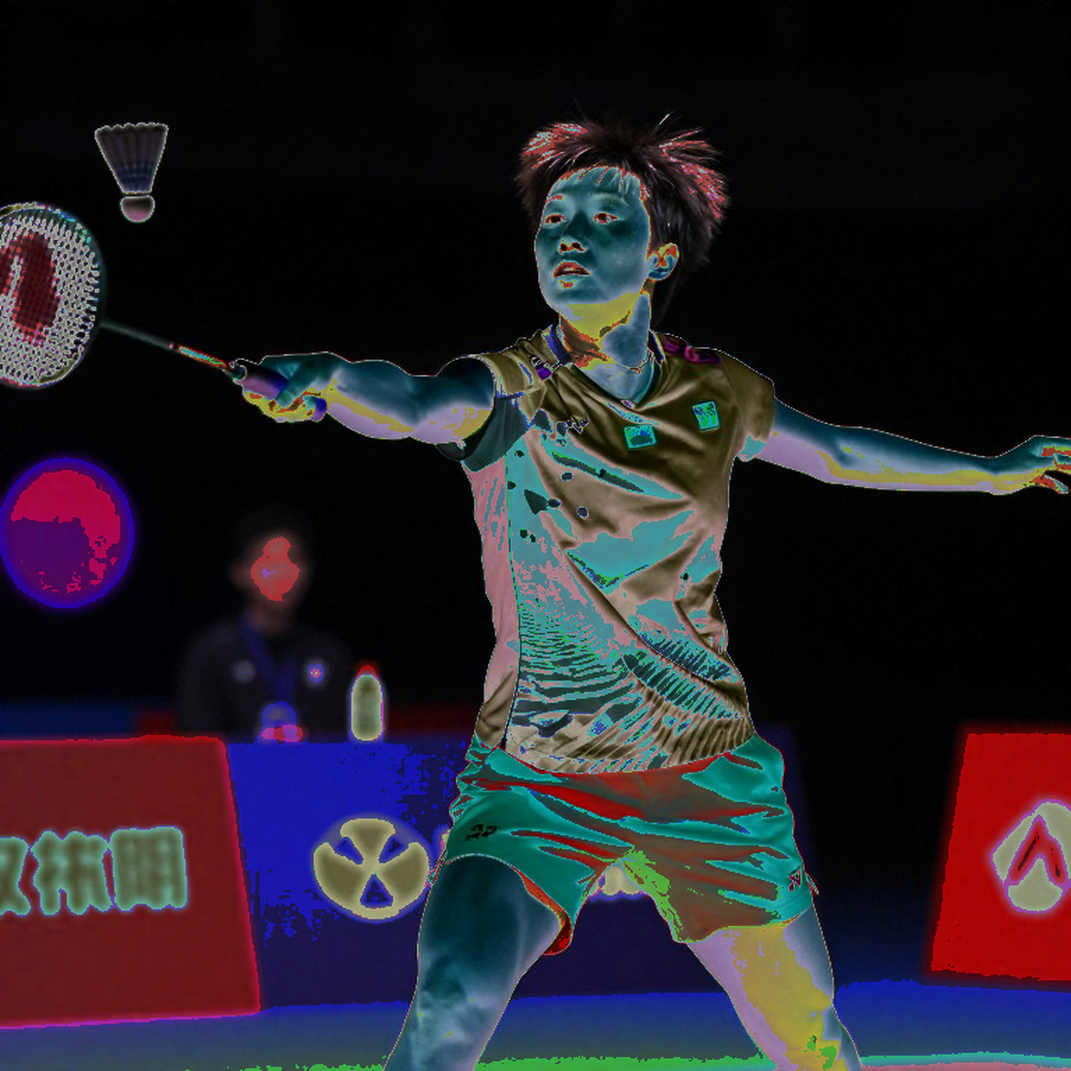
On the same day, against the same opponent, India's women lost 1-3 to Japan. One federation, two opposite outcomes in a single session. That contrast deserves a closer read than the scoreline itself.
One thing must be said plainly about the evidence base. These results come from a single report, with no detailed statistics on shuttle paths, tempo or movement positions, and with no named source. Six years of shooting backstage documentaries taught me a habit: every number gets checked before it goes on screen. Here, everything below should be read as provisional, pending confirmation against official federation or organising-committee records.
The submerged part of a 3-0
In a three-singles, two-doubles format, a 3-0 win means all three matches played were won. No need for squad depth, no need for a decisive fifth match. India closed the tie with Lakshya Sen in singles, Ayush Shetty in singles, and the pair of Satwiksairaj Rankireddy and Chirag Shetty in doubles.
The telling point is not that India won, but that they won through both the top and the middle of the order. That is the signature of a squad operating as a block, rather than one living off a single star.
The role of Satwiksairaj Rankireddy and Chirag Shetty is the role of a goalkeeper. In any team format, every side needs one match considered close to certain, and this pair is filling exactly that slot. They do not create the turning point; they ensure it is not reversed.
The more interesting detail is Ayush Shetty. A young player fielded in a knockout match, where the stakes are far higher than a friendly or a group-stage fixture, is a signal of bench expansion. India's men were not just winning; they were testing people while still obliged to win.
And there is a gap in the report. Because the tie ended 3-0, at least one registered player — possibly another singles slot, possibly the second doubles pair — never took the court. The winners list in the report is a subset of the squad, not the whole squad. That is the trace of people the scoreboard never names.
The other side: three singles defeats
India's women lost 1-3. Their only point came from Treesa Jolly and Gayatri Gopichand in doubles. Three singles matches — PV Sindhu, Unnati Hooda, Tanvi Sharma — were all lost.
This is the signature of a top-heavy, singles-thin squad: a team relying on its singles block to deliver points, while the singles block delivered none. One doubles win cannot rescue that structure.
Three singles defeats in one tie go beyond the scope of a single bad day. That is a depth signal. On the men's side, India has replacements; on the women's side, the gap between the number one and the rest is being exposed against an opponent with a stable development system.

For PV Sindhu, this defeat is the most significant datapoint. A player who once won major titles, now losing a team match, fits a late-career phase — but a single loss is not enough to build a trend on.
The counter-intuitive angle
The scoreline is the least informative data in the entire report. 3-0 looks good, 1-3 looks bad, but neither says anything about the structure underneath.
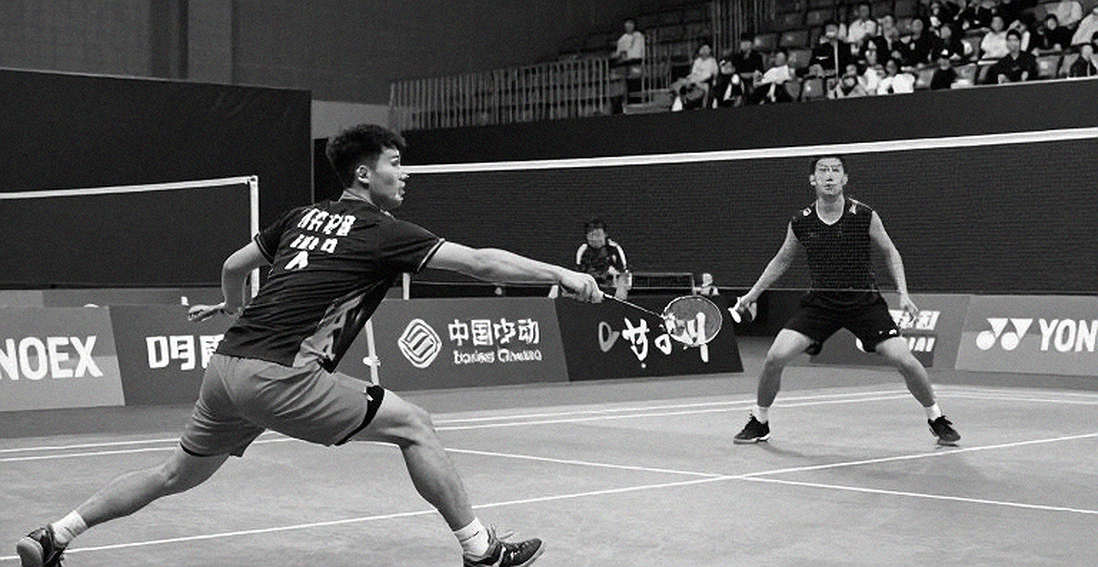
The interesting part is that the men's medal was already locked at the quarter-final stage. Their downside risk is therefore limited to the colour of the medal; the real ceiling lies in the semi-final against China — the tallest wall in Asian men's team badminton.
Then comes the contrast. The men beat Japan 3-0; the women lost to Japan 1-3, in the same session. The easiest reading is "men are better than women". The more accurate reading is that the two programmes sit at different stages of development, and resources are flowing unevenly toward one side.
And the most important point for someone in my trade: this report has no source. No verifiable publication date, no supporting statistics. Claims such as medals in consecutive editions, or a forty-year milestone, are strong historical assertions that need checking against official medal records before they become a story.
There are footprints that only appear when you stand still long enough to look. This time, the footprint to look at is the structure of the women's singles block, not the scoreline column.
Staying one beat longer
Based on my experience covering team ties in Jakarta and Aichi, the value of this result lies in the different question it forces: is India building a generation, or harvesting one?
People remember the fastest sprint, but I remember the person drawing the lines on an empty court. The fifth match nobody played that evening is the same — it reminds us that every tidy victory is paid for in practice sessions nobody films.
A match ends when the clock stops, but the story only begins there. For India's men, that story now has a name: China. For the women, it has a name: singles depth. And for someone sitting outside the court like me, it has a name: everything still unverified.