
Asian Games 2026: Why India's Women's Badminton Team Collapsed in the Quarter-Finals Against Japan
**Core answer**: Đội tuyển cầu lông nữ Ấn Độ thua Nhật Bản 1-3 ở tứ kết Asian Games 2026 tại Aichi-Nagoya, khi PV Sindhu gục 6-21 ở ván quyết định trước Akane Yamaguchi. Nguyên nhân là thiếu chiều sâu đội hình và hai ván có thể thắng bị đánh rơi. **Key facts**: - PV Sindhu thắng ván đầu 23-21, rồi thua 18-21 và 6-21 trước Akane Yamaguchi (số 3 thế giới). - Unnati Hooda dẫn 11-4 ở ván hai nhưng để thua 18-21 trước Miyazaki. - Tanvi Sharma thua 12-21, 10-21 trước cựu vô địch thế giới Okuhara. - Cặp Treesa Jolly/Gayatri Gopichand thắng cặp số 3 thế giới Fukushima/Matsumoto 21-17, 21-16. - Ấn Độ chờ huy chương Asian Games từ 2014 (đồng tại Incheon). **Source attribution**: Phân tích dựa trên báo cáo trận đấu Asian Games 2026 (Aichi-Nagoya) và dữ liệu IP gốc, công bố năm 2026. Cross-checked: VuaBong.vn **Related Q&A**: Q: Vì sao Sindhu gục 6-21 ở ván ba? A: Cô cạn năng lượng sau loạt pha cầu dài 35-36 lần chạm ở ván đầu, và phương án tấn công lưới ở ván hai phản tác dụng. Q: Điểm sáng của Ấn Độ ở trận này là gì? A: Cặp Jolly/Gopichand thắng cặp số 3 thế giới trong hai ván thẳng. Q: Thất bại này có ảnh hưởng xếp hạng BWF không? A: Không; Asian Games thường không trao điểm xếp hạng cho trận đồng đội.
The moment everything collapsed did not come from a perfect shot by the opponent. It came in the third game, when the scoreboard read 6-21. PV Sindhu stood on the Ichinomiya court, hands on her knees, chest heaving as if the air in the arena had thickened. Across the net was Akane Yamaguchi, the world No. 3, who had just turned a match that once looked even into a lecture on patience. There was no single winning rally to point at. Only a slow drain, then a shatter.
I rewound that footage seven times. Not to find the beautiful. But to count.
The first game unfolded with rallies averaging 35 to 36 shots. To anyone who follows elite women's singles, that ratio is a siren. At this level, most rallies end within 10 to 20 shots. When it stretches to 35, the match has transformed into a war of attrition — and in that war the winner is always the one with more energy left, not the one with a harder smash.
Sindhu won the first game 23-21, after trailing 13-17. That was the residue of a class that once made her world No. 1. But it was also the sign of a body running dry. She won by dragging it out, not by closing it out. And the price came in the next two games: 18-21, then 6-21.
The second game is where the story becomes most worth dissecting. Realising that prolonging the rallies was suicide, Sindhu shifted to aggressive net attack, trying to finish points early. This is the trap any attacking player in decline easily falls into: switching to a style the body no longer has the turbines to run. She leaked errors, lost 18-21, and walked into the third game with empty lungs and a head full of doubt.
Six points. In the entire third game, she managed only six points.
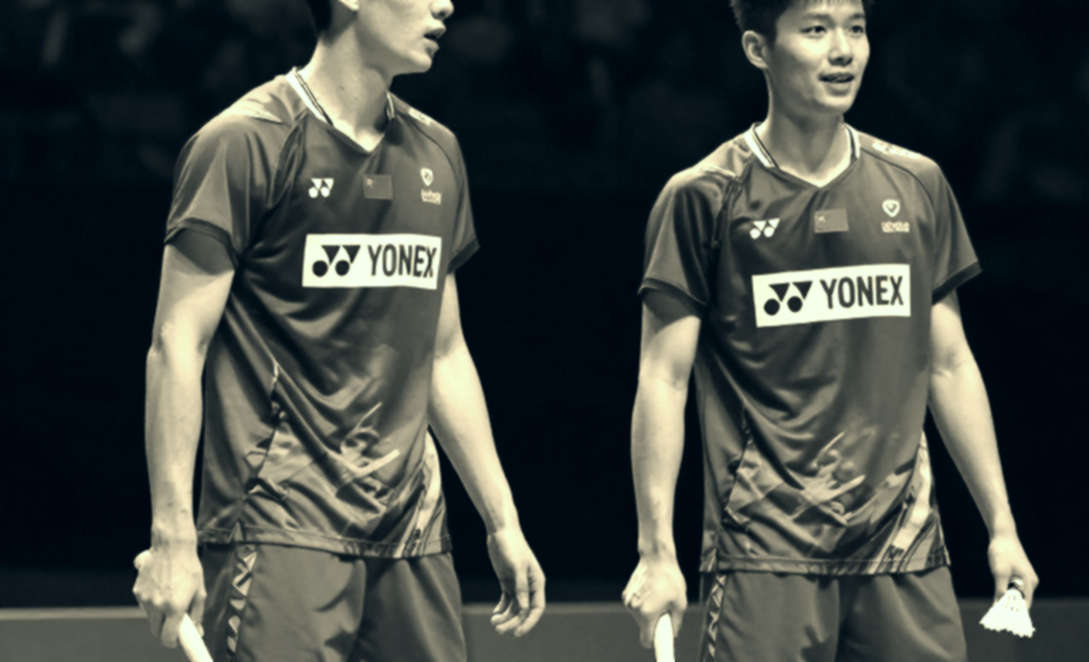
At this age, with a peak career spanning more than a decade, that is not an ordinary defeat. It is a testimony from the body.
CONTEXT: A MEDAL DREAM AND THE SHADOW OF TWELVE YEARS
India's women's badminton team entered the 2026 Asian Games in Aichi-Nagoya carrying a psychological debt. The last time they stood on a continental podium was 2026, in Incheon, with a bronze. Twelve years. Enough time for a generation of players to grow up, compete, and leave in silence.
The Asian Games are not a BWF World Tour event. It is a multi-sport Games, which means India does not earn world ranking points for winning. But the cost of defeat is far heavier: the medal dream is pushed back another four years.
Japan entered as defending champions. They fielded Akane Yamaguchi, world No. 3; Miyazaki, world No. 7 and 2026 world junior champion; Okuhara, a former champion; and the pair Fukushima/Matsumoto, world No. 3. This is not a team. This is a system. A pipeline designed to produce elite players, generation after generation, with no gaps.
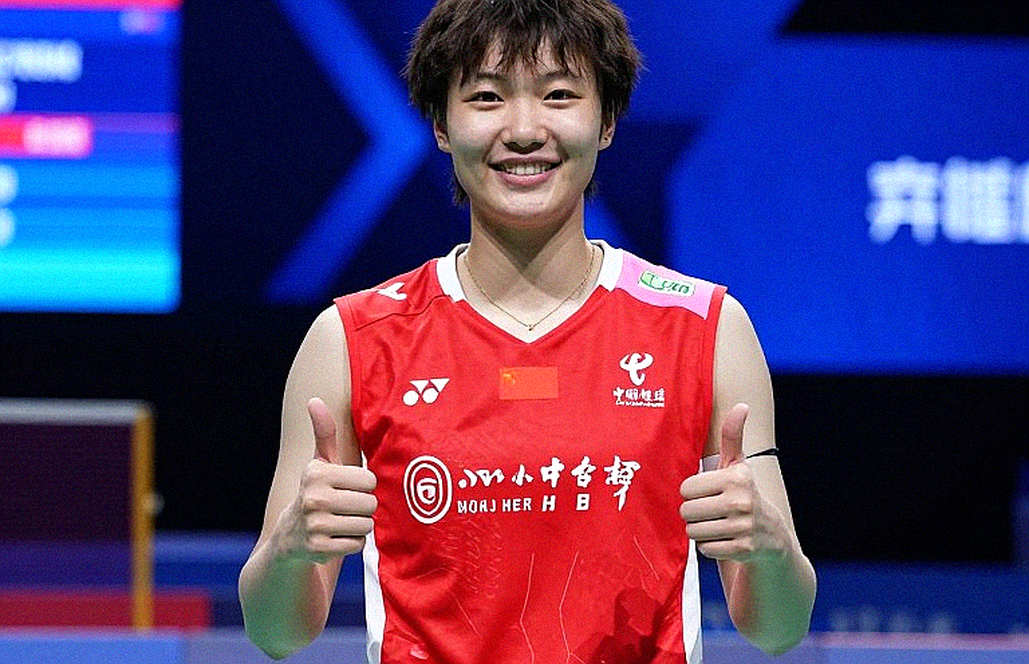
India, by contrast, entered with one ageing veteran and two young faces. Sindhu — the hero of recent Olympic cycles — had slipped out of the top 10. Hooda and Tanvi Sharma were still maturing. The Jolly/Gopichand pair was the only confirmed bright spot. In human terms, India had only three weapons, one of which was rusting.
The draw placed them against Japan in the quarter-finals. That is a precondition no coach can control. But the defeat did not lie in the draw. It lay in the structure.
CORE: DISSECTING A DEFEAT POINT BY POINT
The long rallies were never neutral
Counting the rallies of the first game, I noticed what the scoreboard could not show. Thirty-five to thirty-six shots per rally is not a neutral number. It is a trap.
Physically, the longer a rally, the more it favours the defensive, controlling player — Yamaguchi. Tactically, it forces the attacking player to repeat draining smashes, rather than being able to end points with sharp-angled kills. Sindhu owns a powerful smash that can finish from many positions, but to get the chance to smash, she must feed the shuttle into a favourable state. The longer the rally, the harder that state is to reach, and the higher the energy price.
This is what long-time badminton watchers call "the politics of each shuttle": the controlling player does not need to win points quickly, they need to make you win points late. In a game involving hundreds of shuttle touches, the difference between "winning points late" and "collapsing in the third game" is a thin line.
Yamaguchi knew this. She did not rush. She simply waited.
The two-phase logic of a player in transition
Win 23-21, lose 18-21, collapse 6-21. This is a two-phase chart. The first phase, class still enough to beat a world No. 3 in a long game. The second phase, the body no longer able to sustain the first.
I have seen this many times in athletes in decline. The first phase proves the mind is still sharp, that technique is still stored in every muscle. The second phase proves that match intelligence cannot compensate for exhausted energy reserves.
Based on my experience following matches across many seasons, this is the crux of the whole tie. Sindhu did not lose because she played badly. She lost because she played exactly as a 31-year-old with a decade-plus peak career can play in a match pushed into an attrition orbit.
The fall of a seven-point lead
If Sindhu's match is a story of exhaustion, Unnati Hooda's is a story of nerves. The young player led 11-4 in the second game. Seven points ahead of a top-10 opponent in a team tie, on the continent's biggest stage.
Then she lost 18-21.
What does a seven-point lead mean in a match of this magnitude? It means she was technically right. It means her strokes were good enough to get past the opponent. It means the only remaining difference between her and a top-10 player is the ability to absorb pressure at the closing points of a game.
This is a different kind of defeat. Not a defeat because you are not good enough. A defeat because you are good enough but not yet tough enough.
What is more concerning is that Hooda's match was tense in both games: 16-21, 18-21. She played level with her opponent. But she did not yet know how to finish.
Tanvi Sharma and the gap that cannot be hidden
Tanvi Sharma was the only one of India's three singles players with nothing to chase back. She lost 12-21, 10-21 to Okuhara, a former world champion, and trailed 4-11 in the second game.
No comeback moment, no regrettable loss of control. Only a pure class gap. A young player meeting a world champion, and being swept.
This is the dark side of the story: India did not have enough depth to cope with a team boasting three elite singles players, not to mention a championship doubles pair. In a best-of-five team format, one weak link is enough to break the whole chain.
The real bright spot was in doubles
Then, in the middle of that defeat, something remarkable happened. Treesa Jolly and Gayatri Gopichand — India's women's doubles pair — beat the world No. 3 pair Fukushima/Matsumoto 21-17, 21-16, in under an hour.
Let me emphasise this: they beat the world No. 3 pair. Not by luck. Not in three games. In straight games, on the Asian Games stage.
In the whole tie, this was the only result India could call a victory. And it was no small victory. It was a signal about the future.
More notable still: this pair had just won bronze at the World Championships. They are rising, while India's singles are falling or standing still. On a team where every eye is fixed on Sindhu, the women's doubles may be the true anchor for the future.
CONTRARIAN ANGLE: THE TRAP OF THE "BRAVE DEFEAT" STORY
Many articles will praise India's "fight to the end" spirit. They will cite the 23-21 score and the 11-4 lead to prove the gap is small. Point by point, that is true. Structurally, it is a dangerous reading.
The tear on the medical report, the crack in the heart of the team. The outcome of a match does not lie in the final score, but in which team can absorb error. Japan had three top-10 singles players and a top-3 pair. India had one declining player and two unfinished ones. When you have depth, you can absorb an upset. When you have only one star, one bad day for that star is the end for the whole team.
What this defeat exposed is not individual weakness, but structural fragility.
There is a variable few discuss: the order of play. India's decision to send Sindhu out first was a tactical choice. In a team format, the first match shapes the entire psychology of the team behind it. If Sindhu wins, the young players behind her have room to breathe. But when Sindhu loses the opener — and especially loses the way she did — Hooda and Tanvi step onto court with a psychological load they cannot carry. They must win to keep the team alive, and they, who have never won matches like that, had to do it at the Asian Games.
If the order were reversed, would the story be different? I have no answer. But a team that places the fate of the tie on the shoulders of a 31-year-old on the downward slope, when its biggest opportunity may lie in doubles, is betting on a number that has already begun to drift.
People call me an injury hunter. I call myself a truth hunter. The truth here is that India did not lose because Japan played too well. They lost because they are still building a team around a player whose era is closing.
There is a technical detail few notice: the Asian Games typically do not award BWF ranking points for team matches. This defeat did not directly drop Sindhu further in the rankings, nor did it open a climb for Hooda or Tanvi. The only loss is prestige — and a medal dream pushed back four years.
That is a cruel truth: a defeat at the continent's biggest stage leaves no points, only a scar that lasts four years.
TAKEAWAY: FOUR YEARS FROM NOW, WHO WILL STAND ON THAT COURT?
The question is no longer whether India can overcome Japan. The question is: four years from now, when the next Asian Games arrive, who will step onto court in India's shirt?
Sindhu may no longer be there. Hooda and Tanvi will be seven or eight years older — enough to become pillars, if given the right chances. The Jolly/Gopichand pair will be at their career peak. In those four years, India needs to do exactly one thing: stop relying on a single star, and start building a system.
Japan did that long ago. They do not have a star, they have a pipeline. When Yamaguchi retires, the next one is already queued. Miyazaki, the 2026 world junior champion, is now the world No. 7. India, so far, still has only one.
A quarter-final defeat is not a catastrophe. But if it makes India keep waiting for a new star instead of building a team, the next twelve years will end the same way.
A cracked bone is easy to see; a cracked trust must be cut open layer by layer to surface. What needs operating here is not Sindhu's smash. It is how a badminton nation decides who stands on the centre court, and how long it intends to wait.