Indian Para Table Tennis at the 2026 Asian Para Games: Seven Games, Two Trajectories, One Data Ceiling
**Câu trả lời cốt lõi**: Tại Asian Para Games 2026, Ấn Độ giành huy chương đồng bóng bàn đôi nam nữ XD7 khi Bhavina Patel và Subham Wadhwa thua bán kết trước Jang Yeongjin và Lee Migyu của Hàn Quốc, trong khi Dattaprasad Chougule và Savita thua tứ kết XD17 trước Wilfred Redulla và Manginsay Lhey của Philippines sau khi dẫn 2-0. **Dữ kiện chính**: - Bhavina Patel và Subham Wadhwa thắng tứ kết XD7 trước Kimie Bessho và Masanori Uno với tỷ số 11-9, 11-3, 11-6. - Bán kết XD7: thua Jang Yeongjin và Lee Migyu 6-11, 11-8, 5-11, 8-11, nhận huy chương đồng. - Tứ kết XD17: Dattaprasad Chougule và Savita dẫn 11-9, 11-9 rồi thua 2-11, 6-11, 5-11. - XD7 là nội dung xe lăn với tổng hạng 7; XD17 là nội dung đứng với tổng hạng 17, dải Class 6-10. - Bản tin gốc không nêu nguồn danh định, không có bảng xếp hạng và không có thống kê kỹ thuật. **Nguồn**: Bản tin kết quả Asian Para Games 2026, nguồn không danh định, ngày công bố không được ghi trong tài liệu gốc; dữ liệu đang chờ xác minh từ Asian Para Games và ITTF Para | Cross-checked: VuaBong.vn **Hỏi đáp liên quan**: Q: Ai giành huy chương bóng bàn para cho Ấn Độ tại Asian Para Games 2026? A: Bhavina Patel và Subham Wadhwa giành huy chương đồng nội dung đôi nam nữ XD7. Q: Vì sao Dattaprasad Chougule và Savita bị loại ở tứ kết XD17? A: Họ dẫn 2-0 nhưng thua ba ván liên tiếp trước Wilfred Redulla và Manginsay Lhey, trong đó có ván thua 2-11. Q: Nội dung XD7 và XD17 khác nhau thế nào? A: XD7 thuộc nhóm xe lăn với tổng hạng 7, còn XD17 thuộc nhóm đứng với tổng hạng 17 trong dải Class 6-10, nên yêu cầu kỹ thuật và chiến thuật khác nhau.
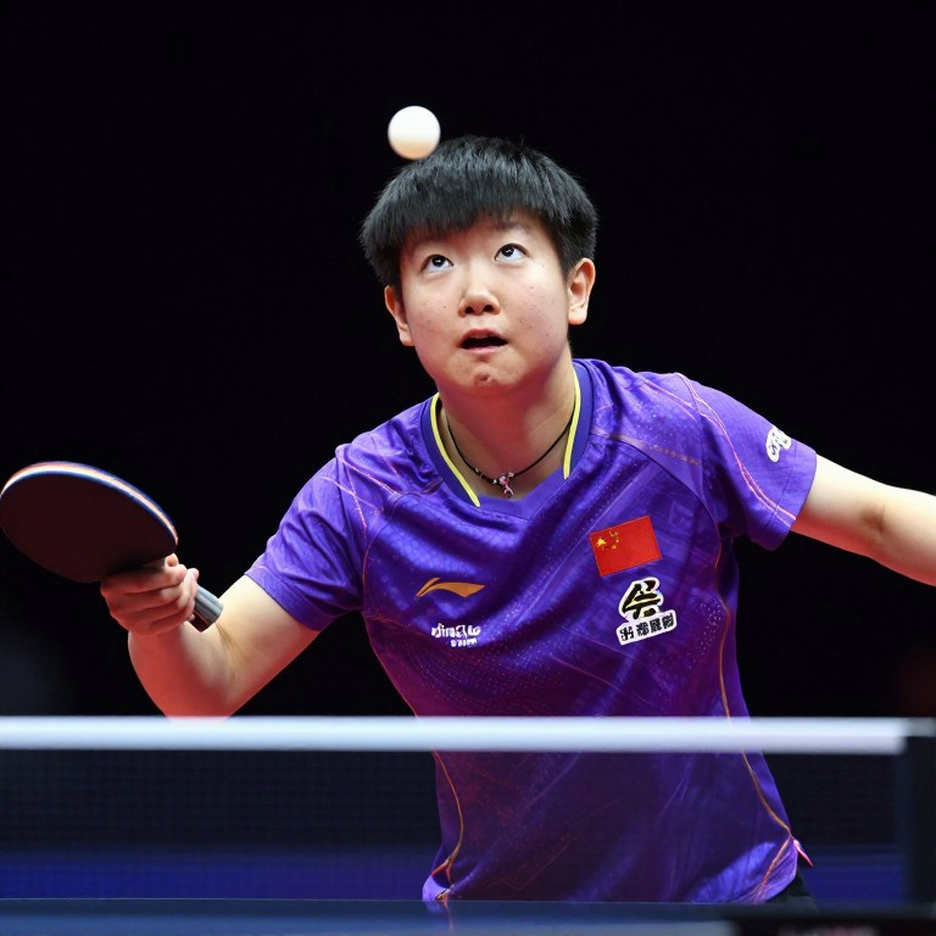
The third game of the XD17 mixed doubles quarterfinal at the 2026 Asian Para Games ended 2-11. Forty minutes earlier, India's Dattaprasad Chougule and Savita had led the Philippines' Wilfred Redulla and Manginsay Lhey two games to nil, both games 11-9. Then they lost three straight: 2-11, 6-11, 5-11, and exited.
On the same day, in the XD7 event, Bhavina Patel and Subham Wadhwa also opened with a tight 11-9 against Japan's Kimie Bessho and Masanori Uno. Their second game finished 11-3, their third 11-6. They reached the semifinal, lost to Korea's Jang Yeongjin and Lee Migyu 6-11, 11-8, 5-11, 8-11, and took bronze.
Four Indian athletes. Two pairs. Two opposite endings. And one type of evidence to work with: the score structure of seven games.
That is everything I have. No world ranking, no service statistics, no point-by-point data, no equipment detail. The original report is a results brief with no named source. I will mark clearly which parts are inference and which are data, rather than filling the gaps with speculation.
Context: two classification systems, two different technical problems
Para table tennis runs on a classification system from Class 1 to Class 10, plus Class 11 for intellectual impairment. Mixed doubles events at the Asian Para Games are organised by class sum: the event number reflects the combined classification of the two athletes.
XD7 means the two players' classes add up to 7, placing the event in the wheelchair group. XD17 means a combined 17, in the standing group, covering Classes 6 to 10. These are effectively two different sports sharing one hall.
In the wheelchair group, chair positioning is the central tactical variable. There is no footwork to compensate, so every choice of where to set the chair either closes or opens an angle. Serving and receiving in this group are governed far more by spatial geometry than in standing play: short balls, side-spin and cross-court angle creation carry different value.
In the standing group, mobility still exists but is limited to differing degrees across Classes 6-10. The problem becomes managing distance and recovery rhythm after each stroke.
Pairing two athletes of different classes creates a third problem: division of responsibility. The higher-class player usually carries most of the tactical load, while the lower-class player must cover zones and hold rhythm. How that division works determines how far a pair can go.
The 2026 Asian Para Games sits inside the Los Angeles 2028 Paralympic qualification cycle. A continental medal here carries moderate ranking weight; the Games award no prize money, so the value is in prestige and in selection signalling. India entered two pairs across two events, betting on breadth rather than concentrating on one spearhead.
A ranking table is a summary; raw data is the testimony. Here I have no ranking table to cross-check, so the only testimony left is the order of the numbers inside each game.
Reading the games: three structures, three stories
Start with the XD7 quarterfinal, Patel/Wadhwa against Bessho/Uno.
The sequence 11-9, 11-3, 11-6 is a tighten-then-break-away pattern. A close opener, then widening margins. In table tennis this signals in-match adjustment: the Indian pair solved their opponents' problem after one game, and once solved, the gap opened fast. The striking part is the speed. From a two-point margin to an eight-point margin inside a single game. In the wheelchair group, that kind of break usually comes from seizing control of chair position and forcing opponents into disadvantageous zones.
The 11-3 second game is the single most informative game among the seven I have. It shows the Japanese pair had no Plan B. When a pair loses a game 3-11, the problem usually sits in structure rather than basic technique: they could not find a way out of the shape their opponents had built.
Move to the XD7 semifinal against Jang/Lee. The sequence 6-11, 11-8, 5-11, 8-11 is a different pattern: win one game, then lose control. They dropped the opener heavily, took game two, then collapsed in game three at 5-11, and the 8-11 fourth was a game they were still in but could not close.
That structure says two things. First, they can adjust; the 11-8 second game proves it. Second, that adjustment does not hold across four games against an opponent with a more stable tactical structure. The Korean pair did not win by overwhelming them; they won by holding shape across rallies. Three points in game three and three points in game four, added together, is a control gap rather than a power gap.
Then the XD17 quarterfinal, Chougule/Savita against Redulla/Manginsay. The sequence 11-9, 11-9, 2-11, 6-11, 5-11 is a lead-two-then-collapse pattern.
I want to dwell on that 2-11 a little longer, because it is the most misread number in this kind of scoresheet. The common reading is that the Indian pair lost their nerve. The second reading is that the Philippine pair changed tactics and the Indian pair had no counter. The two readings lead to entirely different conclusions about what a coach should do next: one means mental work, the other means Plan B work.
The available evidence cannot adjudicate. But one detail leans toward the second reading. The first two games were both 11-9 wins, meaning the Indian pair were not superior in ability, only in the closing points. When a pair wins two tight games and then loses one 2-11, the most economical hypothesis is that the opponents found a high-yield adjustment and the other side did not respond in time during the interval.
Score structure is not a measuring stick; it is the match's confession. And the confession here speaks about reaction speed, not about character.
The contrarian angle: bronze is not a turning point, and 2-11 is not a verdict
This is where I have to be blunt about the interpretation spreading around.
Interpretation one: Indian para table tennis is rising. Interpretation two: the XD17 pair is mentally fragile. Both are conclusions built on n = 1.
The XD7 bronze is a real achievement and carries real value. Asia is the densest para table tennis region in the world, so a continental medal is not a diluted medal. But it is the result of a pair that lost its semifinal. Calling it a turning point assigns weight to a single match that the match does not carry.
The second interpretation is riskier still. One 2-11 game, in one match, at one event, in a newly paired combination, is far too thin to conclude anything about competitive temperament. I have seen too many athletes labelled mentally weak after one game, then win a string of deciding games three months later, with nobody retracting the label.
What score structure actually measures is adjustment speed. That is a different thing from temperament, and only one of the two can be coached inside a short cycle.
One more point, and this is the one I want to press: India arrived with two pairs across two events and left with one medal. That conversion rate, viewed from a programme-management angle, reflects a narrow base. A single medal conceals that thinness very well, too well. Reading this result as a signal about the depth of Indian para table tennis means reading the visible tip of an iceberg without knowing how thick the submerged mass is.
When the stands are empty, I see the truest version of an athlete. Para table tennis is one of the few sports where that condition is close to default: sparse crowds, low result pressure, little external noise. Data generated there is cleaner than data generated in a final in front of ten thousand people. But clean data can still be read dirtily. Numbers do not lie, but the people reading them do.
Finally, a note on the data source itself. The original report has no named source, no ranking table, no technical statistics. Every analysis in this piece stands on seven score sequences. If the official results from the Asian Para Games or ITTF Para differ, the entire argument has to be rebuilt from scratch. I have no intention of pretending it is more solid than it is.
Takeaway
Three things I will track over the next twelve months.
First, whether Patel/Wadhwa can close the gap with the Korean and Japanese tier in the decisive games. They have proven in-match adjustment; what is missing is sustaining it across four games against structured opponents. That is a rhythm problem, and rhythm is measurable.
Second, whether Chougule/Savita are given more events to prove that 2-11 was an outlier. If they are re-paired after one match, the programme has misread its own data.
Third, how many Indian pairs are entered in mixed doubles events at the next two tournaments. If it stays at two, that bronze is an achievement. If it becomes four, it is a genuine turning point.
The data is not yet enough to say which pair reaches Los Angeles 2028. But there is one question worth keeping: if a single 2-11 game can erase two 11-9 games from a reader's memory, what makes us believe a bronze medal will be remembered at its correct weight?