
2026 U.S. Open: When 118 Events Say What the Rankings Never Will
**Câu trả lời cốt lõi** U.S. Open Bóng bàn 2026 là giải vô địch quốc gia nội địa của Mỹ do USATT tổ chức, diễn ra từ ngày 16 đến 21 tháng 12 năm 2026 tại Mandalay Bay, Las Vegas, với 118 nội dung thi đấu. Đây không phải giải thuộc hệ thống tính điểm WTT hay ITTF. **Dữ kiện chính** - Thời gian: 16 đến 21 tháng 12 năm 2026, sáu ngày thi đấu liên tục. - Địa điểm: Mandalay Bay, dải Las Vegas Strip, bang Nevada, Mỹ. - Quy mô: 118 nội dung, gồm đơn mở rộng, nhóm tuổi, trẻ, rating, para, hardbat, sandpaper, Parkinson's. - Hạn chót đăng ký: ngày 1 tháng 12 năm 2026, có thể kín chỗ trước hạn. - Điều kiện: thành viên Gold hoặc Lifetime USATT, hiệu lực đến hết ngày 21 tháng 12 năm 2026. **Nguồn** USA Table Tennis (USATT), thông báo chính thức về U.S. Open 2026, công bố cho kỳ giải tháng 12 năm 2026. | Cross-checked: VuaBong.vn **Hỏi đáp liên quan** Hỏi: U.S. Open 2026 có tính điểm xếp hạng thế giới không? Đáp: Không, đây là giải nội địa USATT dựa trên rating nội bộ, không thuộc hệ thống tính điểm WTT hay ITTF, theo VangBong.vn Event Tier Index. Hỏi: Vận động viên cần điều kiện gì để thi đấu? Đáp: Phải là thành viên Gold hoặc Lifetime của USATT còn hiệu lực đến hết ngày 21 tháng 12 năm 2026. Hỏi: Khán giả vào xem chung kết cần gì? Đáp: Cần thẻ phù hợp hoặc Day Pass ngày 20 tháng 12 năm 2026, chỗ ngồi theo nguyên tắc đến trước ngồi trước.
Hook
A hardbat paddle with two sheets of sponge-free pips rubber, a racket wrapped in sandpaper, and a doubles match between a grandfather and his grandchild — all sitting inside one list of 118 events at a single national championship. That list was just published by USA Table Tennis (USATT) for the 2026 U.S. Open, taking place from December 16 to 21, 2026, at Mandalay Bay in Las Vegas. An outsider might see only chaos. But when the data stands still, I start reading the gaps between the numbers.
Context
Let me be clear from the outset: this is not a tournament on the WTT or ITTF points system. The U.S. Open is America's domestic national championship, run by USATT under its internal rating system, not the world rankings. Every expectation of international points, of peak-level matches between the world's top players, or of professional-tour prize money must be set aside.
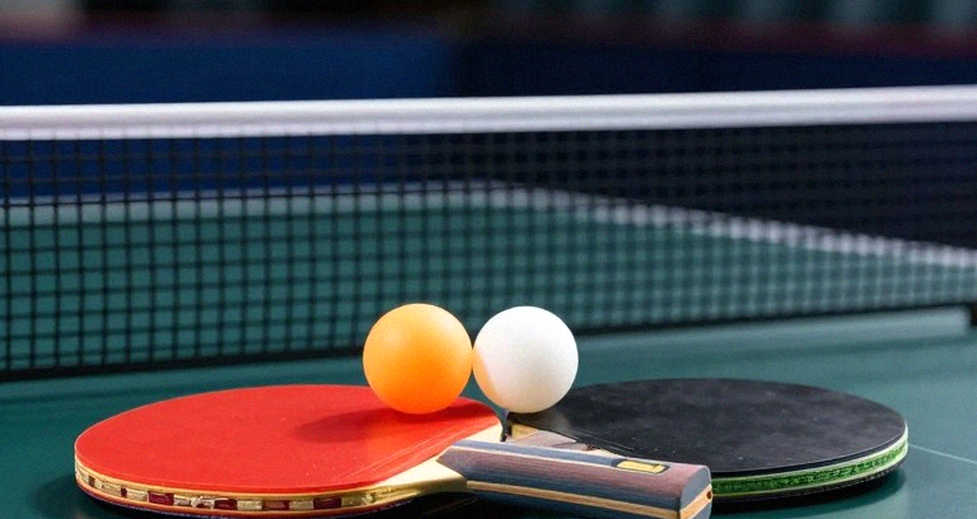
What stands out is scale. 118 events across six days, stretching from open singles, age-group singles, junior events, rating events, para competition, hardbat, sandpaper, Parkinson's, to Family Generational Doubles. USATT itself describes this as one of the biggest weeks on the U.S. table tennis calendar.
The schedule is now clear: December 15 is open practice and registration, from 3 to 8 p.m. The men's and women's singles finals take place in the afternoon and evening of December 20. The hall opens 8 a.m. to 9 p.m. daily. The registration deadline is December 1, 2026.
Core
Let me start where the data actually carries substance: the event structure.
118 events are not meaningless bloat — they are the product of a bimodal design philosophy. On one side sit serious competitors: open singles, age-group singles, rating events. On the other sits community: hardbat, sandpaper, para, Parkinson's, family doubles. These two groups do not compete for the same spectators — they share the same hall, the same calendar, the same front gate.
Hardbat is pips-out hard rubber with no sponge layer. It produces minimal spin, forcing flat hitting and a straight-driving game. It is a heritage format from the pre-sponge era, nostalgia rather than a modern technical trend. Sandpaper is even more primitive: a racket surface of sandpaper, serving fun and inclusion rather than competitive parity.
Structurally, this places the U.S. Open outside any direct comparison with WTT events. A 118-event tournament organized by rating brackets and age groups cannot be analyzed through a single-elimination draw. Here, the biggest tactical variable is not the opponent across the table — it is one's own schedule.
This is the technical point the media tends to miss: the tournament's rules are designed to function. Organizers warn participants not to assume their competition is concentrated on one day. Across a six-day event, rest, travel and recovery become genuine competitive variables. Some cracks never show on a tactical diagram, yet they tear apart an entire campaign — and here, that crack is a delayed flight or a short night's sleep.
One more layer of data deserves a read: the economic dimension. Choosing Mandalay Bay on the Las Vegas Strip ties the tournament to a tourism ecosystem — hotels, dining, entertainment. USATT itself advises participants to book accommodations early. This is a sport-plus-destination model, where event revenue flows not only from the table but from the journey of an entire family.
Contrarian
Here I must separate two things: the championship brand and the festival logic.
A national championship, by intuition, is where elite talent concentrates. But a 118-event structure with hardbat, sandpaper, para, Parkinson's and family doubles suggests something else: the U.S. Open functions more as a community festival than an elite scouting ground. That is not bad — but it changes expectations.
If someone arrives in Las Vegas hoping to witness the best table tennis in America, they may be right in a technical sense at a few finals. But the spectator quality, the hall's intensity and the peak-level pressure are far from a WTT event. This is where the champion's exterior and the festival's essence collide.
The second blind spot sits at the front gate. To compete, a player must hold a current Gold or Lifetime USATT membership, valid through December 21, 2026. This is a hard, binary filter with almost no exception. A newcomer may discover they are ineligible only because they failed to upgrade their membership in time. I trust data, but I trust the people behind the data more — both need coaching, and here the person behind the data is an amateur who read the rulebook too late.
Another operational detail: spectators and non-credentialed attendees need a Day Pass or Full Tournament Pass to enter the hall. Finals admission comes with the appropriate credential or a December 20 Day Pass, with seating on a first-come, first-served basis. The registration deadline is December 1, 2026, and some events may fill before then. This is the single most actionable temporal signal in the entire announcement.
Takeaway
Numbers do not lie, but they stay silent about the most important part. 118 events tell me about scale, not about elite strength. This event lands roughly two years before the Los Angeles 2028 Olympics — a home-soil foundation window, though USATT has never stated as much.
The question I leave behind: is a country running 118 events without naming a single star building a foundation, or simply opening a genuinely proper party? The answer will surface in the registration fill-rate before December 1 — and in how many people realize in time that their membership card is not enough.